RCGS HEROIC AGE EXPEDITION: SHACKLETON’S QUEST AND SCOTT’S TERRA NOVA STILL CALL FROM THE DEEP
RCGS 'HEROIC AGE EXPEDITION' TO THE WRECKS OF QUEST AND TERRA NOVA
On 2nd July, the Royal Canadian Geographical Society's Heroic Age Expedition set off in the research ship Atlantis with Shackleton an Official Partner.
The mission: to descend to the bed of the Labrador Sea and perform the first ever visual surveys of two of the most evocative shipwrecks in the history of polar exploration. First Quest, Sir Ernest Shackleton's final vessel, then Terra Nova, the ship that carried Captain Robert Falcon Scott to his last, fateful Antarctic expedition.
By July 14th, the mission was comprehensively accomplished.

Photography by Martin Hartley
Sir Ernest Shackleton died on Jan 5th 1922 while anchored off South Georgia. His death at 47 marked the end of the Heroic Age of Antarctic exploration, distinguished by his extraordinary exploits alongside fellow titans Amundsen and Scott.
The latest initiative from the Royal Canadian Geographical Society shows that the spirit that fuelled the Heroic Age - boundless personal courage, coupled with insatiable curiosity about our world - is alive, well and still pushing the boundaries of human endeavour and knowledge.

Shackleton's Quest was on the brink of a final Antarctic expedition when he breathed his last, while Scott's Terra Nova took his team to the infamous 1910 South Pole expedition that turned out to be his epitaph.

By extraordinary coincidence, the wrecks of both ships now lie less than a two-day sail from each other on the same sea bed, off Labrador and Greenland respectively.

In 2024, the Shackleton company lent its support to the RCGS-led expedition to locate the wreck of Quest, with Shackleton co-founder and RCGS fellow Martin Brooks among the crew when the ship was found.

We now knew with scientific certainty exactly where on the seabed she lay. But scientific certainty without ocular proof still feels theoretical - and, ironically, somewhat dry. Expedition co-chief scientist David Mearns knew exactly what would turn those hard-won map co-ordinates into a vivid, engaging testament.
"What I really want to see is the name Quest," he said. "We want the photographic proof you can only get with cameras."
The next chapter beckoned.
RCGS 'HEROIC AGE EXPEDITION' TO THE WRECKS OF QUEST AND TERRA NOVA, JULY 2026
First to descend the 390m to Quest was the remote submersible Falcon, equipped with lasers, stereo cameras and software, allowing RGCS marine archaeologists to undertake a comprehensive visual survey.

This is then assembled as a 3-D 'digital twin', allowing marine archaeologists to uncover all the secrets of both wrecks without the cost, disturbance and danger of an on-site descent. Biologists have already documented the flourishing ecosystems around the wrecks, while noting the human impact of the discarded fishing nets that covered them.

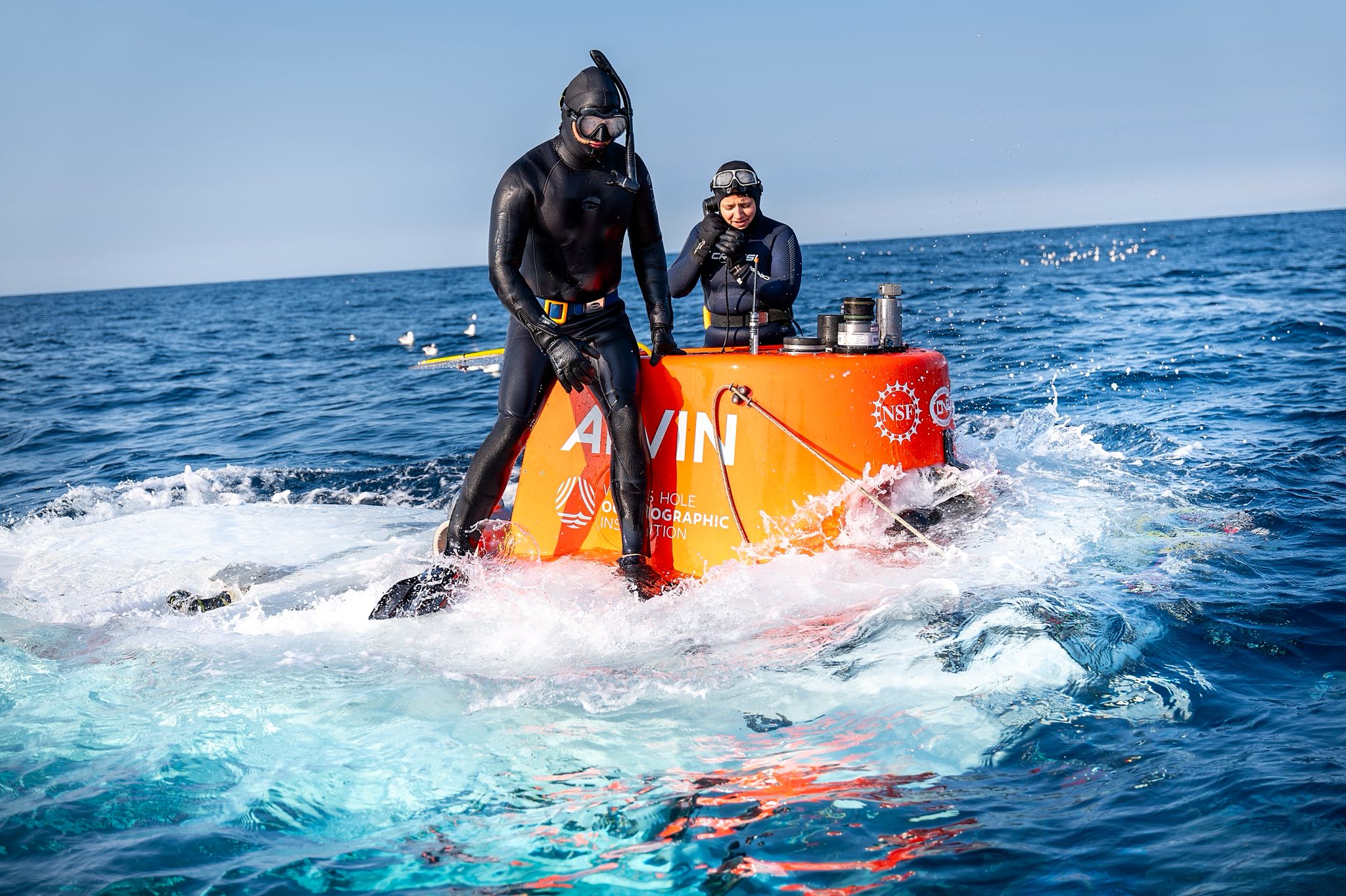
Next to visit the wreck was the occupied submersible Alvin with three key team members on board. Expedition lead and RCGS CEO John Geiger describes the impact of coming face-to-face with the wreck of Quest as "one of the high points of my life."
These emotional moments remind us of the expedition's deeper purpose. Pioneering descents such as this highlight that, with less than 10% yet known to us, the greatest unexplored frontier is still our own ocean. Thousands of species are yet to be discovered in the unexplored depths, with untold secrets to reveal. We know more about their tidal accomplice the Moon, a quarter of a million miles away.
WHY THE HEROIC AGE STILL RESONATES
Before satellites, GPS, competent aircraft and instant communication systems, explorers operated beyond the reach of rescue. Leadership was measured by initiative, resilience and, in Shackleton's case, the ability to bring people home.

The salvation of every member of the Endurance expedition has become one of history's defining studies in leadership under extreme adversity. Scott's final journey also became an instant legend, and still provokes debate about ambition, courage and sacrifice.
The RCGS expedition helps keep their memories alive. The more vivid, the less mythical. Wrecks report as they present, with no editing. Yet the witness they bear, though remarkably well preserved, is constantly deteriorating.
So while named after the Heroic Age, the expedition was conceived in a spirit of preservation and inspiration rather than nostalgia. The ships remain where history left them, while the vivid, visual reminders of courage and sacrifice will continue to inspire future explorers to push ever deeper.
By Tim Lawler