
UPGRADE YOUR SUMMER
5 Epic Last-Minute Adventures You Can Do This Summer
Summer’s here but blink and you’ll miss it. Some love a ‘fly and a flop’ all-inclusive but at Shackleton HQ, summer is long-day season when we can start earlier, explore further and dig deeper to push performance while being fully immersed in the wild.
This summer, our designer Paul will cycle 800km across Iceland, content boss Amelia will climb Mt Lenin in Tajikistan, co-founder Ian will summit Mont Blanc, CEO Martin will sail-trek the Croatian coast, while Polar guide Louis scales Mt Kenya, production lead Alice tackles Sasso Lungo in the Dolomites and PR guru Matt mountain bikes the French Alps. So, avoid the FOMO by embarking on one of the following five adventures to challenge your body and your mind.
After all, longer light equals greater goals.
LONGER LIGHT // GREATER GOALS
SHOP THE SUMMER COLLECTION
1. Summit Mont Blanc
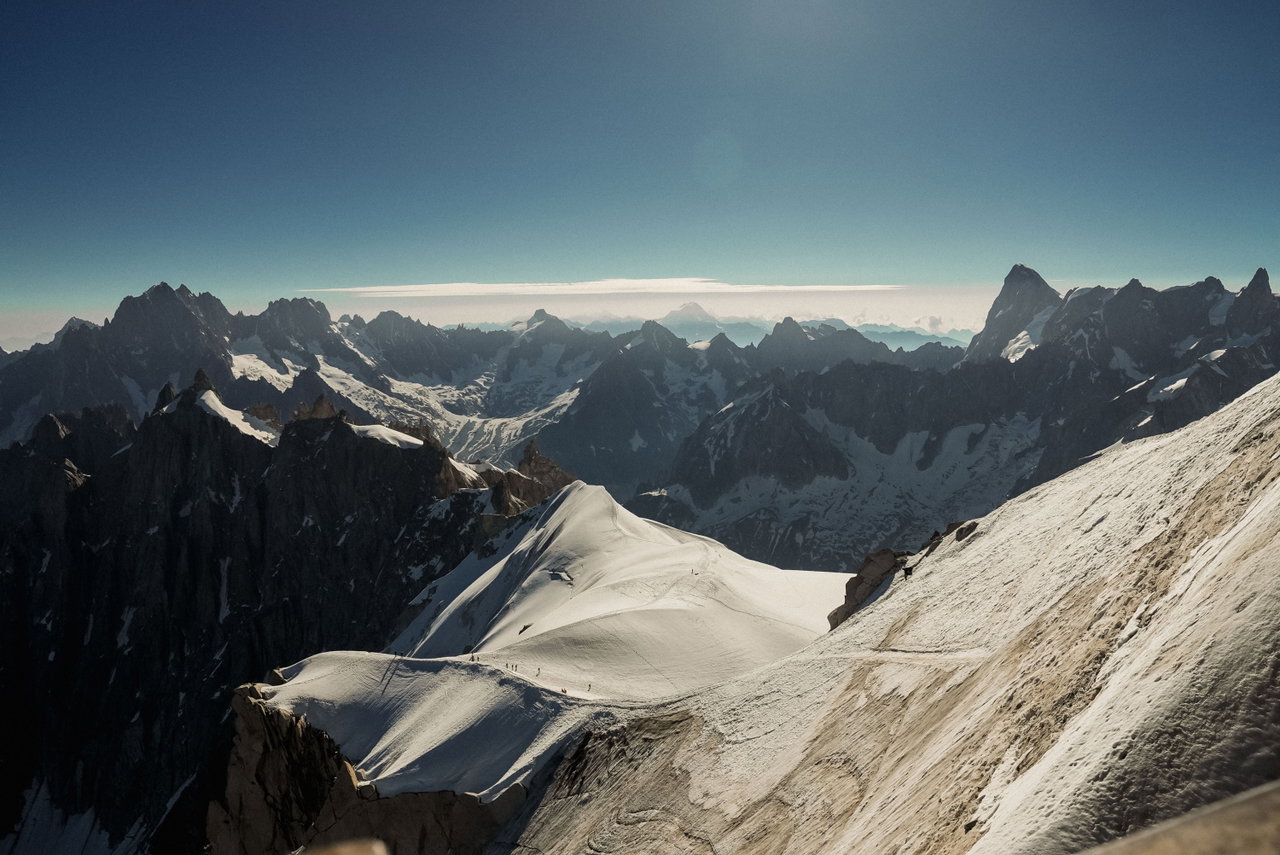
Summer is peak climbing season on Mont Blanc where intrepid adventurers quest to reach the roof of the Alps, the iconic 4,808m White Mountain that dominates so many high-altitude views in France, Italy and Switzerland. For many it’s a lifetime goal and reaching the summit is a real test of fitness, courage, skill and resolve. Speed climber and runner Kilian Jornet may have completed the ascent and descent in a mind-boggling 4 hours 57 minutes, but most mortals take 8-10 hours of gruelling effort in air that thins the higher you go.
Fortunately, Shackleton Challenges offers a full 5-day programme based out of our Chamonix HQ, which is tuned to assess, develop and hone your climbing skills, mountain fitness and mental preparedness, with long treks at altitude and overnight stays. The first of these is near the 3542m acclimatisation peak of Aiguille du Tour, then at the 3167m Tête Rousse hut.
This is all in preparation for a morning ascent of Mont Blanc. Starting early and donning crampons to cross the Grand Couloir, the route then takes you up the Dôme du Gôuter before clapping eyes on the summit. Then it’s up to the emergency shelter of the Vallot hut at 4362m before scaling a series of stunning snow aretes that wind across les Bosses and la Tournette to witness one of the rarest and most satisfying views in Europe atop the whaleback summit at 4810m.
How To Get There
Fly to Geneva and then take a 90-minute transfer by road, or choose to travel by rail all the way from London St Pancras to Geneva or Annecy via Paris, and then take a local bus or train to Chamonix (10-11 hours from London).
What To Pack
Shackleton’s Erebus Active Insulation Jacket
is breathable and designed to manage your temperature all the way from the mountain hut to the summit, while keeping high-altitude winds off your chest.
2. Ride the South Downs Way
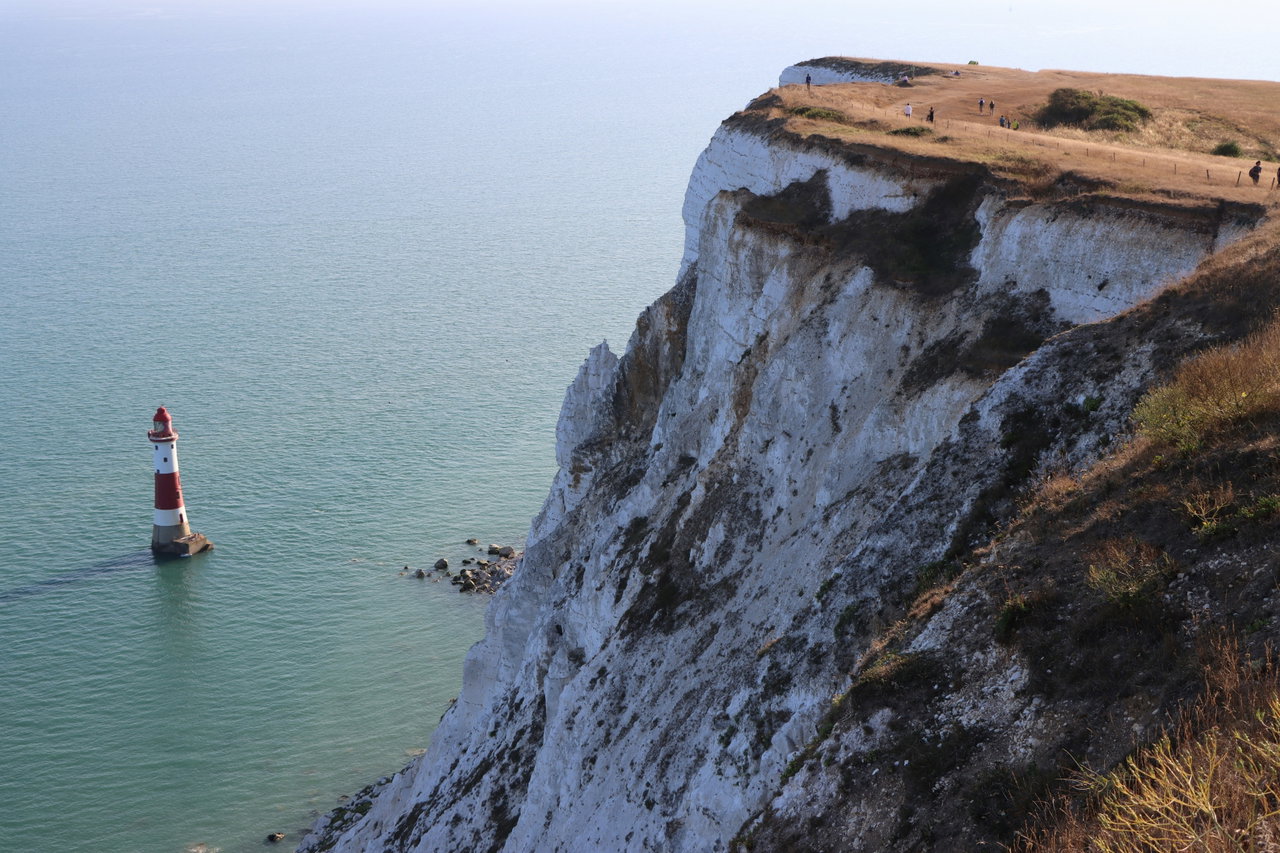
Maximise summer’s longer days and warm sunshine by tackling the 100-mile South Downs Way on two wheels. This route stretches all the way from Winchester, the Saxon capital of England, to the white cliffs of Eastbourne on the Sussex Coast. The newly minted South Downs National Park is home to stunning chalk escarpments, rolling hills, ancient woodland, and sea cliffs through which the off-road South Downs way cuts a white ribbon. The Park teems with wildlife from sand lizards to butterflies and from otters to glow-worms.
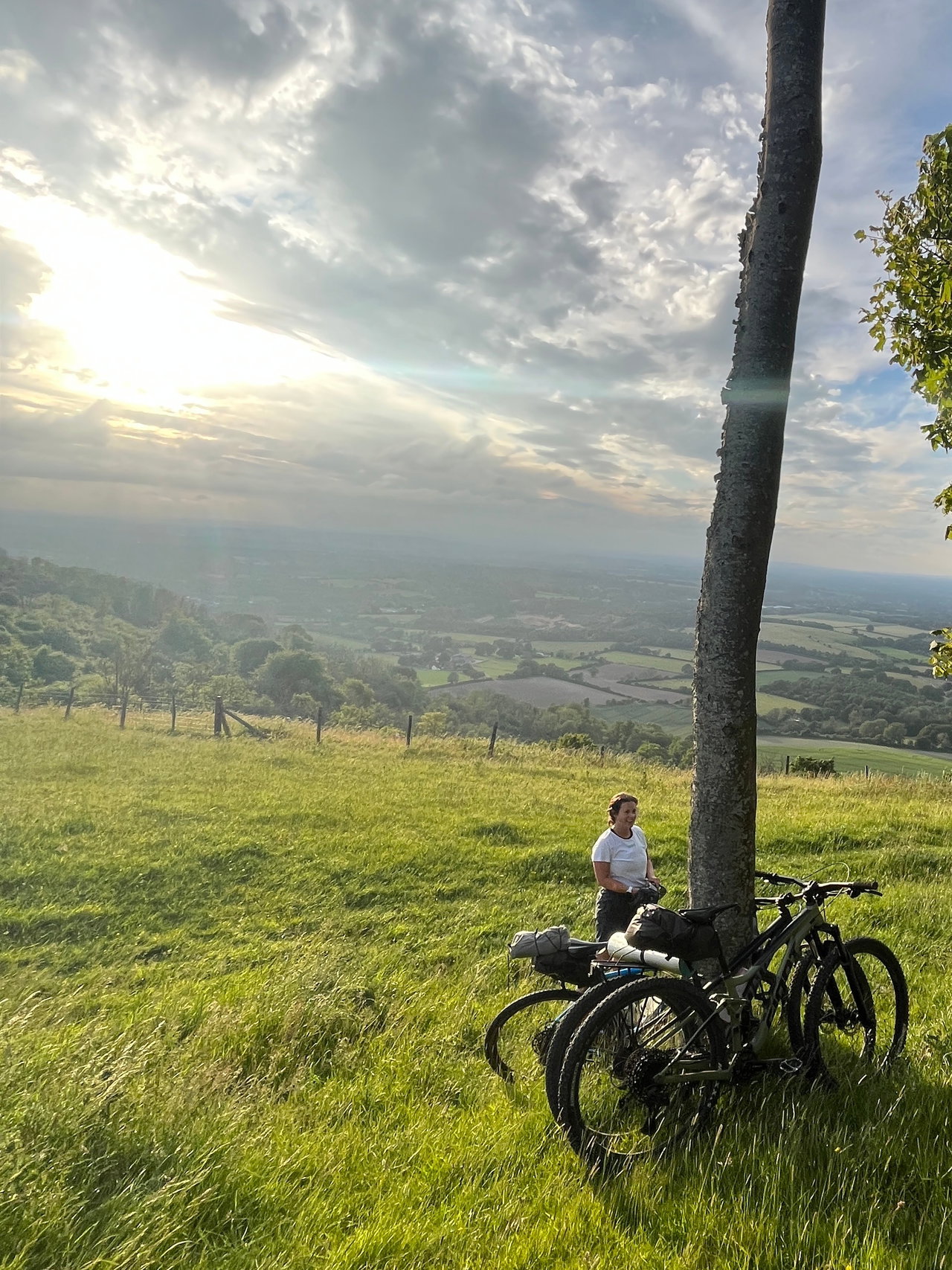
Conditions under your tyres can be fast in the summer and Ian Leith holds an impressive record of 7 hours 3 minutes for the 100-mile route and a leg-torching 15 hours and 35 minutes for the double, there and back. But with 3,800 metres (12,600ft) of elevation and a ride profile that’s never flat, most people take things easier and try bikepacking or staying at B&Bs along the route, and you could still finish it within a long weekend. You’ll want to pick a mountain bike or comfortable gravel bike for this adventure, and there are both bike hire and bike repair shops marked on the official route map.
How To Get There
The classic route is from Winchester to Eastbourne, both of which have train stations accessible by cyclists. The South Downs National Park Website has a comprehensive downloadable guide to mountain biking the South Downs Way, with a detailed map.
Where To Stay
As well as numerous inns and B&Bs there are many campsites a mile or two from the South Downs way, as well as two on the Way itself; Housedean Campsite and Saddlescombe Farm Campsite. The aforementioned guide has a mileage chart that can help you to plan your overnight stops.
What To Pack
For 50 UV protection and all-day comfort on the move, pack Shackleton’s
3. Hike Slovenia’s Breathtaking Kamni-Savinja Alps
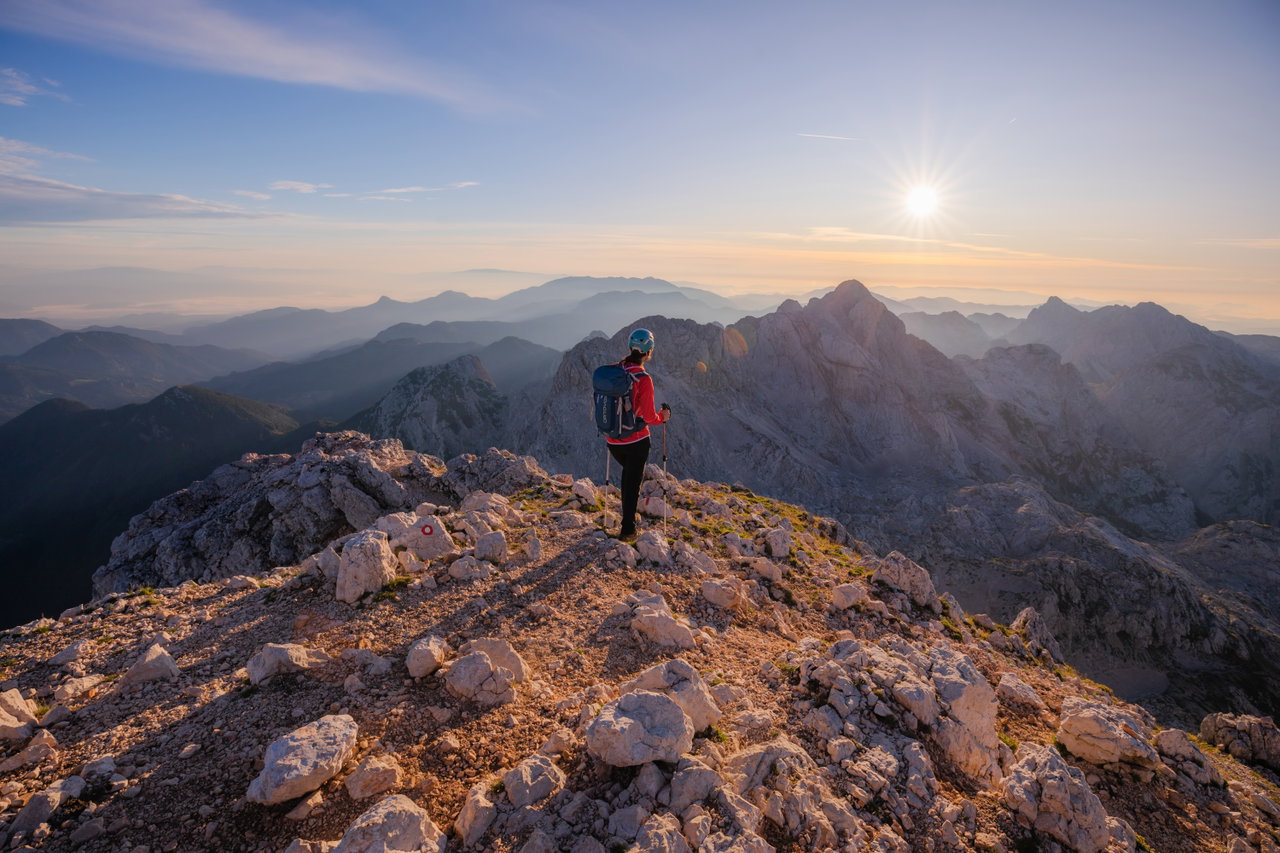
Catch a cheap flight to Ljubljana, the capital of Slovenia, to hike in one of the most breathtaking but least-known mountain ranges in Europe, the Kamni-Savinja Alps. This alpine playground has 28 distinct peaks over 2,000m, including the king of the bunch, Grintovec, that scrapes the sky at 2,558m (8,392ft), the base of which is easily reachable by hire car from Ljubljana.
While it’s a challenging climb only suitable for experienced mountaineers, you can hike and climb to the 2,558m summit of Grintovec via Kamniška Bistrica. At 12km long with 1,600m of elevation gain, the standard route via the Kokra saddle and the Črnuška mountain hut, with a final section of scrambling on loose rock, isn’t for the faint hearted, in-experienced or ill-equipped but the view from the top is epic, encompassing the entire Kamnik-Savinja chain, the Ljubljana basin and even the Austrian Alps to the north.
The Črunška mountain hut makes a great basecamp or resting point. Of course, less demanding hikes are available in the area and Kamniška Bistrica remains a good jumping off point. You can even take a cable car to Krvavec and then hike across the high plateau to Črunška mountain hut.
How To Get There
Fly to Ljubljana then hire a car or a guide to drive to the Kamniška Bistrica valley.
Where To Stay
Base yourself in one of Ljubljana’s hotels and use the Črnuška mountain hut as a basecamp or to overnight in the mountains.
What to Pack
Rain clouds can gather unexpectedly at altitude so take Shackleton’s packable Markham Vapour White Hardshell Jacket for protection against summer downpours.
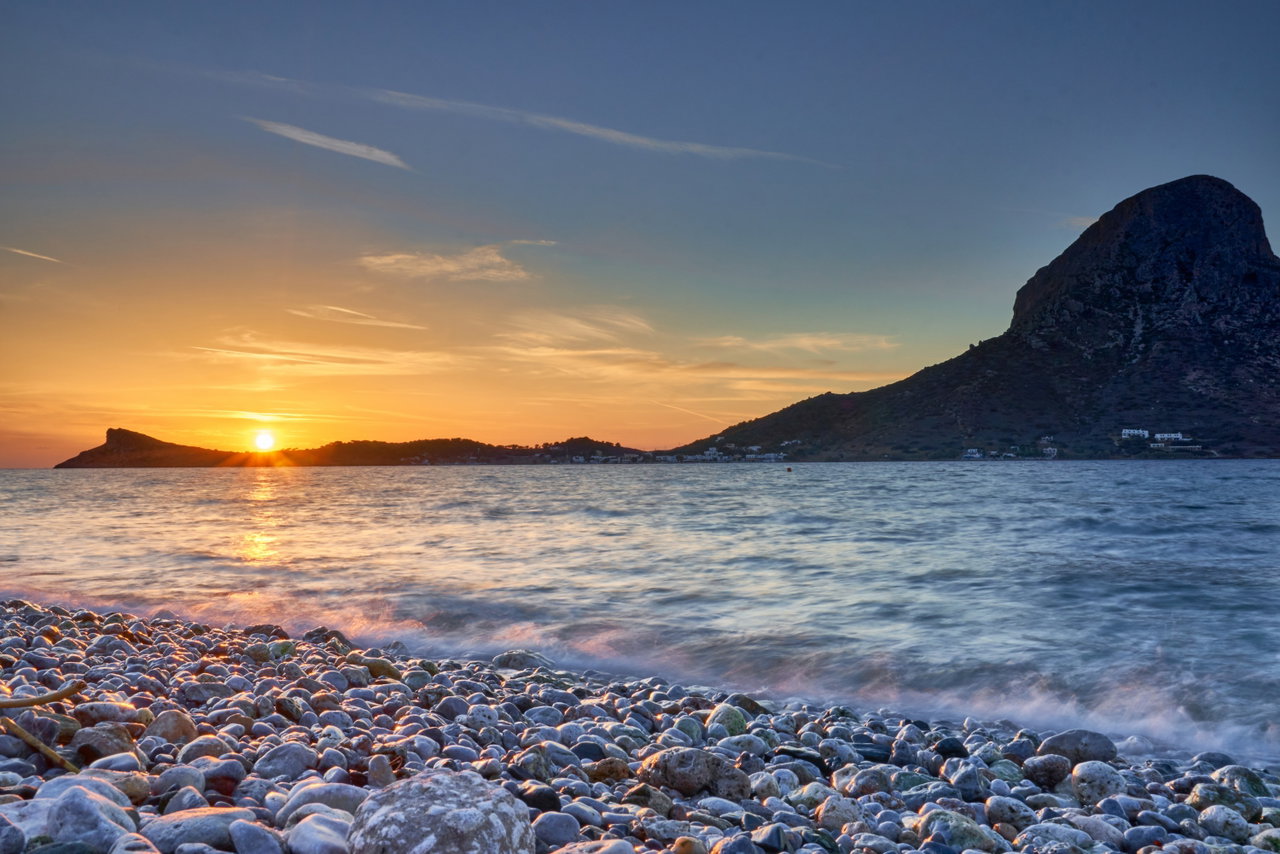
4. Deep Water Solo Sea Cliffs On A Greek Island
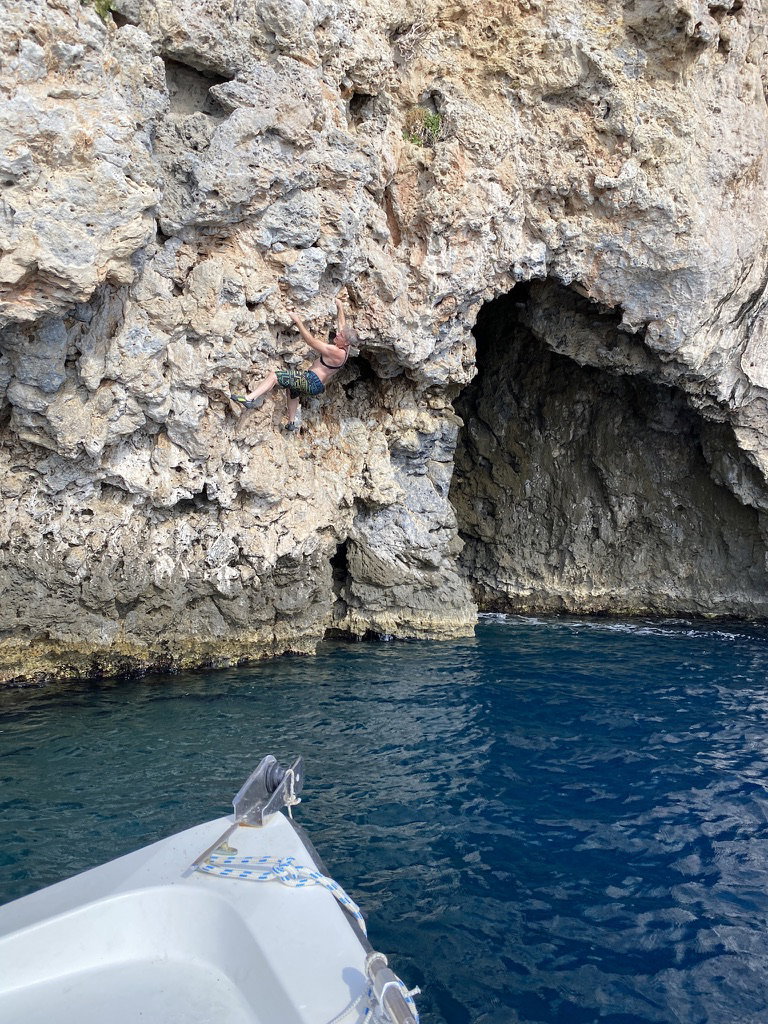
Turn your indoor climbing wall skills into outdoor heroics by channeling your inner Alex Honnold and visiting the sea cliffs of Kalymnos in the Greek Dodecanese to climb over deep water without ropes! Kalymnos is a world-renowned paradise of sport climbing on limestone caves and up orange walls dotted with tufas. But in the summer months the temperatures make combining swimming with climbing an attractive proposition. To deep water solo effectively, and provide some emergency support, using a boat to reach the venue is recommended.
The fishing village of Vathy on the east coast of Kalymnos is at the end of a fjord that cuts deeply into the coastline and has some steep-sided sections of limestone, including long traverses and a well-documented deep water solo crag with graded routes from 5+ to 7b. You can hire a kayak or negotiate with one of Vathy’s restaurants to take you there in a boat (many climbers dine back in Vathy at the end of the day).
This adrenaline sport, like most rock climbing, is strictly at your own risk and appropriate caution must be taken to make sure there’s enough water below you to not risk hitting any rocks or the bottom of the sea. Some guide books and websites detail individual deep water solo routes and grade their risk, but the tides and the sea state can alter these, so always use caution, check the conditions and never deep water solo alone.
How To Get There
Book a cheap flight to Kos International Airport then take a 15-minute taxi or bus to Mastichari Port. From there, catch a fast ferry for a 30-45 minute crossing directly to Kalymnos’s Pothia Port.
What To Pack
The Shackleton Hawkes Active Insulation Gilet is designed to be fully climbing-harness-compatible and provides breathable warmth while drying off from a dip, or at the start of the day.
5. SwimRun The Stockholm Archipelago
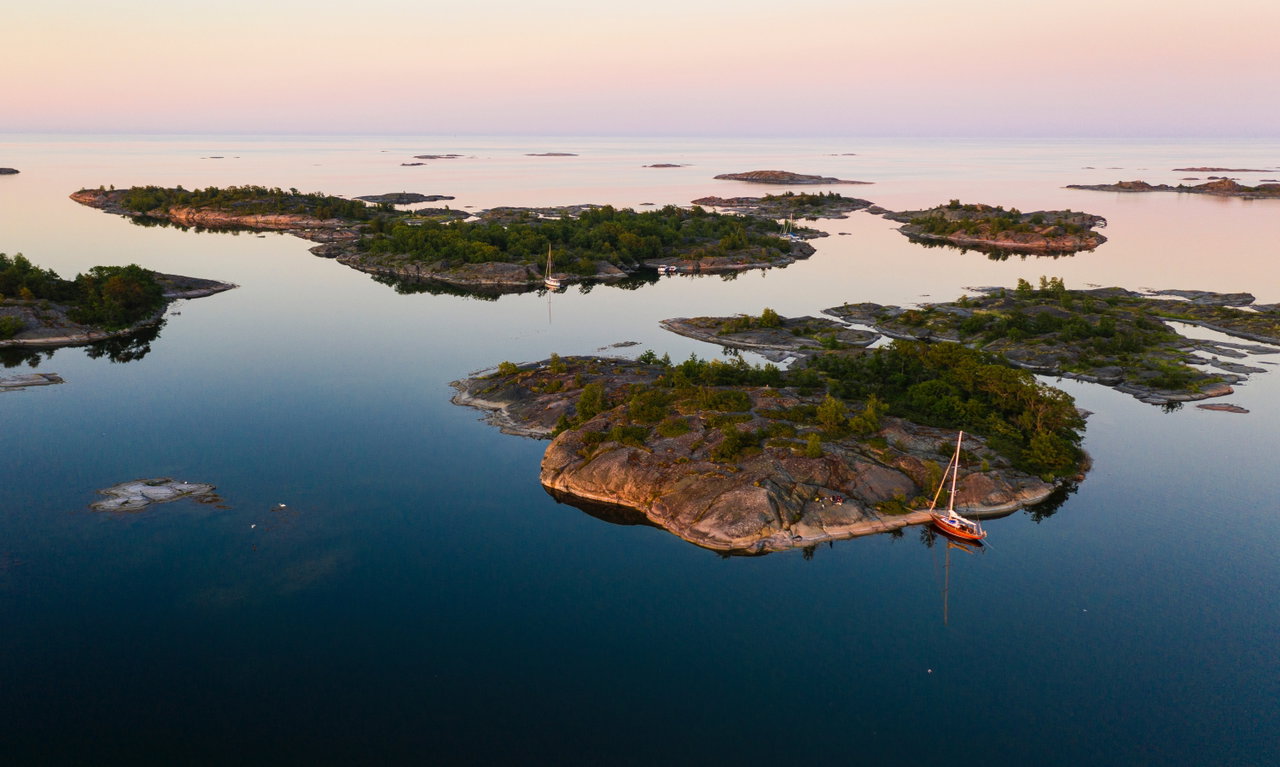
Home to the famous ÖtillÖ ultra race (held in early September), the Stockholm Archipelago is the birthplace of swimrun, which combines island hopping with adventure swimming and running (clad in short wetsuits). It’s no surprise that swimrun took off here, with the combination of the Swedish love for the outdoors with the Stockholm Archipelago itself that has 30,000 coastal islands with clear waters and traditional Swedish stugor cabins that make it ideal for a long-weekend, active getaway.
There’s even a swimrun training ground in the Stockholm Swimrun Centre at Hellasgården, close to central Stockholm itself with graded swimrun courses from the Green track of 900m run and 30m swim, to the advanced Red Track of 3km run and 1km swim. In the Stockholm Archipelago itself, islands such as Utö and Sandhamn feature granite cliffs and open-water sea swims, and Waxholmsbolaget ferries provide transit to the islands, departing from hubs like Årsta Brygga for Utö. Remember to pack a tow float bag to help you be seen by other water users and provide an opportunity to rest in open water.
How To Get There
Fly to Stockholm and travel east from the city centre to the Stockholm Archipelago on the coast where ferries transit to individual islands.
Where To Stay
Stockholm Archipelago has an abundance of accommodation from luxury spas and villas to air B&Bs although some islands are only accessible by pre-booked ferries.
What To Pack?
Your core temperature can drop significantly after a prolonged dip in the cold-water sea at this latitude so pack a lightweight warm layer to wear afterwards and keep the shivers at bay, such as Shackleton’s Hercules Down Jacket.
.
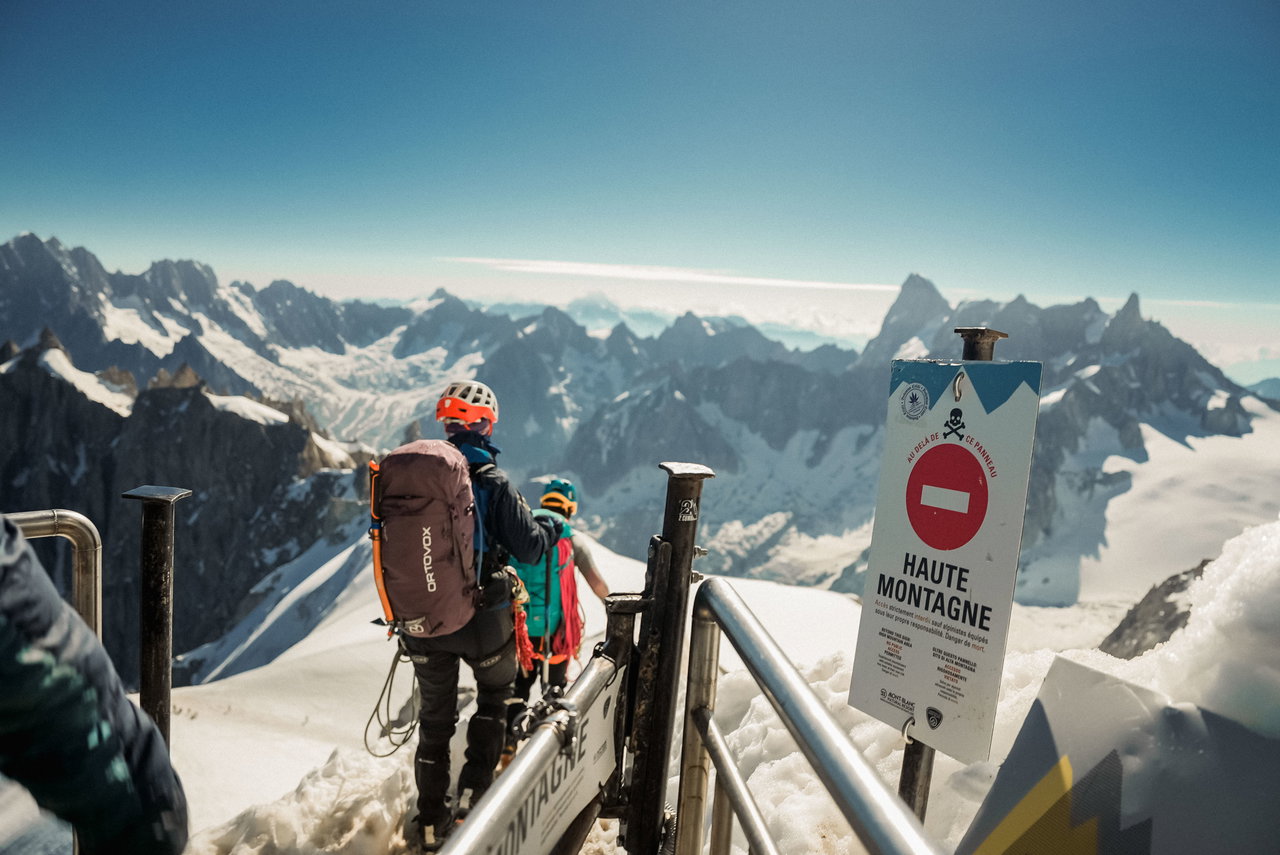
READY TO TAKE ON MONT BLANC?
Inspired to experience Mont Blanc for yourself? While this year's expedition has now concluded, you can start planning your own ascent with Shackleton Challenges in 2027. Discover what's involved and take the first step towards standing on the highest peak in Western Europe.
