POSTCARDS FROM THE EXTREMES
ARCTIC WINTER CHALLENGE RECCE
When we design a new Shackleton Challenge, our expert guiding team always researches everything in person. Read all about our full recce in northern Scandinavia.
Explore Shackleton Challenges
POSTCARD FROM THE FROZEN NORTH
When it’s -30C outside, waking up to -3C feels like luxury.
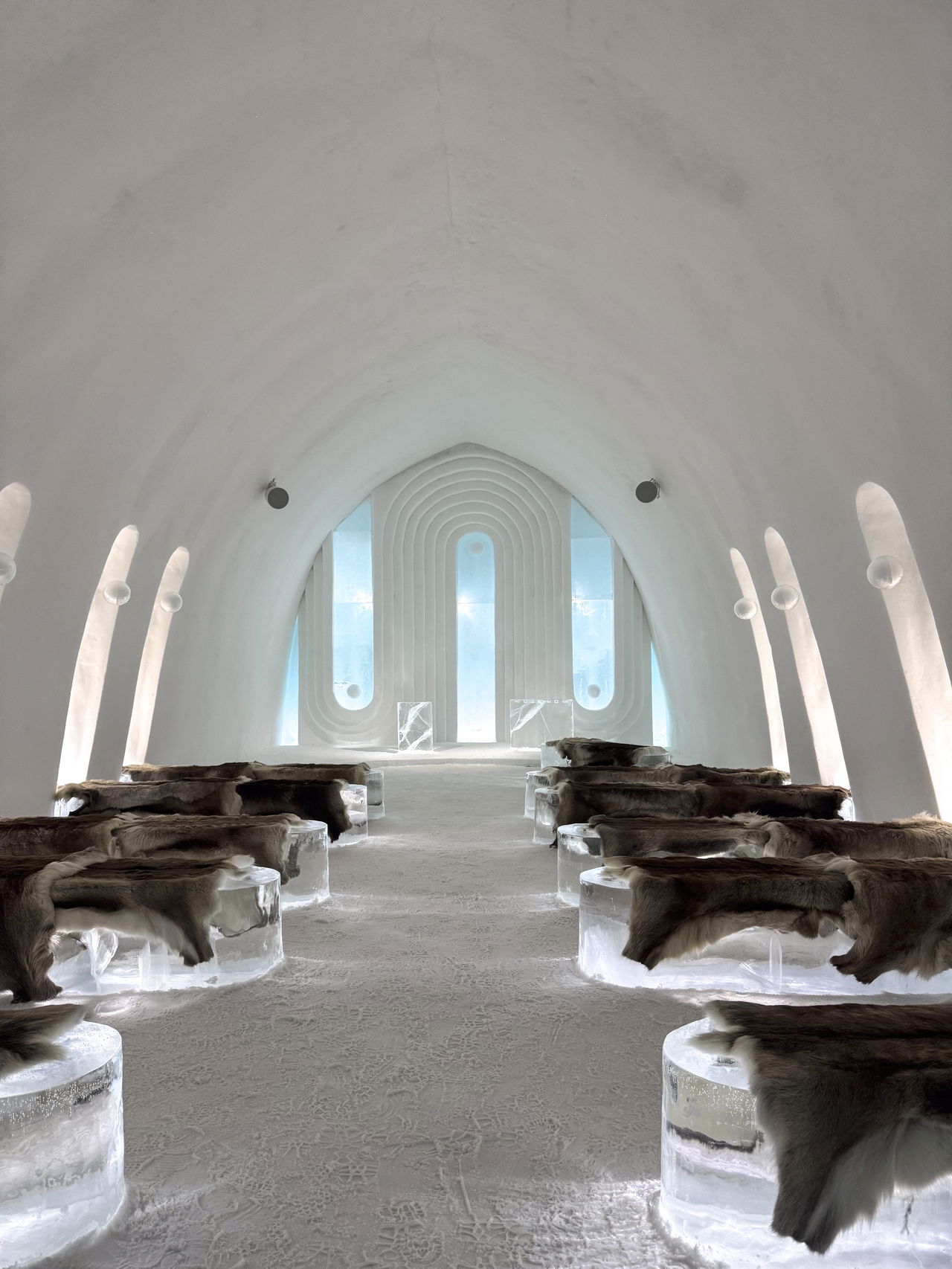
The igloo we were in was made of ice: the river next to us was frozen solid. Thanks to our reindeer skins and the builders’ expertise, our breath was only barely visible. Even our eyelashes had thawed.
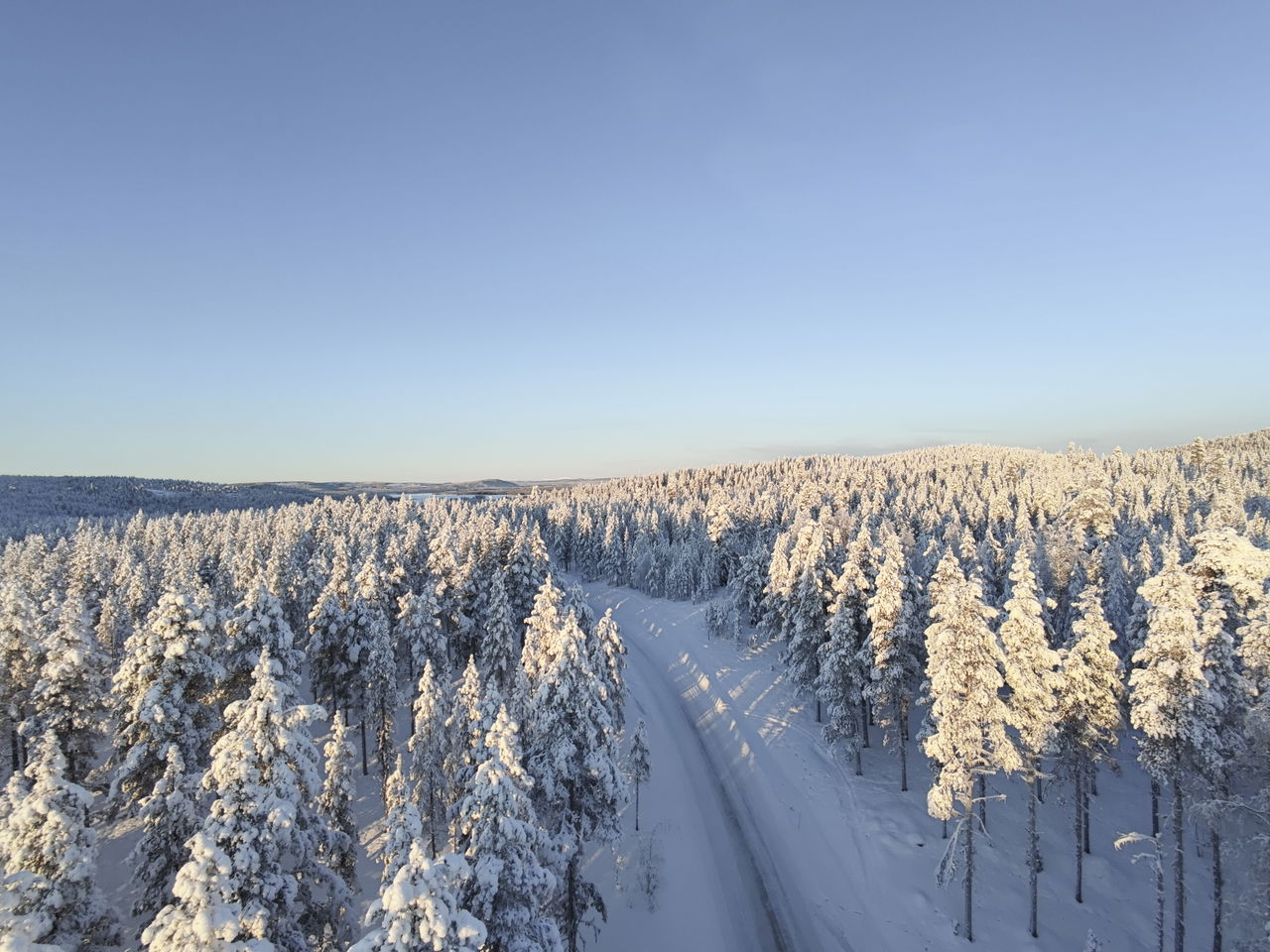
Northern Scandinavia is often referred to as Europe’s last great wilderness. It’s unfathomably vast, extremely thinly populated, with a wealth of spectacular wildlife. Its breathtaking landscapes invite a range of cold-climate disciplines, from skiing, ice climbing and snowmobiles to traversing fabulous fjords.
The few hardy humans who call it home are the custodians of a rich cultural heritage that transcends national boundaries, with an endless trove of expertise from which to learn.
All of this makes it the perfect candidate for a Shackleton Challenge. So in the depths of an unusually savage polar winter, we immersed ourselves in its otherworldly appeal.
WOULD YOU LIKE ICE WITH THAT?
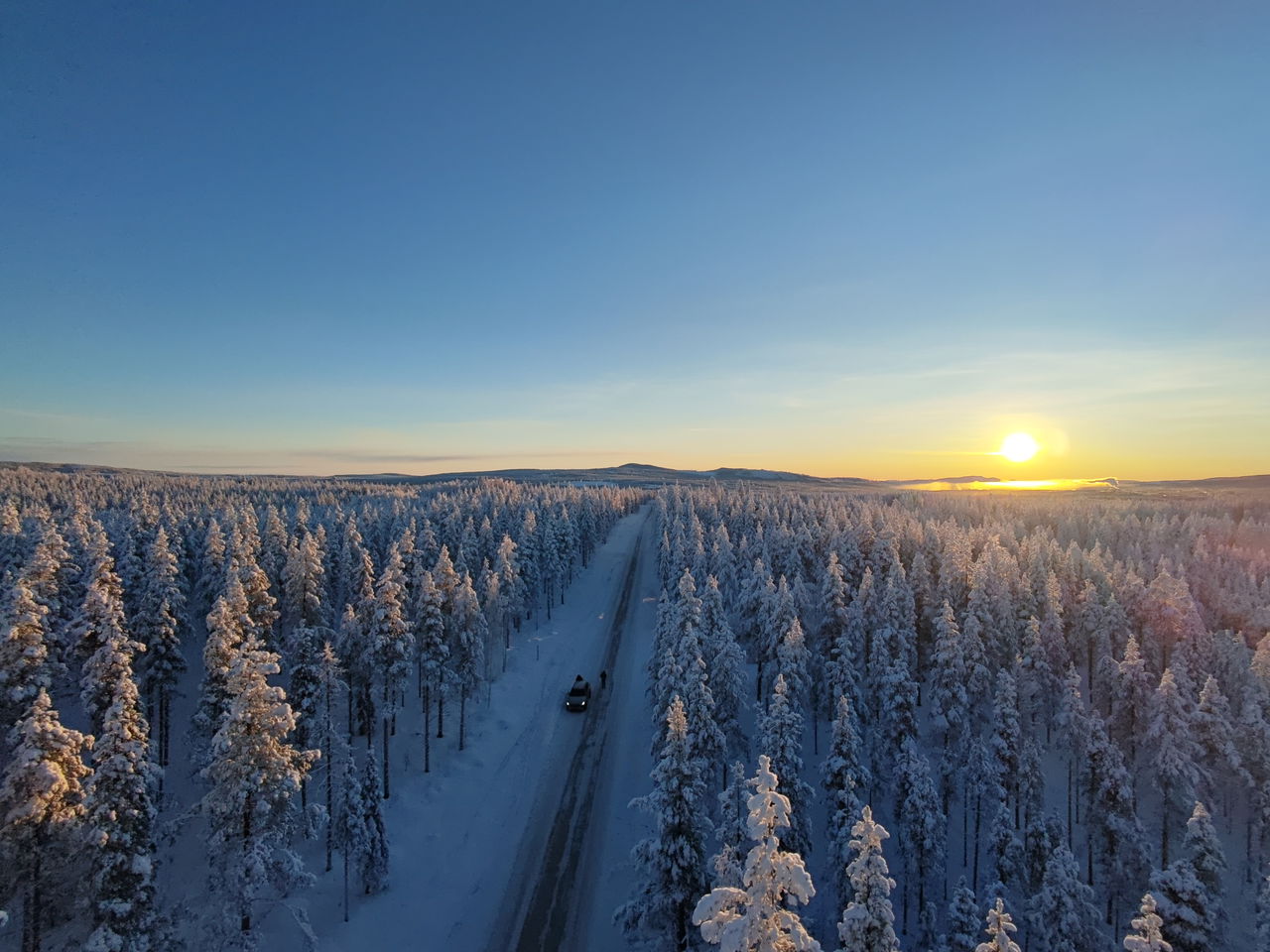
For those enticed by ice, Sweden’s far north in mid-February has it in abundance. We drove on ice, we slept both on and in ice, we examined waterfalls made of ice.
Being steeped in Shackleton lore, we’re intensely aware of just how tough the stuff can get once set hard. Even so, to drive a 4x4 out to an island 15k from shore, on a temporary causeway not quite a metre thick, demanded a level of trust that bordered on the surreal.
To sleep on a bed carved from ice, in a hotel room made entirely of the same material, felt similarly bizarre. While similar in theory to a traditional igloo, to encounter Sweden’s world-famous IceHotel in person was an entirely different experience.
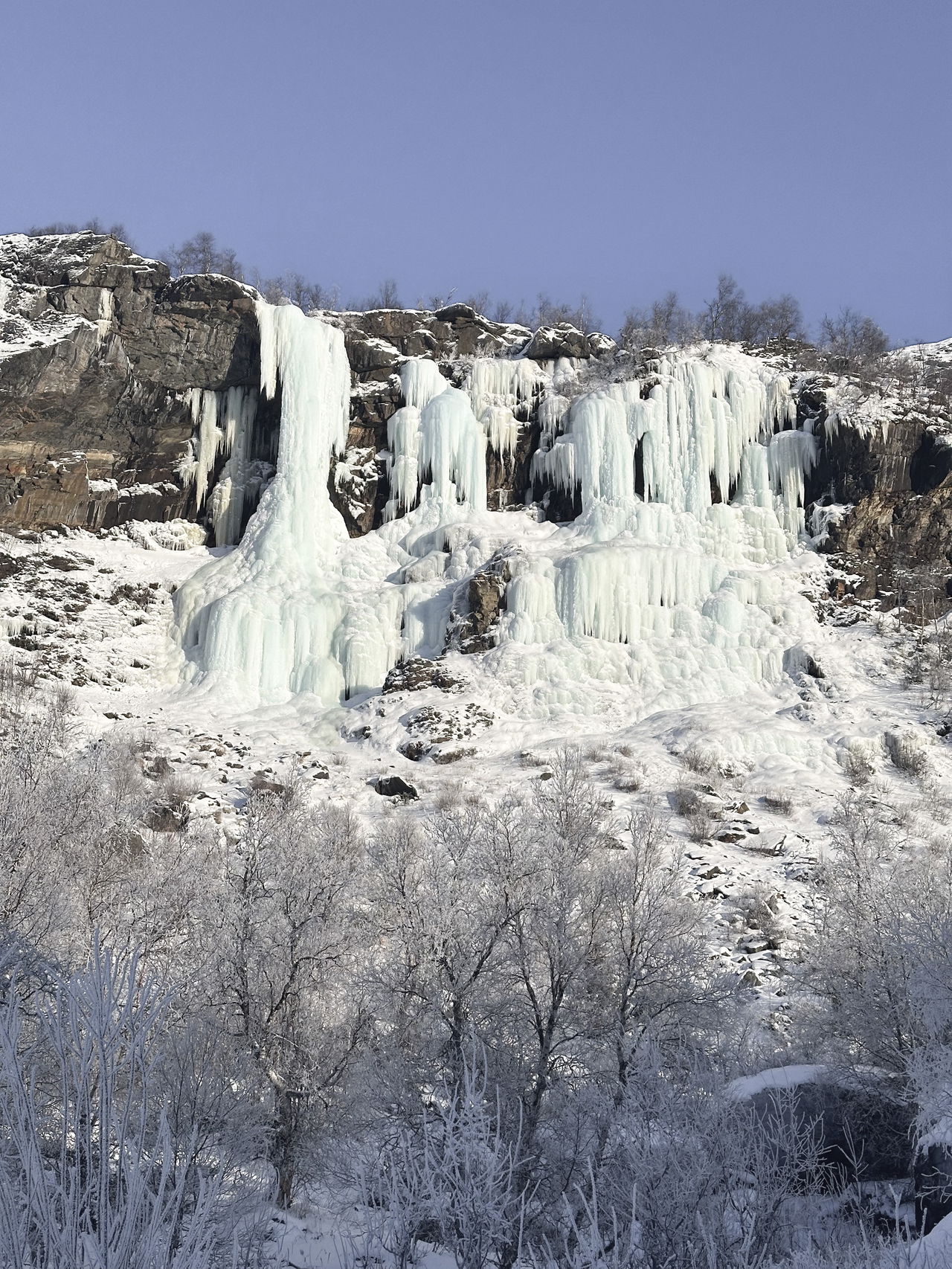
In the stunning Stora Sjofallet National Park, we assessed a series of frozen waterfalls as potential ice-climbing locations, finding several exciting candidates. We’ll be back with proper kit for the Challenge itself.
FROM ICE TO SNOW
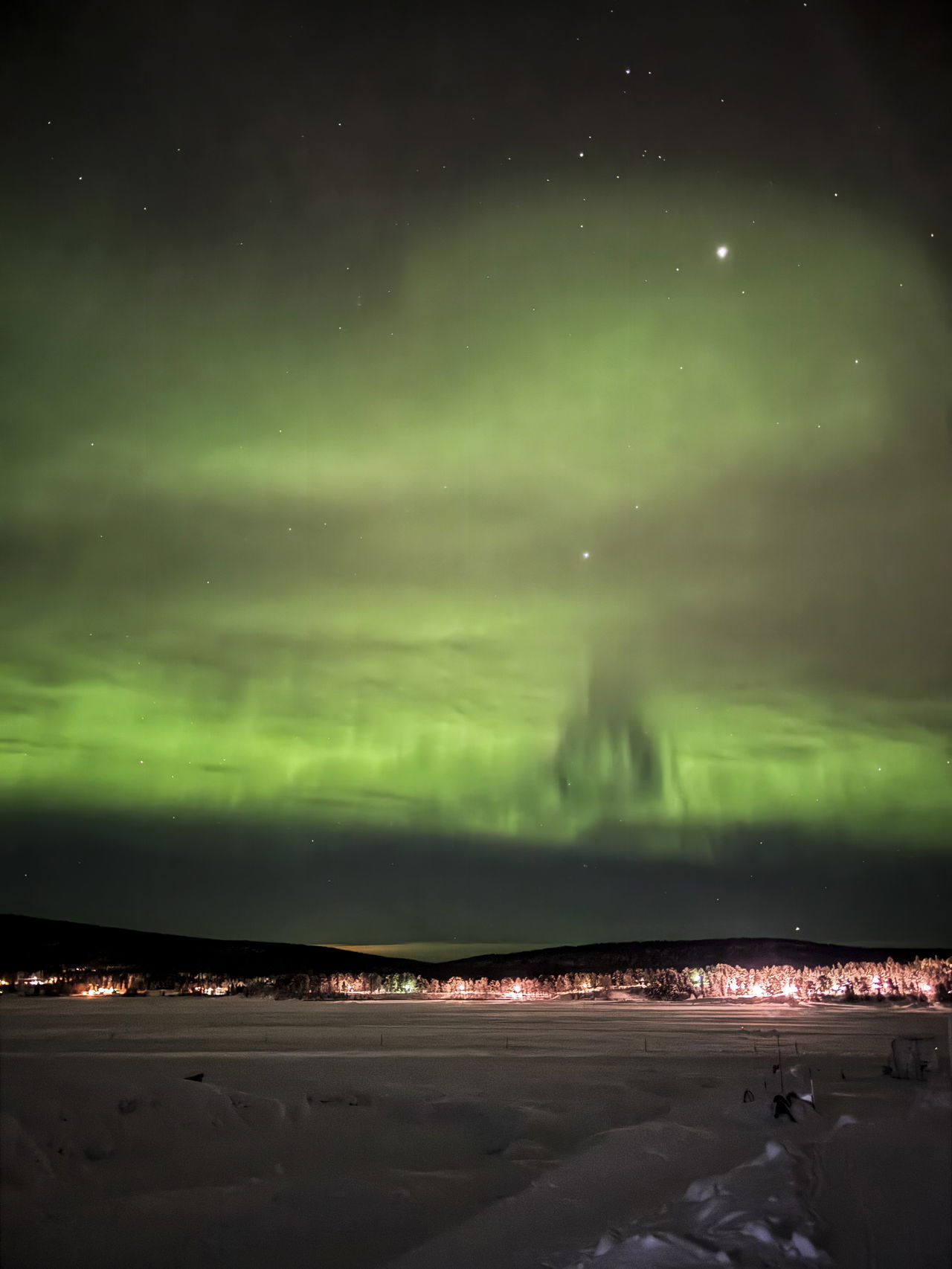
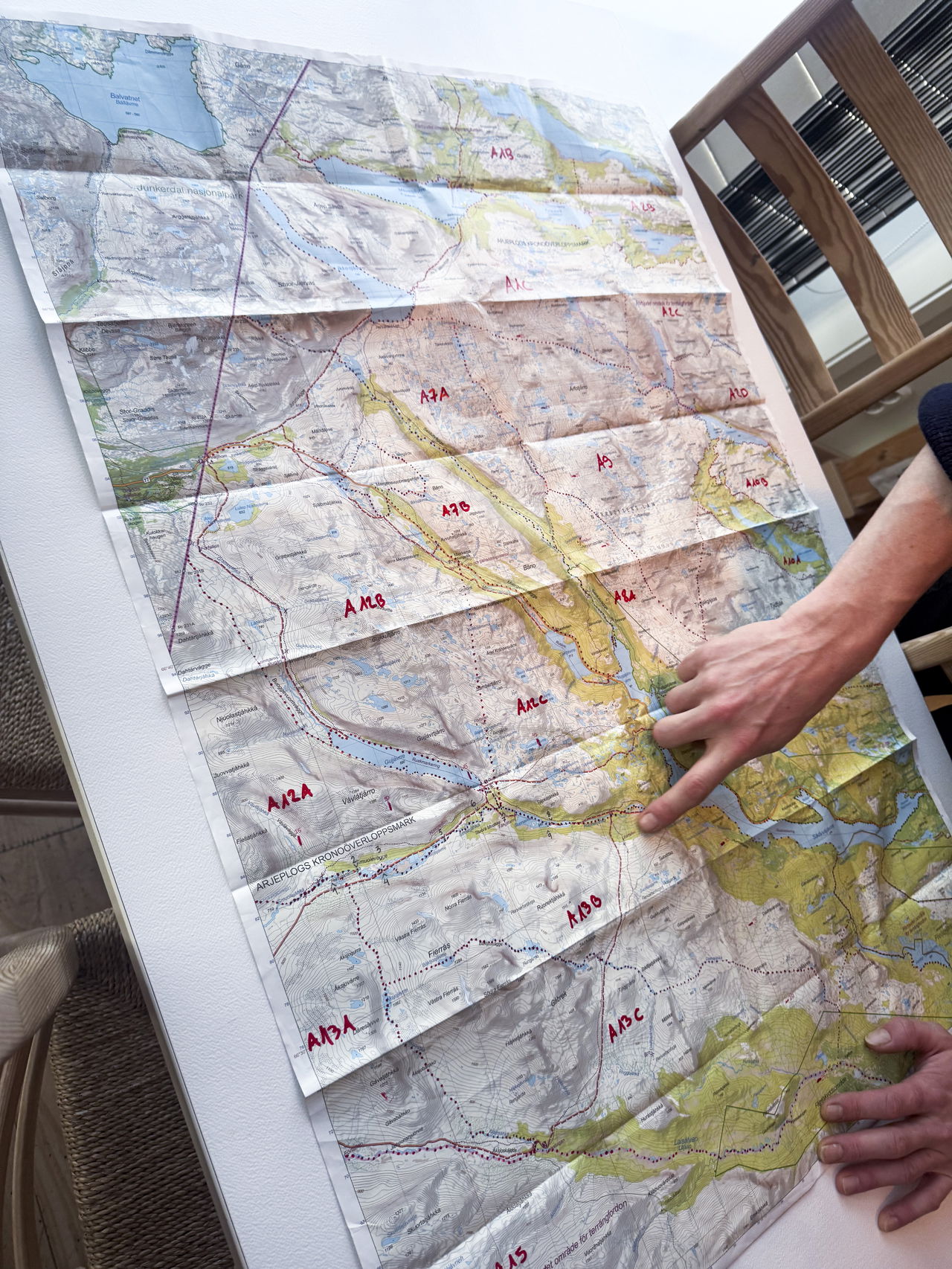
In the spirit of Sir Ernest, the lure of covering long, empty distances on skis is ever-present. We scratched that itch by surveying sections of the 450km King’s Trail (Kungsleden in Swedish) to identify areas for a future expedition. It’s built with winter skiing in mind, when seeing Northern Lights is likely, and represents an iconic challenge for experienced adventurers. Nights are spent in hospitable huts built for the purpose; it’s rumoured some even have saunas.
Another day with snow underfoot was our horse safari on the trail of the moose that roam freely across the region. We also made a two-day foray across the border into Norway, exploring fjords used by German forces during WW2 to conceal submarines. The list of magnets to draw the inquisitive explorer gets longer all the time.
COMBATTING DEEP, DEEP COLD
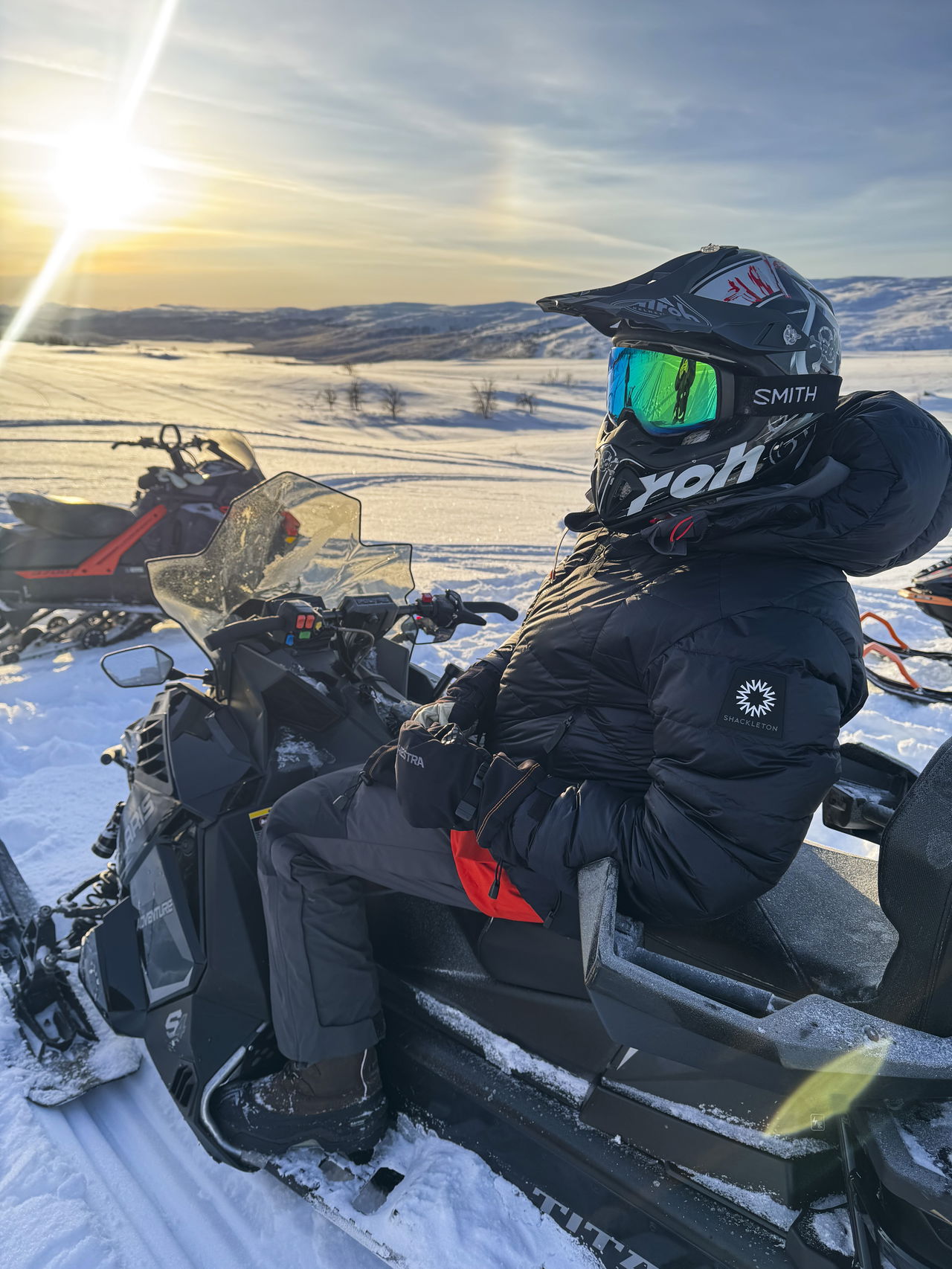
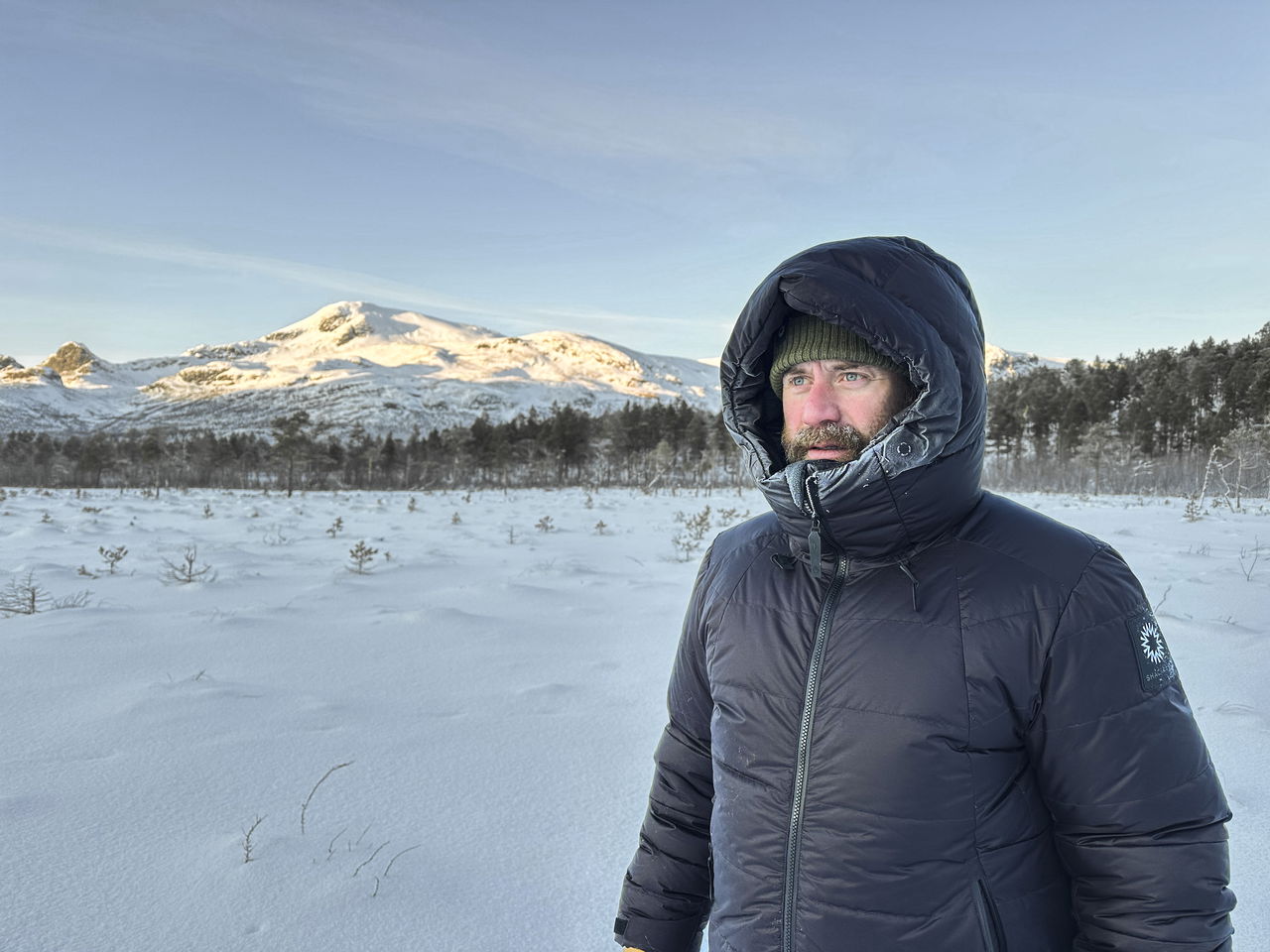
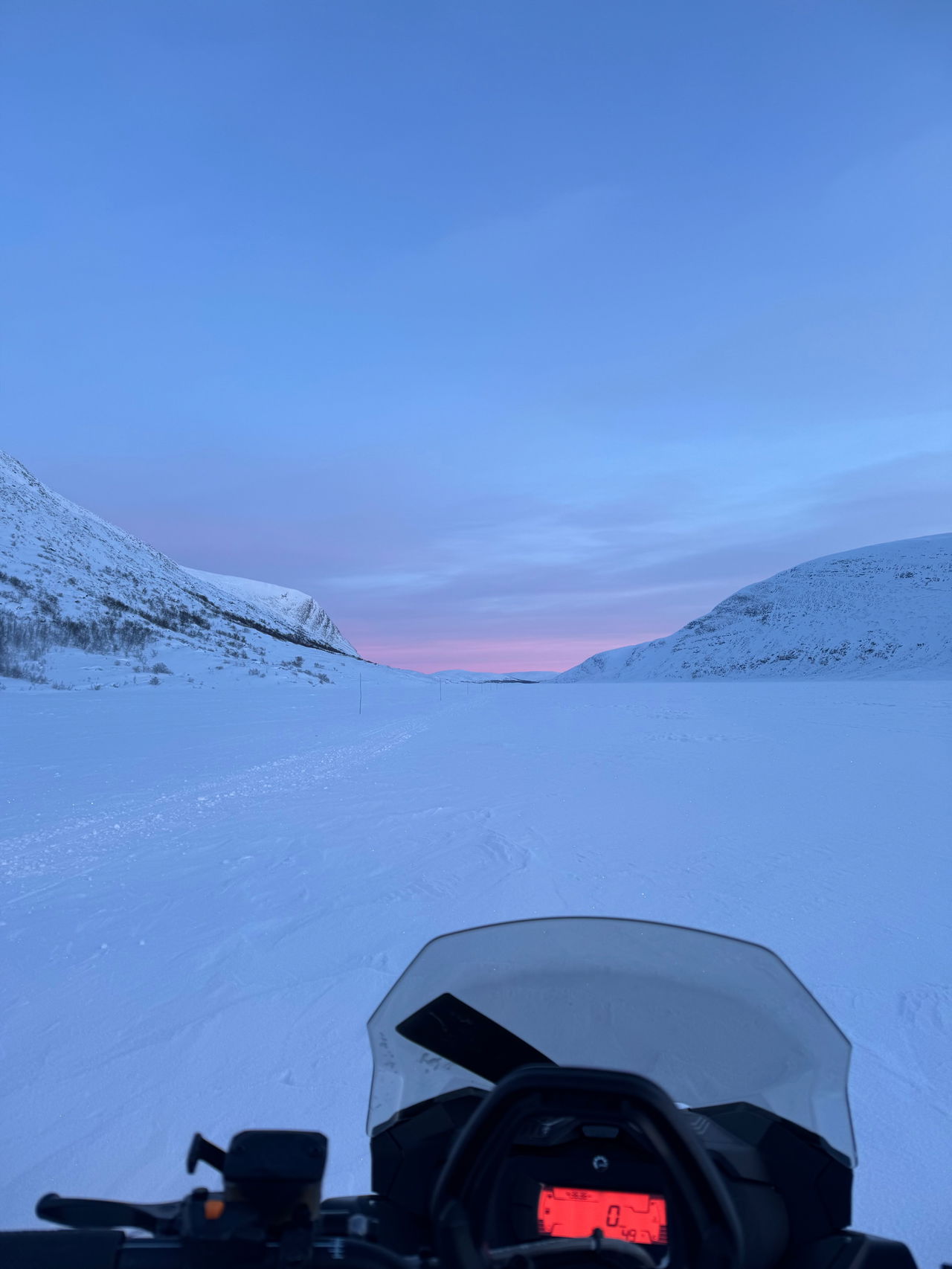
Throughout our comprehensive reconnaissance mission, the needle seldom rose above –20°C and often dropped as low as –35°C. On a snowmobile trip into the mountains, we were on the go for eight hours, stopping only for lunch in a remote hut. While conditions were perfect, with blue skies and pristine snowfields, wind chill gave the temperature a feel closer to minus 45°C than the-35 on the reading.
That’s proper polar weather, almost as cold as the Titan Dome near the opposite pole, and an unexpectedly stern test of the jacket we named after it. In such conditions, staying inactive is as much of a hazard as wind chill, and appropriate apparel becomes a lifesaver.
If you’ve experienced -20 and found it reasonably easy to keep comfortable, the difference below -25 can come as a shock. Any moisture (nostrils, facial hair) freezes immediately, while hands and feet go very cold, very fast, as the body prioritises the vital organs in the core. Less experienced explorers are also often surprised at the effect of eating and drinking on a break. Once back on the move, the extremities feel colder than before as the body pulls blood towards the stomach. The cure is to windmill the arms to force the blood to circulate before setting off - without which, frostbite is a very present danger.
Another factor is that -30 feels much colder in the Arctic than its southern counterpart, since the air in Antarctica is much drier. One upside of all this exposure to lethal temperatures is that -10 begins to feel positively balmy. You can begin to understand why some might choose to make it their home. Which brings us to...
DISCOVERING SÁPMI CULTURE
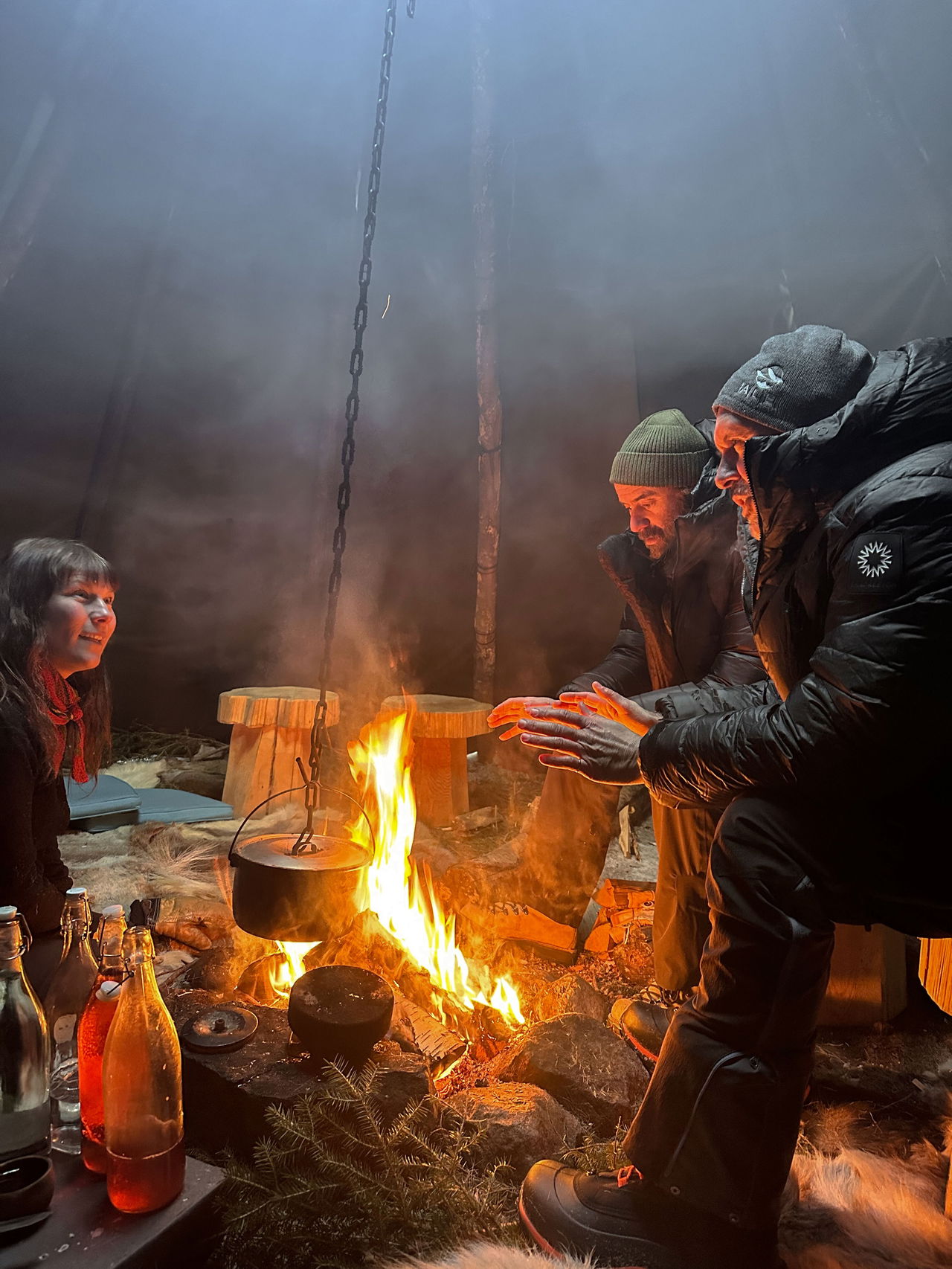
While Antarctica hosts no indigenous humans, this part of Scandinavia is home to almost a hundred thousand Sámi. No matter how extensive one’s experience in the globe’s coldest climates, actually living there for millennia brings another level of familiarity with what it takes to thrive in freezing temperatures.
We spent time in the fascinating town of Jokkmokk, just north of the Arctic Circle and a cultural hub for the herders whose ancestral lands include parts of Sweden, Norway, Finland and Russia. They refer to their homelands as Sápmi, in preference to the slightly pejorative “Lapland” used by most of the outside world.
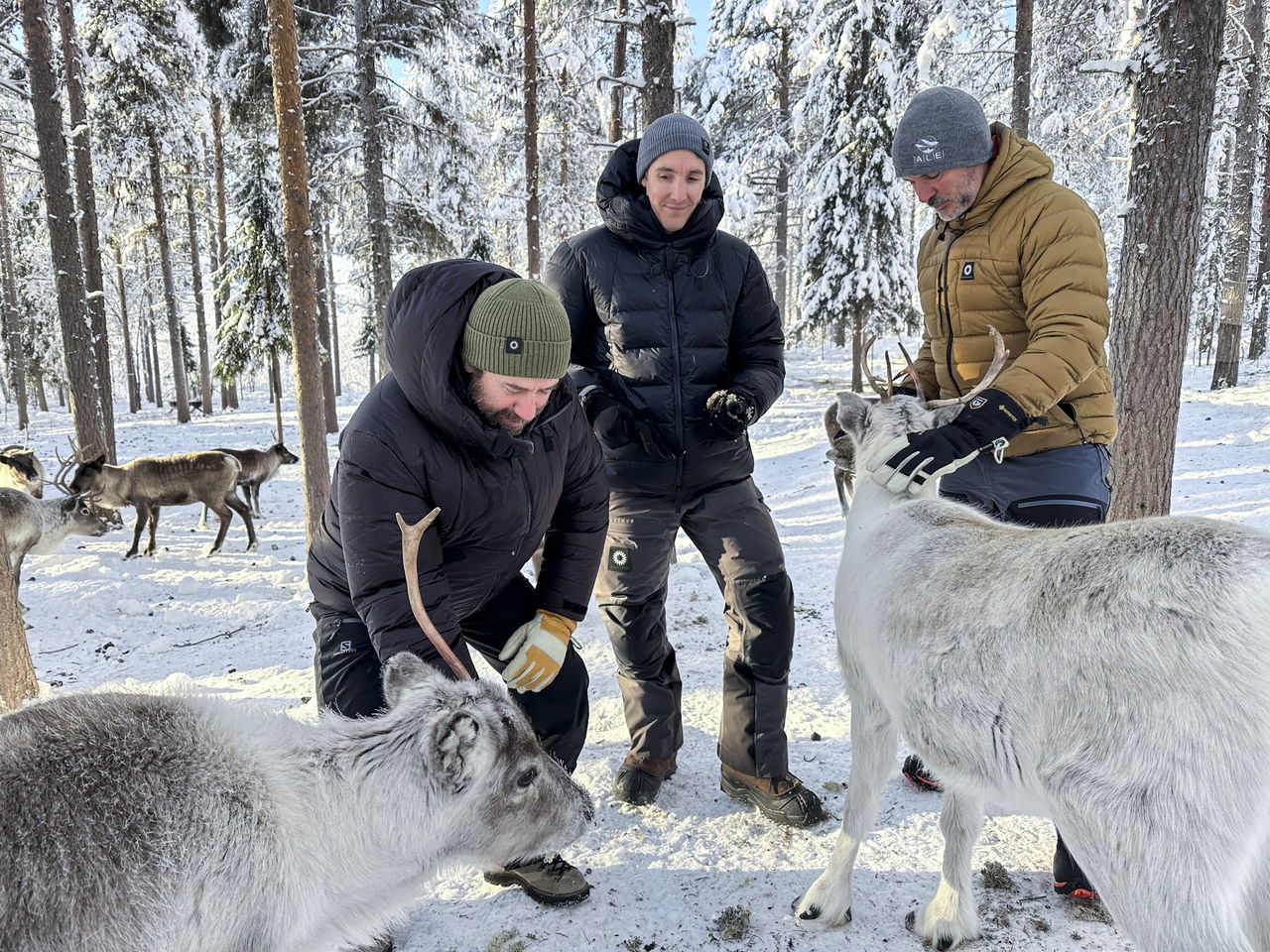
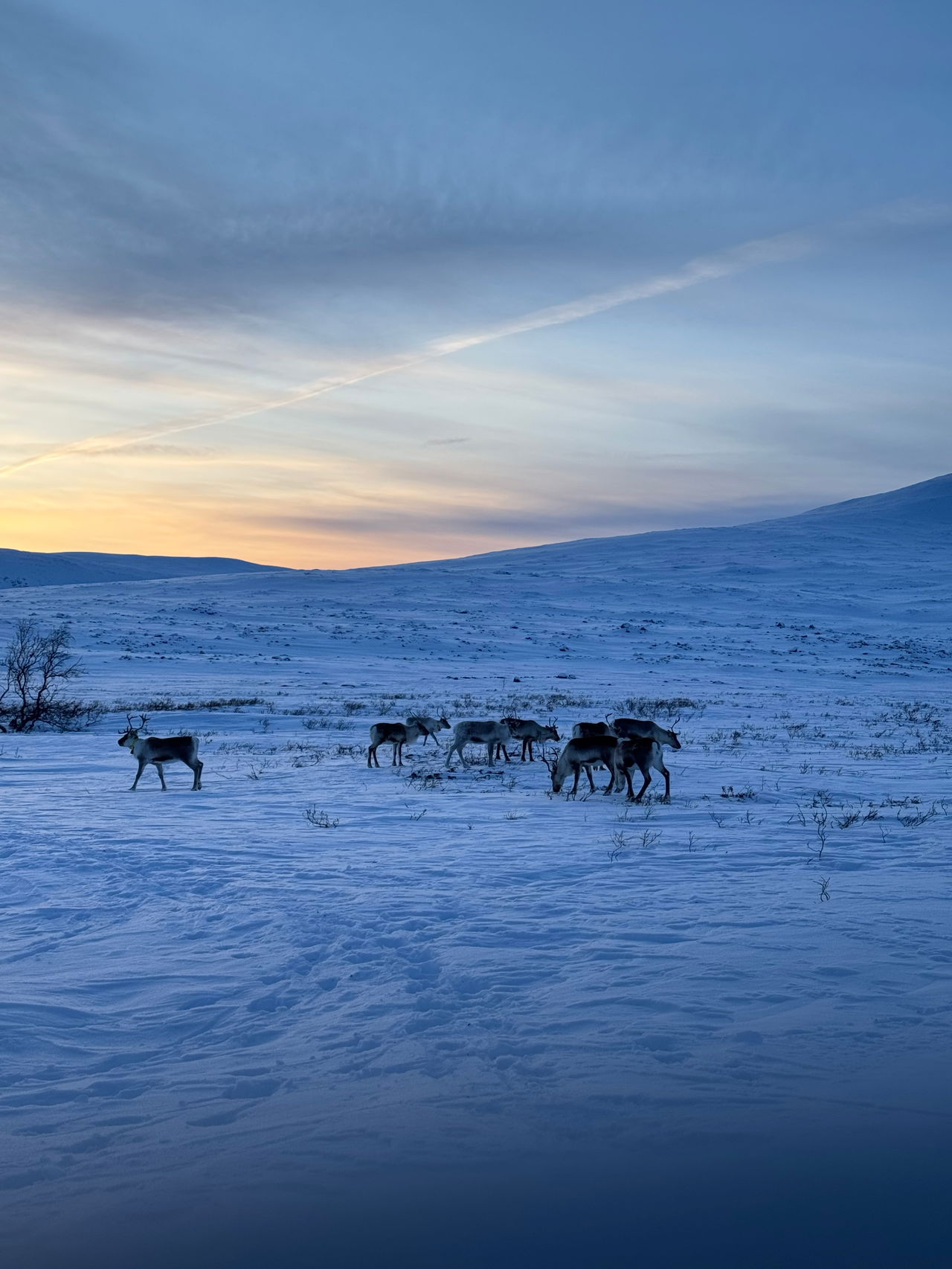
We learned that all reindeer herds are owned and managed by Sámi communities, who migrate with the animals. Spring is spent in the mountains where the females give birth, before returning to lower altitudes for the winter months.
It was incredibly rewarding to deepen our understanding of the people and culture of Sápmi, and all future Shackleton communications will respect the preferred name for their lands.
WE’LL BE BACK
Shackleton Challenges are built in the field by the expert guiding team that will lead the event itself. No desk-bound investigation could hope to come close.
We finished the recce mission completely persuaded that Europe's last great wilderness meets all our criteria: isolation, extreme weather, complex terrain and cultural depth. It demands respect and proper preparation.
After this invigorating dress rehearsal, we can feel the first full mission calling. Watch this space for updates.
"It is in our nature to explore, to reach out into the unknown"
Sir Ernest Shackleton
