UPF50+: Fabric Protection Designed for Heat, Movement and Long Exposure
PROTECTION WITHOUT COMPROMISE
High temperatures are rarely the only challenge in hot environments. Prolonged sun exposure places sustained stress on the body long before dehydration or fatigue become obvious. In the mountains, on exposed water, crossing desert terrain or moving at altitude, ultraviolet radiation becomes a performance factor in its own right.
For decades, sun protection has largely been approached through lotions and chemical barriers. Effective, but temporary. Clothing plays a different role entirely: constant protection, built into the system itself.
Shackleton’s warm-weather layers are constructed using fabrics capable of blocking 98.9% of UVA rays and 99.5% of UVB rays - achieving a certified UPF50+ rating. In practical terms, that makes them almost five times more effective than a standard cotton equivalent.
WHAT DOES UPF50+ ACTUALLY MEAN?
The Ultraviolet Protection Factor (UPF) measures how effectively a fabric blocks ultraviolet radiation from reaching the skin. Unlike sunscreen ratings, which focus primarily on UVB protection, UPF assesses protection against both UVA and UVB rays.
A fabric is tested using a spectrophotometer, which measures how much ultraviolet radiation passes through the material. A UPF50 rating means the fabric reduces UV exposure to just 1/50th of that reaching bare skin.
In practical terms, if unprotected skin begins to experience damage after 10 minutes of exposure, a UPF50 garment could extend that protection to approximately 500 minutes under the same conditions. While factors such as environment, reflection and individual skin type still matter, the principle is simple: the higher the UPF rating, the greater the protection built into the fabric itself.
The significance of that protection becomes clearer the longer you remain exposed. Unlike sunscreen, fabric protection does not sweat off, wash away or degrade throughout the day’s movement. It remains consistent across long periods of exertion, when reapplication is often forgotten or impractical.
But effective sun protection is only useful if the garment remains wearable under pressure. Heavy fabrics trap heat. Poorly designed technical layers become uncomfortable during sustained movement. The challenge is balancing protection with breathability, moisture management and temperature regulation.
That balance is where modern fabric engineering matters.
THE SCIENCE BEHIND UPF50+
Shackleton’s UPF50+ layers combine natural and technical fibres to create garments designed for movement in sustained heat. Merino wool contributes temperature regulation, odour resistance and moisture management. Technical fibres increase durability, drying speed and structure. The result is a layer capable of protecting against solar exposure without becoming oppressive once output increases.
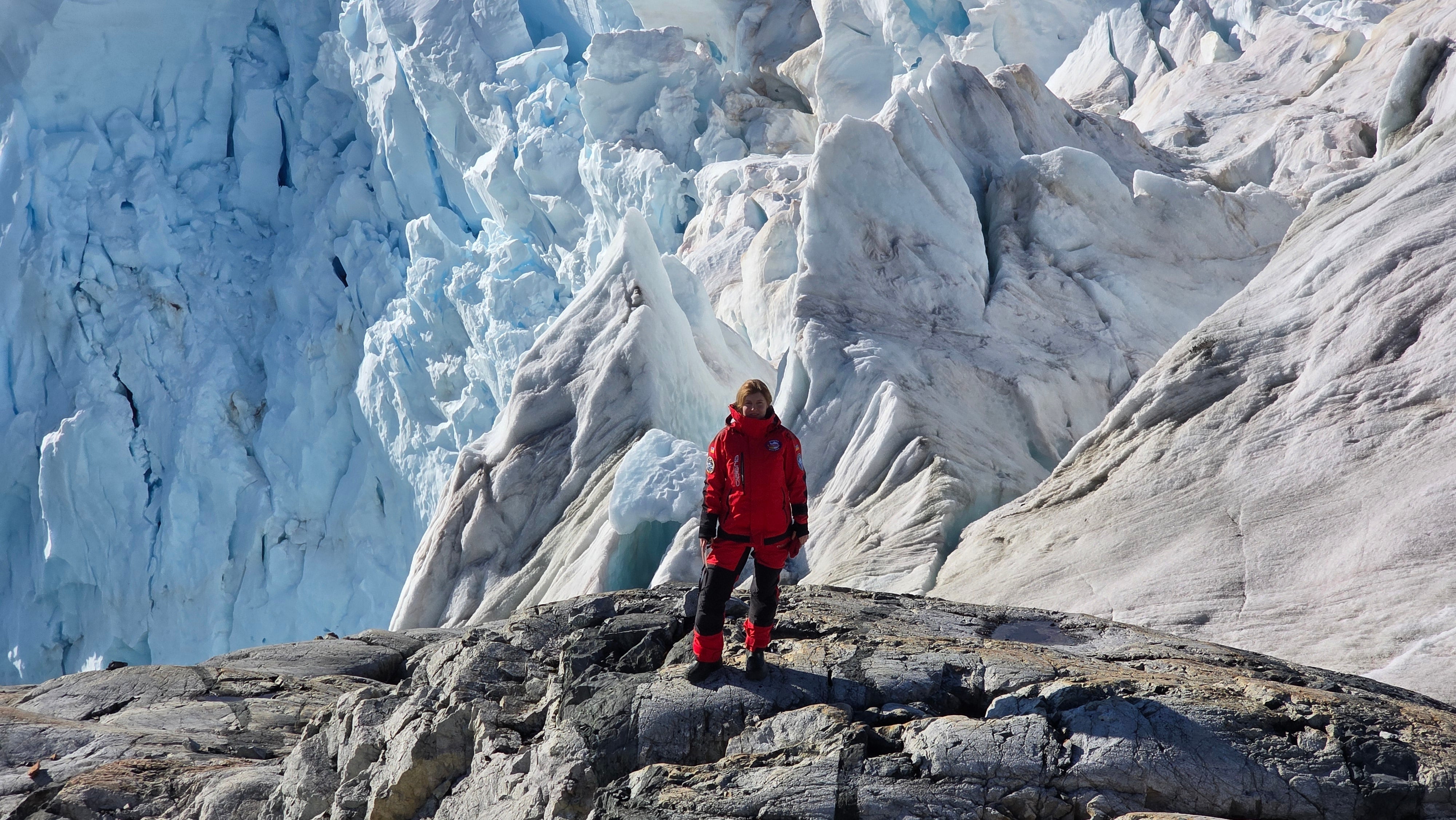
This matters particularly in environments where reflected radiation intensifies exposure further: glacier systems, open water, desert terrain, high-altitude trails and exposed rock. In these conditions, ultraviolet exposure comes not only from above, but from the surfaces surrounding you.
WHY UV EXPOSURE MATTERS IN THE FIELD
Protection is rarely the headline feature in performance apparel. Waterproofing, insulation and breathability are more visible discussions. Yet sustained UV exposure can impair recovery, accelerate dehydration and increase fatigue long before serious damage becomes visible on the skin.
Experienced travellers tend to understand this instinctively. The objective is not simply comfort. It is preserving energy, maintaining clarity and reducing unnecessary physiological stress over long days outside.
That is why high-performance sun protection belongs within a considered layering system rather than as an afterthought.
The best warm-weather layers do not merely help you tolerate heat. They allow you to continue moving efficiently through it.
BUILT FOR SUSTAINED HEAT

SUPERNAL MERINO T-SHIRT
A technical short-sleeve layer built for movement in rising temperatures. The UPF50+ fabric blocks 98.9% of UVA rays and 99.5% of UVB rays while remaining breathable and fast-drying under load. Designed as a foundational warm-weather layer for travel, training and expedition use where heat management and solar protection need to work together.
 SAILIENT HOODED T-SHIRT
A lightweight Merino performance layer designed for prolonged exposure in high-output conditions. The integrated hood provides additional protection across the neck, ears and head when shade is limited, while the Merino blend regulates temperature and manages moisture during sustained movement. Particularly effective in exposed mountain environments, desert travel and multi-day trekking.

LISTER MERINO T-SHIRT
Long-sleeve coverage for environments where exposure, wind and fluctuating temperatures demand greater versatility. The Merino blend provides natural thermoregulation across changing conditions, while the extended coverage reduces solar exposure during long days in open terrain. Functions equally well as a standalone layer or as part of a broader layering system.

ARICA TECHNICAL SHIRT
Designed specifically for sustained travel in hot climates, where airflow, coverage and sun protection must work simultaneously. The fabric composition delivers UPF50+ protection while remaining lightweight, breathable and quick-drying. Suitable for desert crossings, humid environments and extended periods under direct sun where cotton quickly becomes heavy and inefficient.
TRY BEFORE YOU BUY