POSTCARDS FROM THE EXTREMES
Introducing Girls Trip - A Women’s Expedition Redefining Polar Adventure this
International Women’s Day
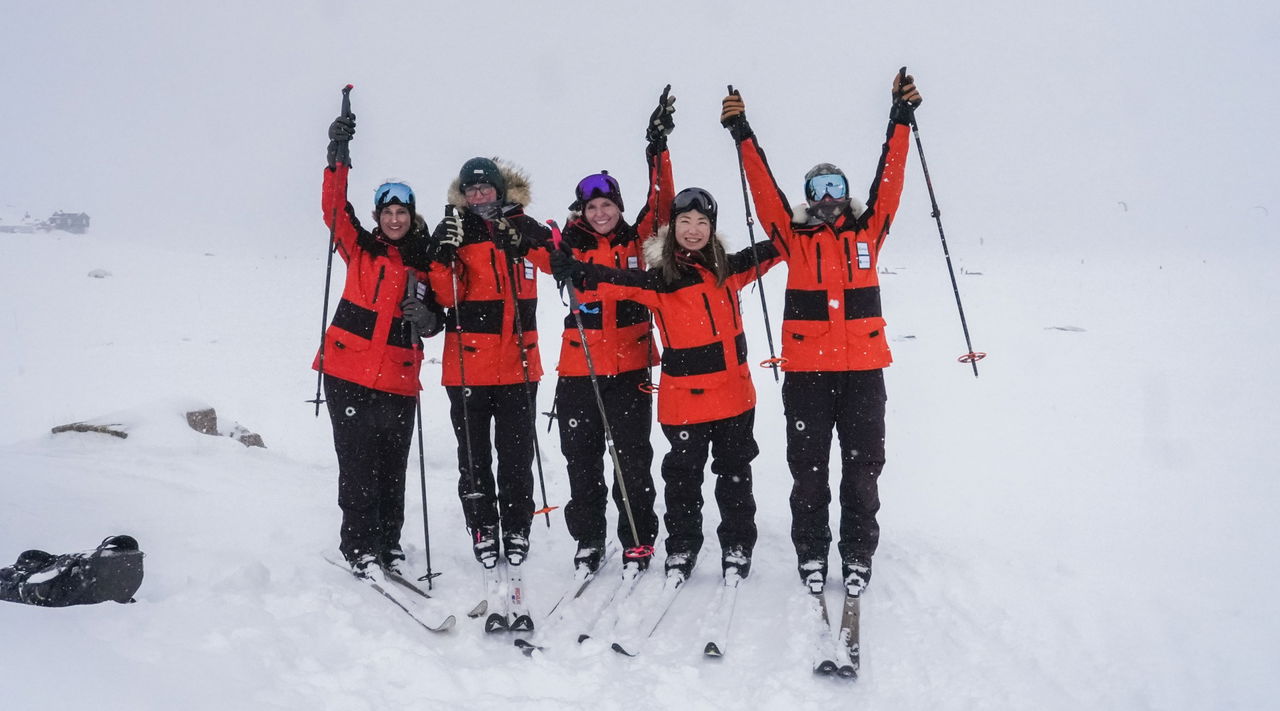
This International Women’s Day, Shackleton announces Girls Trip - an all-women expedition to Svalbard that blends polar travel with science, mentorship, and a redefinition of what modern exploration can look like.
Explore Shackleton Challenges
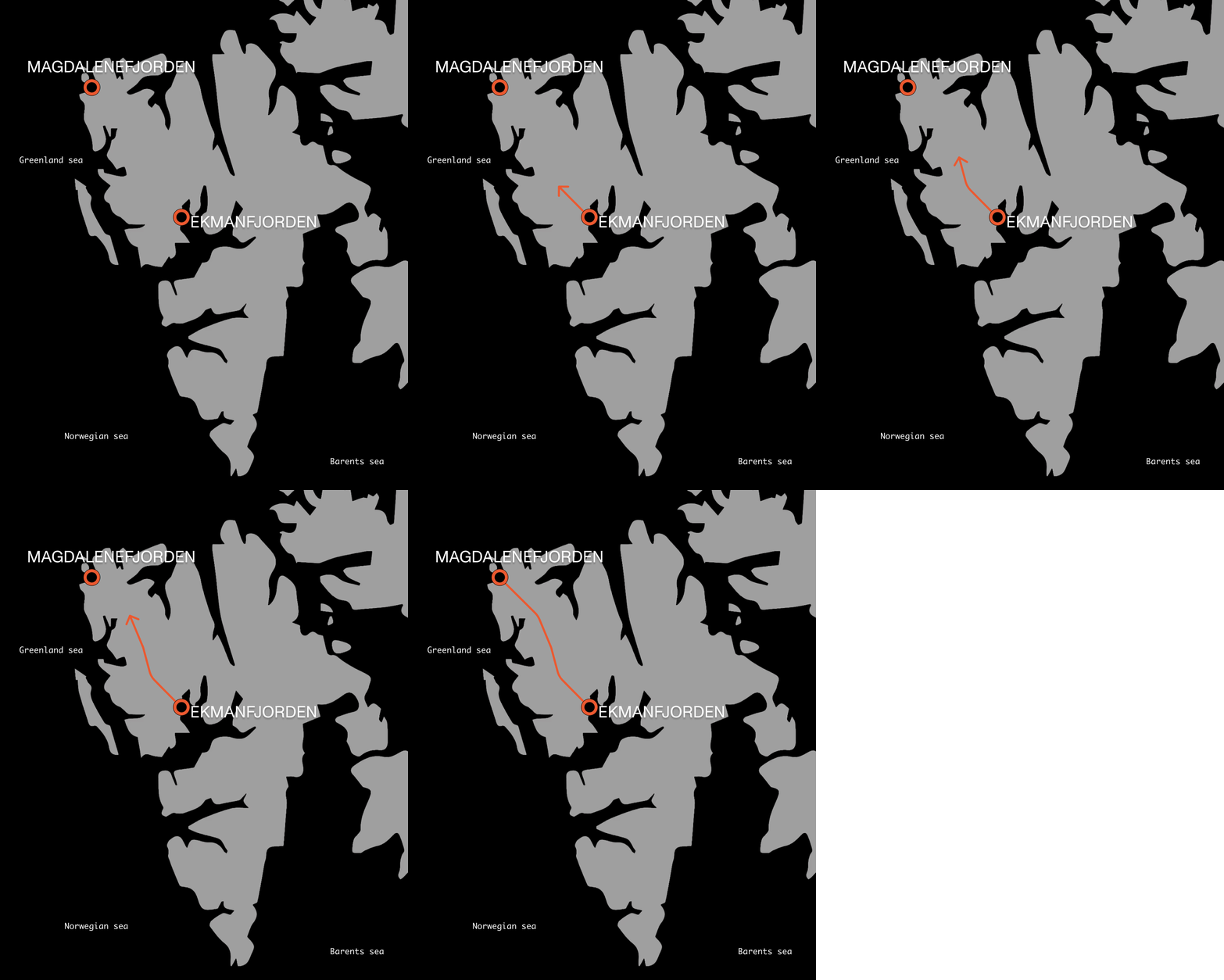
In spring, six women will ski approximately 200km across glaciated terrain in the High Arctic archipelago of Svalbard - a landscape of sweeping ice caps, surging glaciers and frozen fjords, positioned just 720 miles from the North Pole. It is both vast and fragile. The Arctic is warming four times faster than the global average. In Svalbard, that rate is closer to seven.
Girls Trip is not a record attempt; the sum of its parts is arguably more powerful.
A Different Kind of Expedition
The route will demand resilience: sea ice at the start and finish, undulating glacier systems, potential whiteouts, heavy sleds and constant vigilance for polar bears. But the team believes the greatest unknown lies in the human dynamic - how they support one another when tired, cold or uncertain.
Girls Trip is proof that exploration can evolve. It can gather science. It can educate and empower new generations. It can ask overdue medical questions. And it can prioritise friendship over headlines.
On International Women’s Day, Shackleton celebrates a team showing that polar travel does not have to be about being first. Sometimes, it is about being together - competent, prepared and quietly bold in a landscape that demands your very best.
Youth Impact - Girls on the Run
Girls Trip is also proud to be partnering with Girls on the Run, a nonprofit organisation supporting girls aged 8-13 in building confidence and resilience through movement and conversation. Ayuka has previously coached for the organisation and has been the main positivity driver for contributing to their curriculum and fundraising via Girls Trip.
The team will fundraise to expand access to the programme and record expedition reflections in the tent, responding to curriculum themes about courage, self-belief and handling negative self-talk. The message is simple: you can do hard things when you take small steps.
Learn More About Girls on the Run
Training, Preparation and Respect
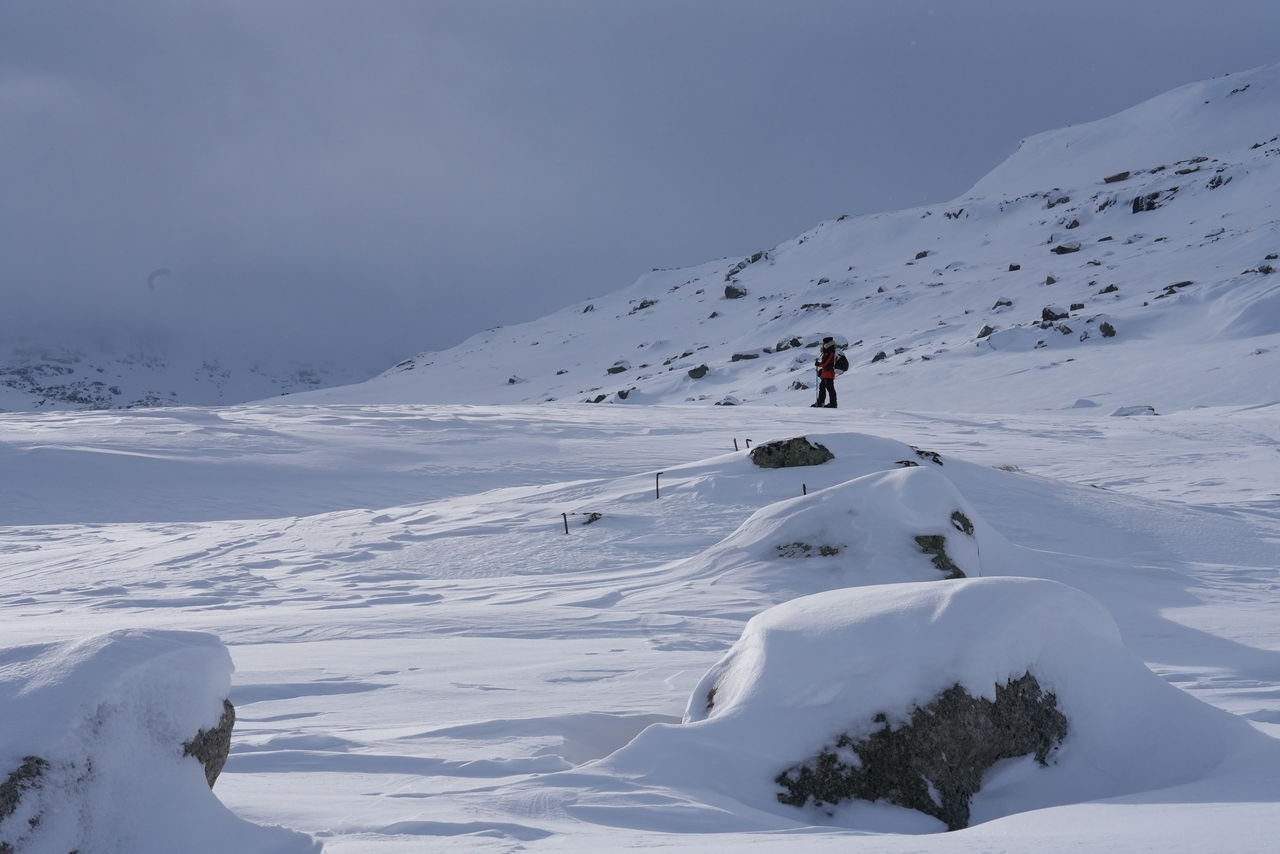
The team has just returned from an intensive training block in Finse, Norway, the historic polar training ground where the majority of the team first met. There, they conducted glacier rescue training, refined kit systems, stress-tested decision-making processes and worked through detailed risk assessments. The expedition was formally launched at the annual Expedition Finse gathering in front of an experienced polar audience - a moment of accountability as much as celebration.
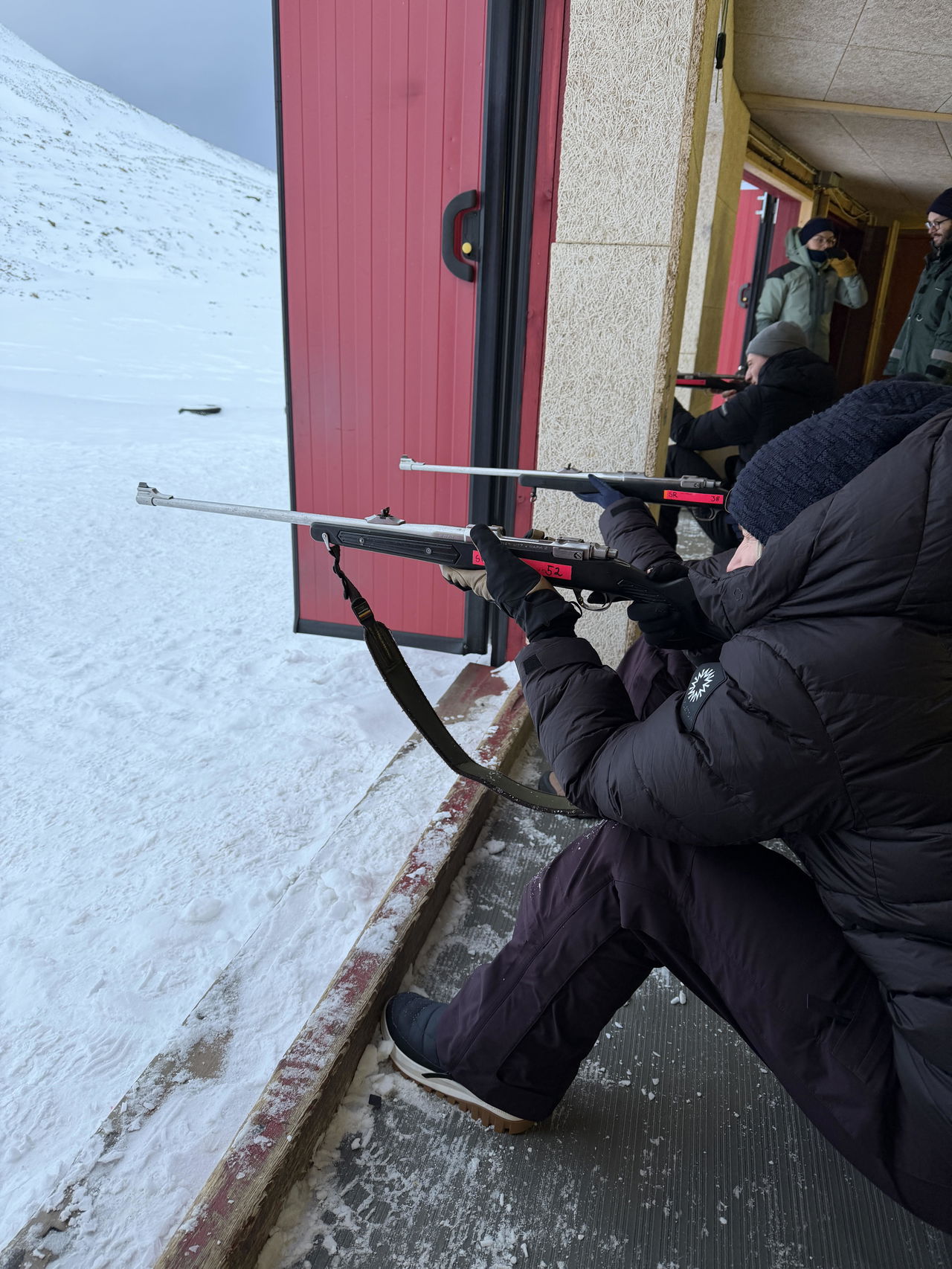
Following Finse, members of the team travelled to Svalbard to complete dedicated polar bear safety training. They learned protocols for sightings, how to read bear behaviour, how to retreat safely and if necessary, how to deploy deterrents. In worst-case scenarios only, they have trained in the use of a rifle. The aim would never be to shoot a polar bear. The team is entering the bears’ environment and holds deep respect for that fact. Multiple-layered measures will be in place to avoid encounters and deter approach, but rifles will be carried as a last-resort safeguard in one of the few places on Earth where that remains necessary.
MEET THE TEAM
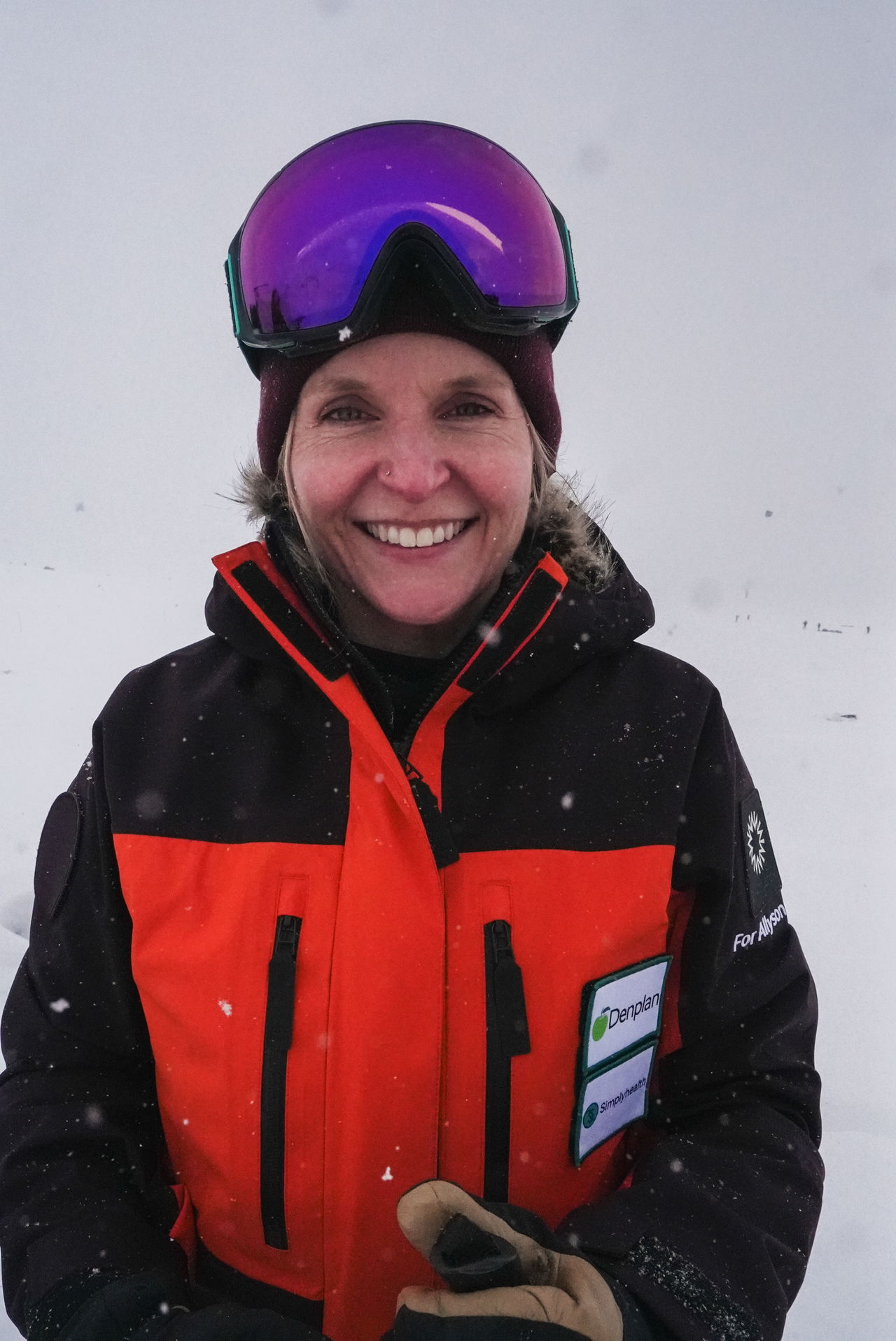
The Expedition Leader - Cat Burford
At the centre of the team is Cat Burford - dentist by profession, polar explorer by calling. A self-described “normal person with a normal job”, Cat skied solo and unsupported to the South Pole, completing a three-year journey from first-time trainee on Shackleton’s Finse Polar Skills Challenge to Antarctic finisher.
Her route into polar travel began with a school geography lesson about Antarctica being the world’s largest desert. That spark lay dormant through years of NHS dentistry, humanitarian work and everyday responsibility before reigniting in her forties. The dream of Antarctica became a reality through her purposeful decision-making to achieve it.
Girls Trip grew from that experience. “The best trips are girls' trips,” she says. After months alone on the ice, she wanted to return to the polar world not to chase a record, but to build something collaborative - rooted in friendship, competence and shared purpose.
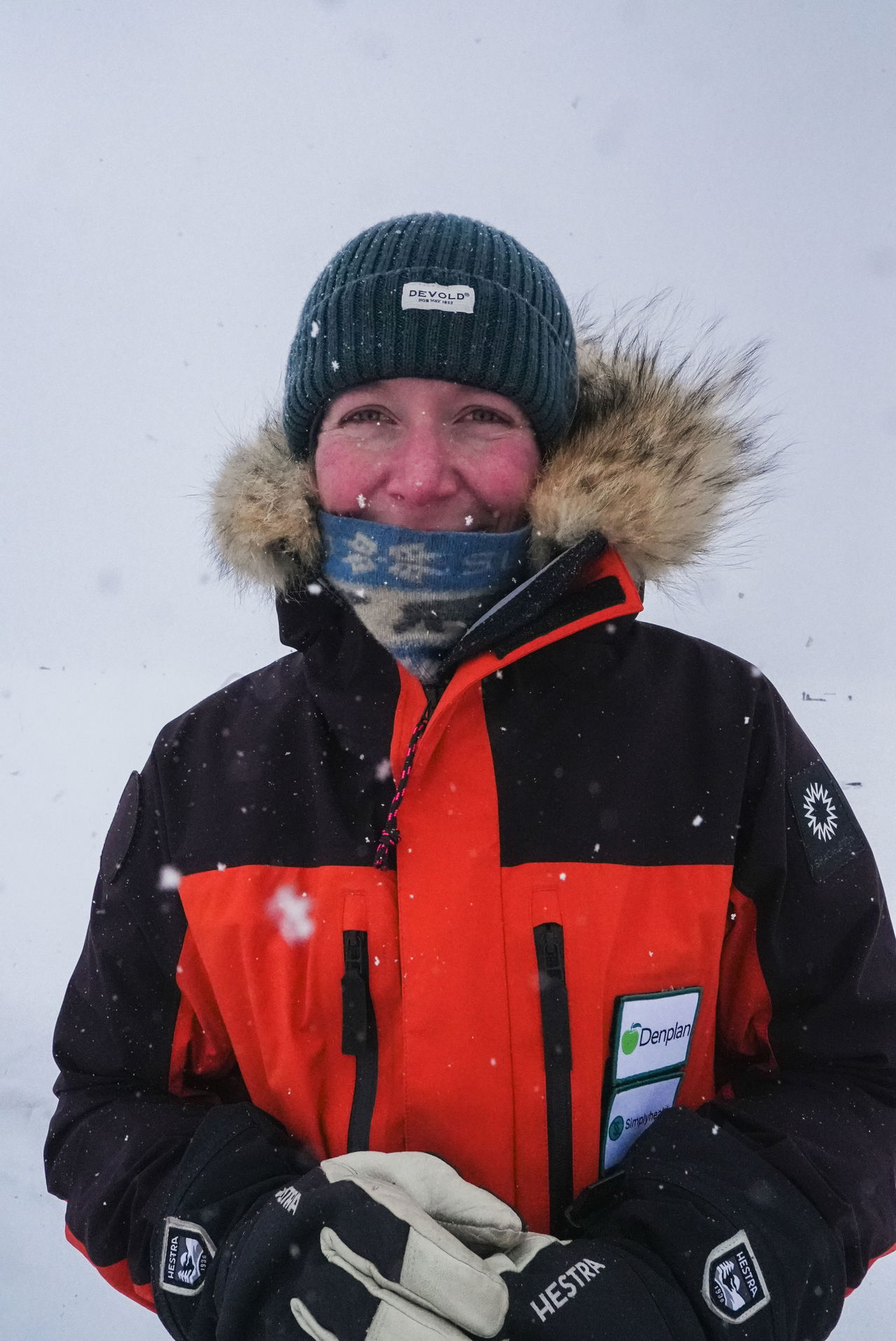
The Arctic Specialist - Jen McKeown
The Arctic Specialist - Jen McKeown
Jen McKeown, an Arctic Nature Guide, brings deep Svalbard-specific knowledge. Having completed the prestigious Arctic Nature Guide course in Svalbard, she is trained in glacier travel, avalanche awareness, polar bear safety and leadership in fragile environments.
Her experience is less about solo miles and more about people - fostering what Norwegians call god stemning - good atmosphere. She was the first to insist the expedition be self-run rather than guided. “None of us has enough skills to do this alone,” she explains. “But together, we do.”
Her greatest apprehension? Extended travel through crevassed terrain. The entire route crosses glaciers - complex, shifting ground where preparation and teamwork are non-negotiable. The team has trained extensively in crevasse rescue, route planning and satellite mapping to mitigate those risks.
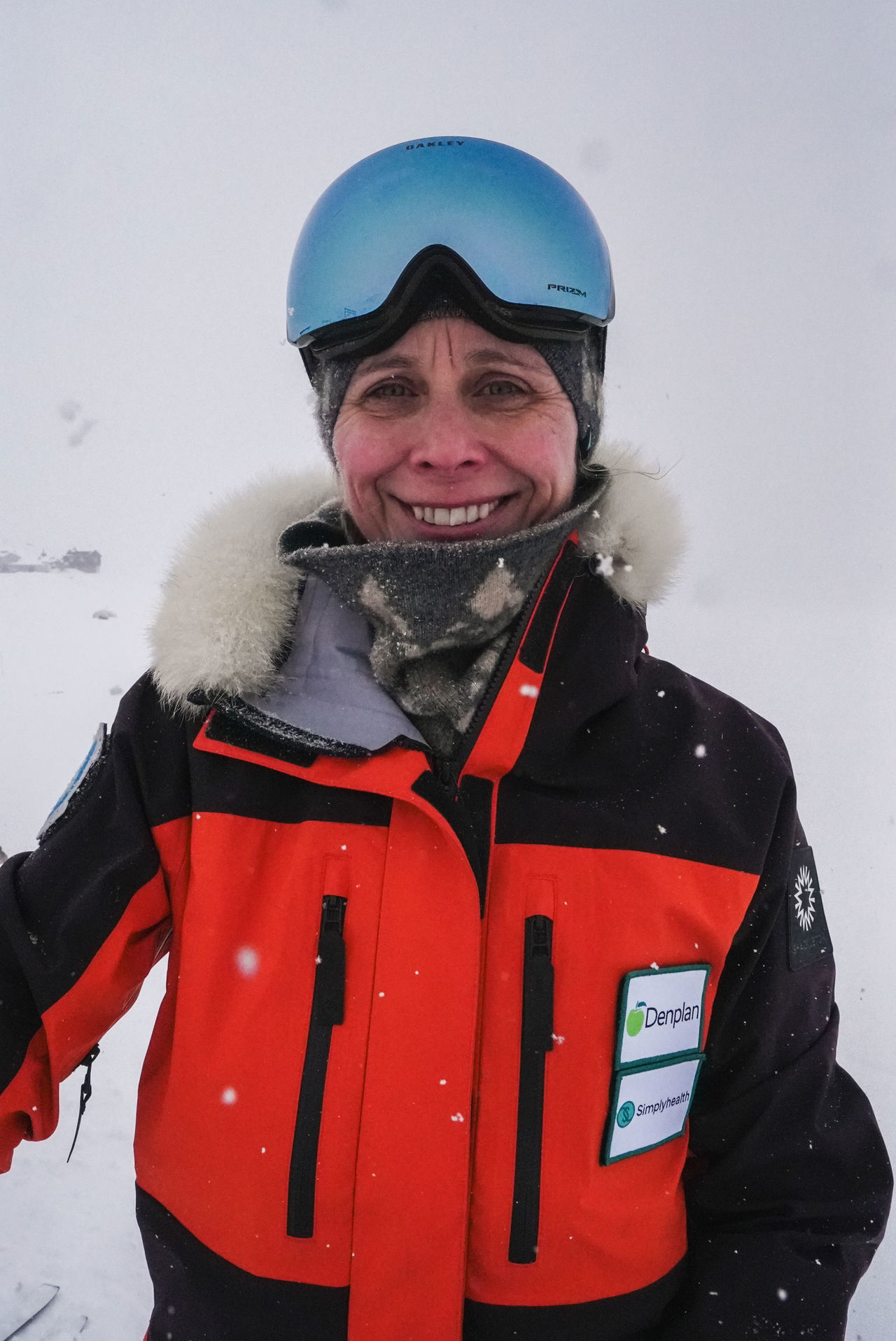
The Guide and Mentor - Amelia Rudd
Amelia Rudd, polar guide and Expeditions Manager for Shackleton and veteran of a solo Antarctic expedition, brings over a decade immersed in the polar world. Once holding an office job far removed from ice and sleds, she retrained, built her polar CV through Greenland and Finse and went on to become one of a small cohort of women to ski solo to the South Pole.
Now a guide herself, she is responsible for equipment and systems on Girls Trip. Her strength lies in resourcefulness - the ability to “botch beautifully” in the field when things break or plans shift.
For Amelia, the expedition represents a cultural shift. “Polar travel has been so focused on records and proving ourselves,” she says. “This is different. It’s about enjoyment, friendship and sharing competence.”
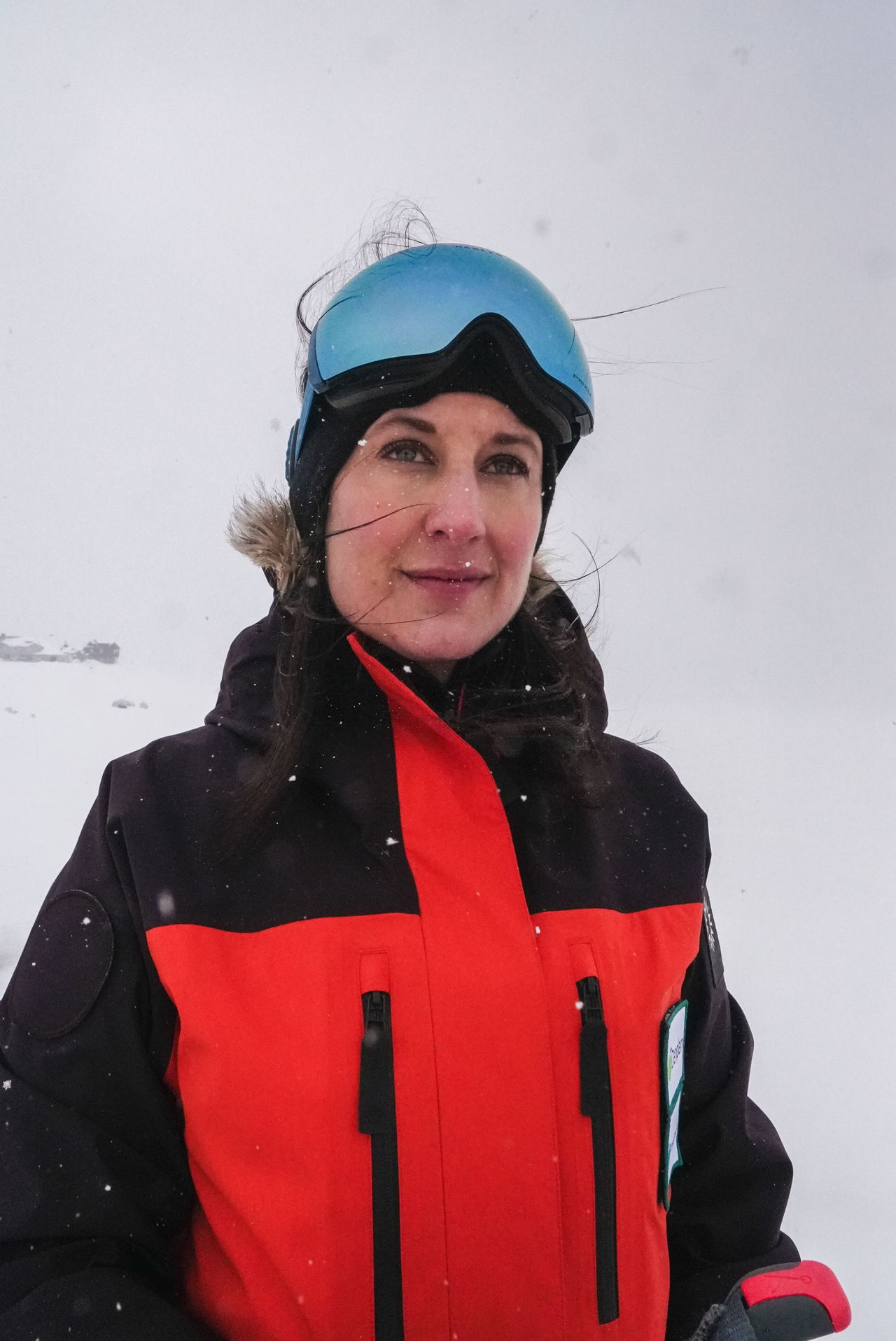
The Medic - Emma Maher
Emma Maher is a midwife on a high-risk labour ward in Dorset and a former RAF service member. Relatively new to polar travel, she was first drawn in by an image of Norway’s Hotel Finse and the example of other women who had stepped into extreme environments without prior experience.
Her biggest expedition to date was crossing the Northwest Passage with a Norwegian team - a journey marked by remoteness, wildlife encounters and endurance.
On Girls Trip, Emma is the team medic. Her hospital-honed calm under pressure, clinical experience and deep kindness anchor the group. She also brings a quiet but brutal sense of humour to the group!
She is acutely aware of the lack of research into female physiology in extreme endurance sport. “Women’s bodies cope differently,” she says. “We need better data to support future expeditions.”
Girls Trip will contribute anonymised data to ongoing research examining how sustained cold exposure and hauling heavy pulks affect women’s bodies - from energy use to injury risk.
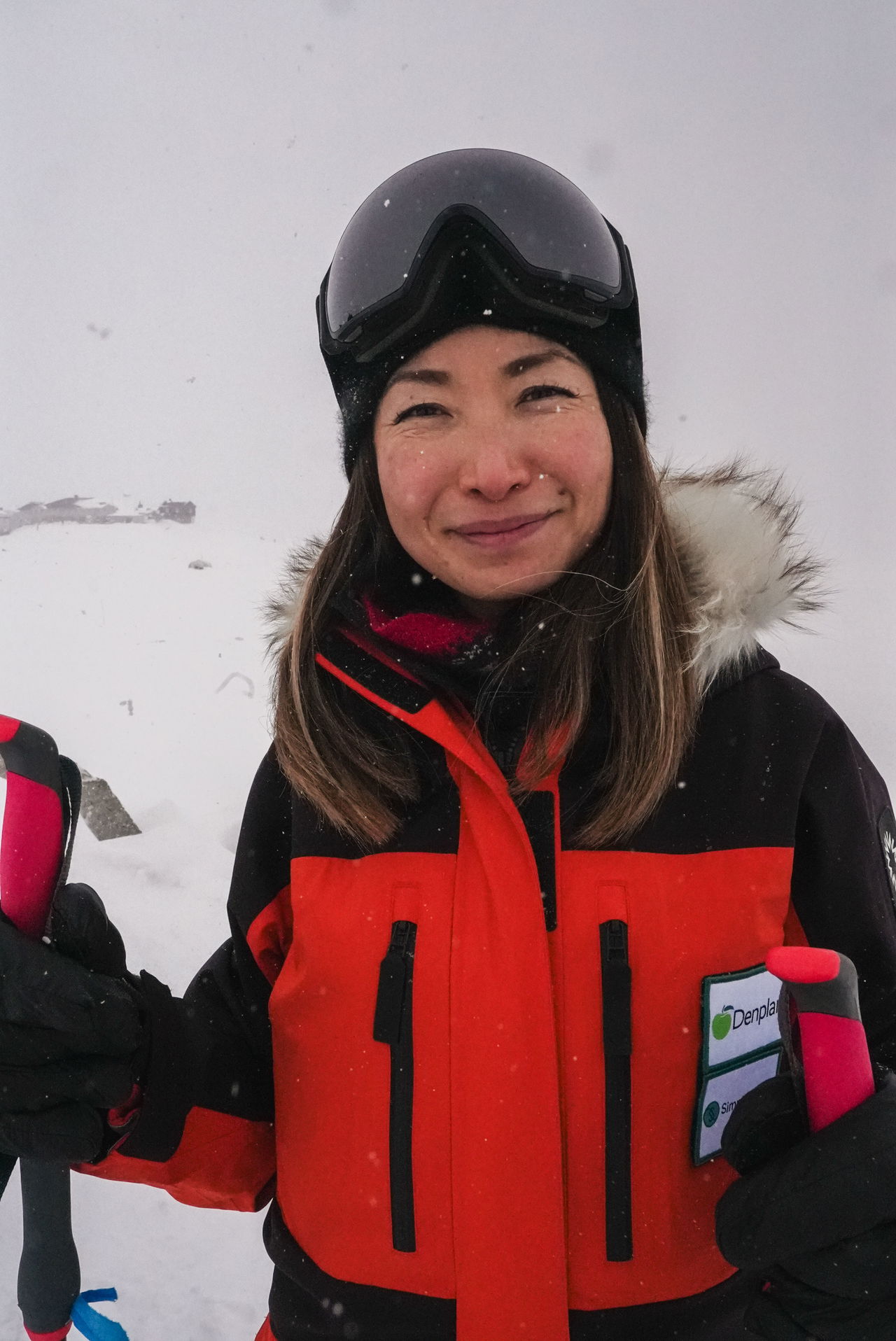
The Purpose-Oriented Polar Explorer - Ayuka Kawakami
Based in New York and originally from snowy Hokkaido, Ayuka Kawakami brings more than 100 days of polar expedition experience to Girls Trip, including a full south-to-north crossing of Svalbard, a Greenland ice cap traverse and a major solo Antarctic expedition on the horizon. She brings this wealth of experience to the safety decision-making team alongside Jen.
An investigative data journalist by background, Ayuka has also been instrumental in refining the expedition’s broader purpose – integrating both climate science and the team’s partnership with Girls on the Run to ensure the journey carries impact beyond the miles travelled.
Through her collaboration with glaciologist Dr. Ulyana Horodyskyj Peña at the University of Colorado Boulder, Ayuka has worked to simplify the collection of black carbon samples – microscopic soot particles that darken snow and accelerate melt. On this expedition, the team will gather snow samples using a lightweight filtration method, contributing valuable data to help scientists better understand how pollution is affecting Arctic ice. “Svalbard is warming at an extraordinary rate,” Ayuka explains. “More data points mean better understanding.
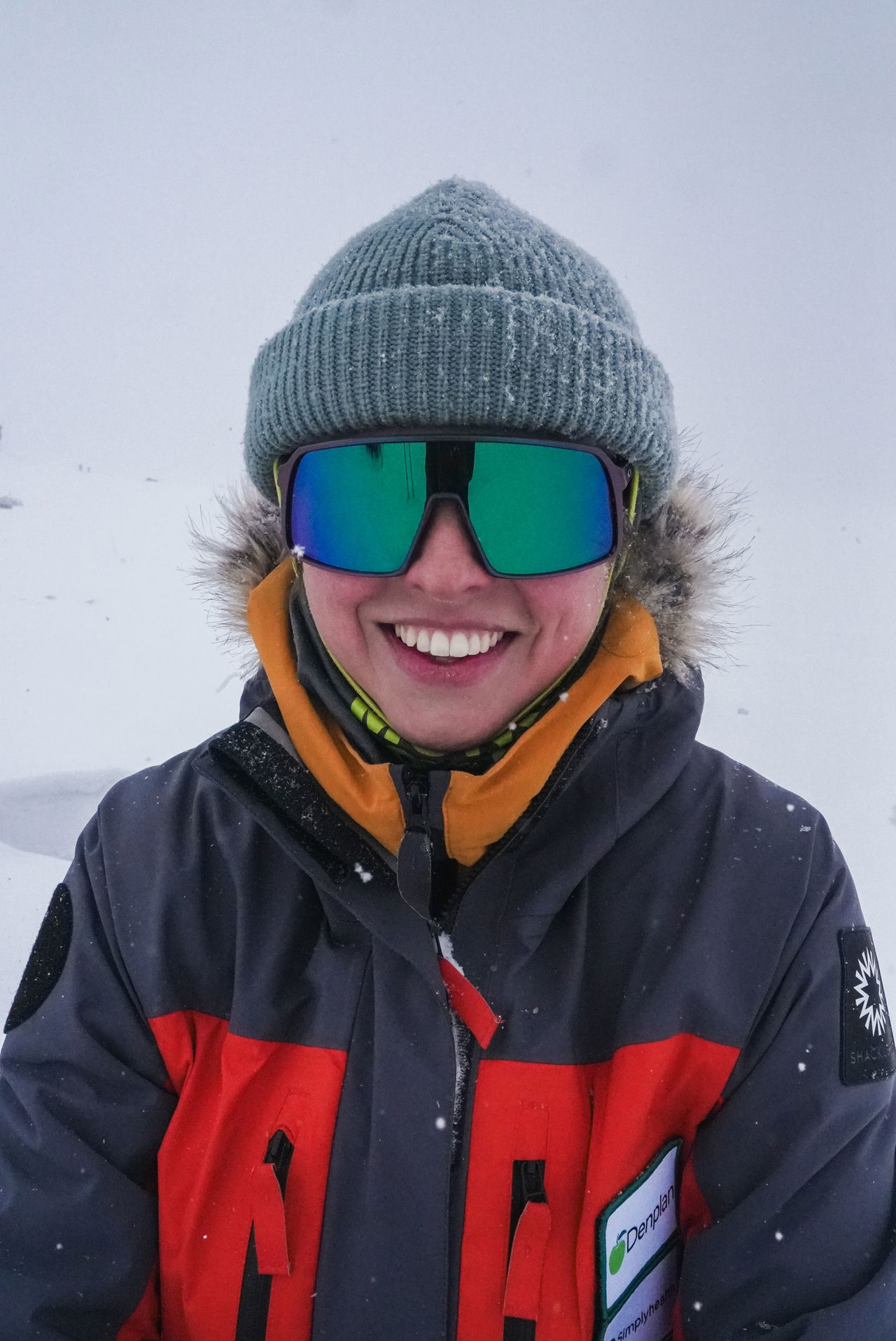
The Storyteller - Amelia Steele
Travelling alongside the team is Shackleton's Amelia Steele, joining the expedition as a documentary filmmaker. Her role is to document not only the miles covered, but the nuance - the tension of glacier crossings, the humour inside a wind-battered tent, the rare “exquisite singular moments” when stress gives way to awe. She brings humility, openness to learning and the genuine desire to listen and care for the story of each member of the team.
The resulting film will capture Svalbard as it exists now - a landscape changing in real time.
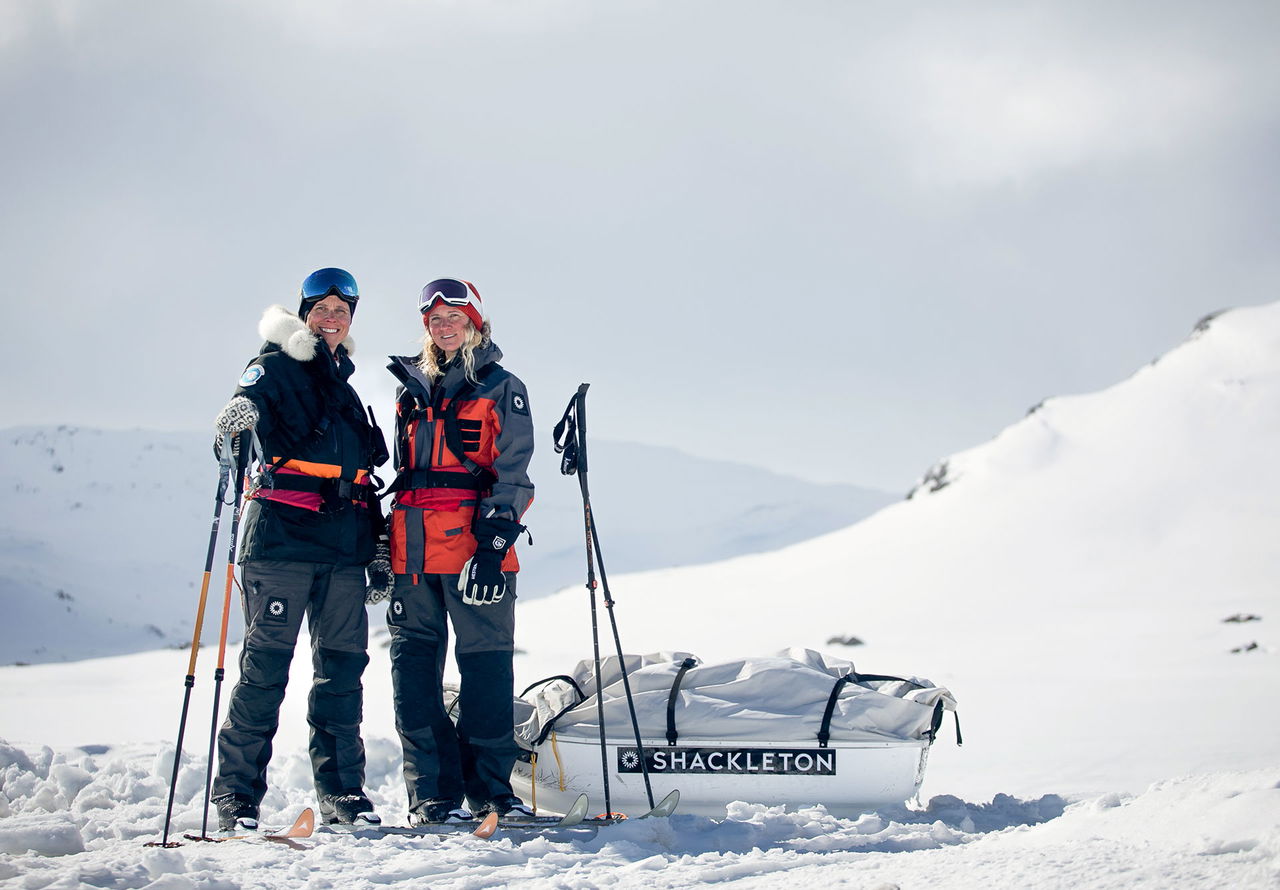
If Girls Trip has sparked something in you, you may be interested in Shackleton's Women’s Polar Skills Challenge - the inclusive, all-women training expedition in Finse, Norway. Spend four days immersed in glacier travel, rope work, camp craft, cold management and decision-making in a true polar environment.
Read more about what you could expect from the challenge in Spring 2027.
Discover Women's Polar Skills Challenge
"It is in our nature to explore, to reach out into the unknown"
Sir Ernest Shackleton
