

Welcome to the fifth Shackleton Medal.
‘'What's happening at both poles
is now front page news.
It's everyone's duty to protect them.'
Hon. Alexandra Shackleton.
We believe that if the Boss was alive today, he would be striving to the utmost to save the polar regions from the myriad threats they face. Polar protection is a global priority: what happens at the poles impacts our entire planet and the nature and scale of these threats is becoming more apparent every year as the graphics below highlight. There are reasons to be pessimistic, but that’s not in our nature. There is science to be done, people to persuade, advances to be made.
The Shackleton Medal shines a light on the activists, scientists, explorers and communicators that are stepping forward to make a difference. A £10,000 prize and a hand-struck silver medal will be awarded to the person judged to have done the most to protect the polar regions so loved by the Boss. The judging criteria reflect the character of Shackleton himself; we are looking to reward people who have shown courage, determination, ingenuity and leadership in their work.
NOMINATIONS ARE NOW CLOSED
THE 2025 SHACKLETON MEDAL
SHORTLISTED NOMINEES
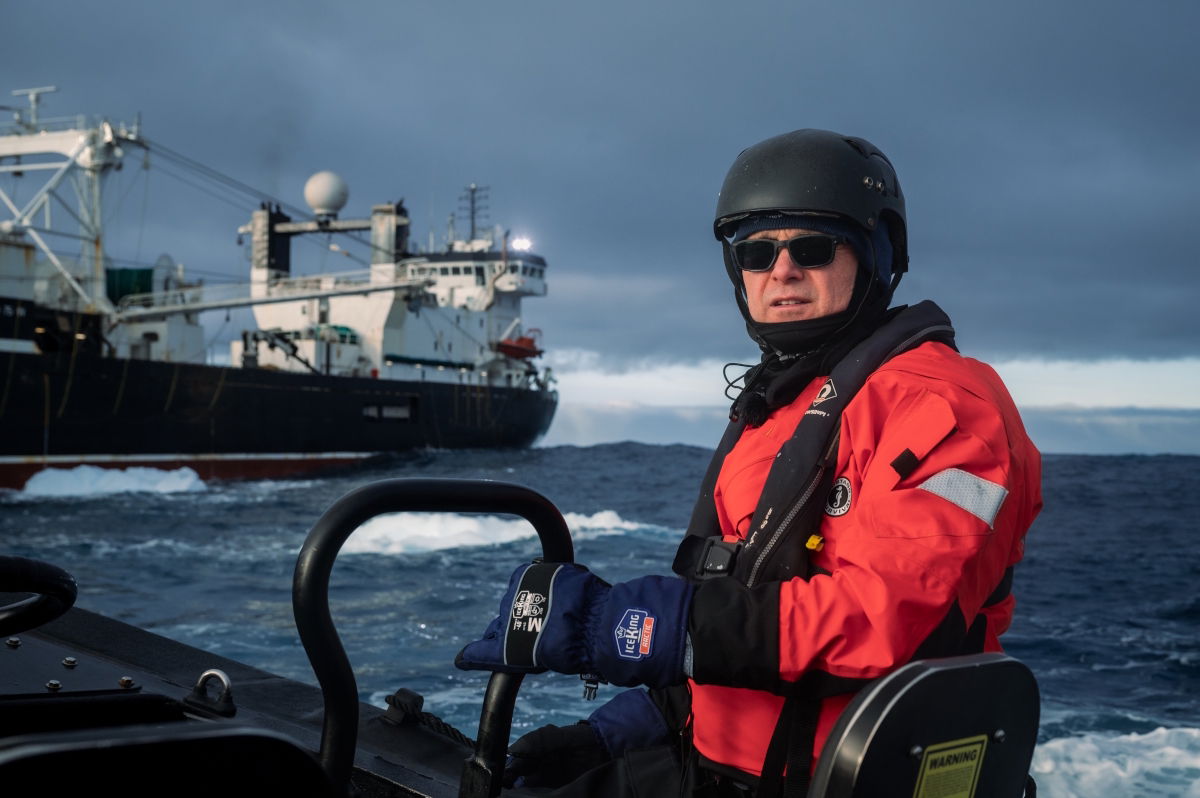
Sea Shepherd’s frontline defender
CAPTAIN ALEX CORNELISSEN
Returning to Antarctica this year with Sea Shepherd, Cornelissen continues to lead a campaign to expose the environmental risks of krill fishing and transshipments in the Southern Ocean. His decades of frontline marine conservation continue to hold illegal and exploitative operations to account.
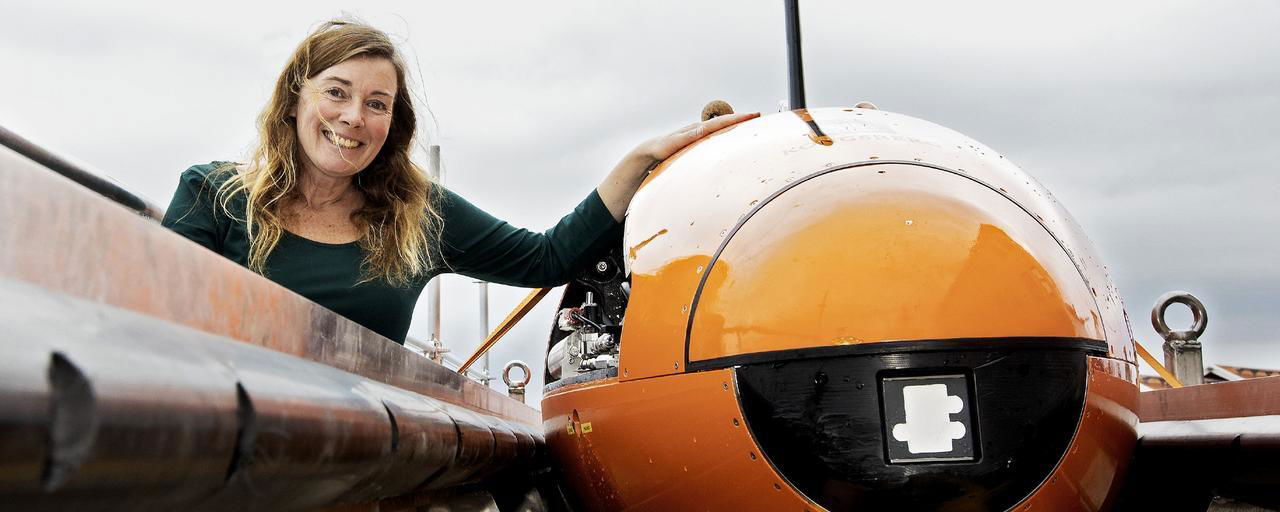
Researcher on the Antarctic and Polar Seas
PROFESSOR ANNA WÅHLIN
Wåhlin led the breakthrough mission deploying the RAN autonomous underwater vehicle beneath the Dotson Ice Shelf, producing the first detailed maps of its underside. Her findings offer game-changing insights into glacial melt and its drivers.
Antarctic explorer and climate scientist
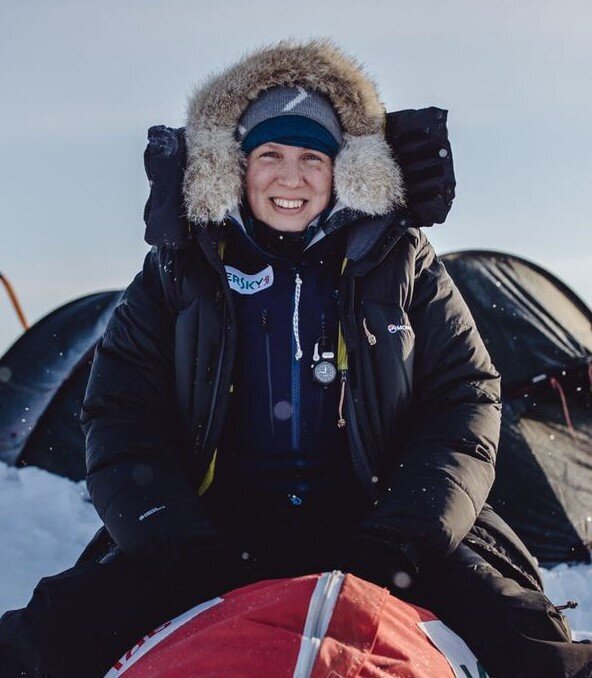
FELICITY ASTON
The first woman to cross Antarctica solo, Felicity Aston completed the final leg of the “B.I.G. (Before It’s Gone) Arctic Research Expedition” last year—collecting vital environmental samples in the Canadian Arctic. She continues to champion polar science and diversity in exploration through speaking, writing, and public engagement.

Antarctic geophysicist
DR JAMIN S GREENBAUM
With 19 polar expeditions and groundbreaking airborne sensing technologies, Greenbaum is a leader in understanding how Antarctica’s ice sheet is melting. His international collaborations and innovative tools are reshaping how we predict global sea-level rise.
Glacier biochemist, adventurer, and author
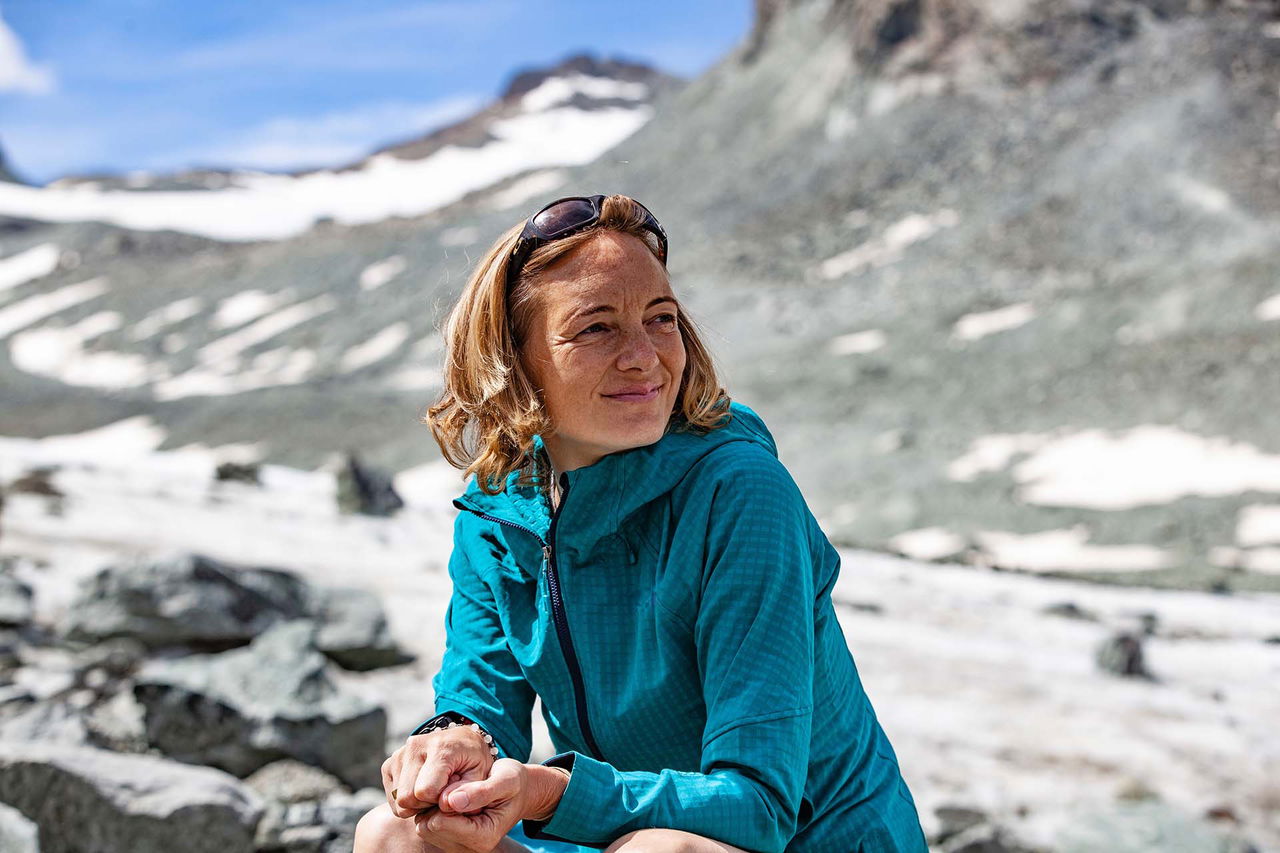
PROFESSOR JEMMA WADHAM
Now leading the Centre for Ice, Cryosphere, Carbon and Climate
in Tromsø, Wadham’s research is uncovering how melting glaciers may release vast stores of ancient carbon. A trailblazer in polar science and a powerful science communicator, she also overcame a life-threatening brain tumour while continuing to lead world-class research.
Conservationist, Marine Biologist and Photographer
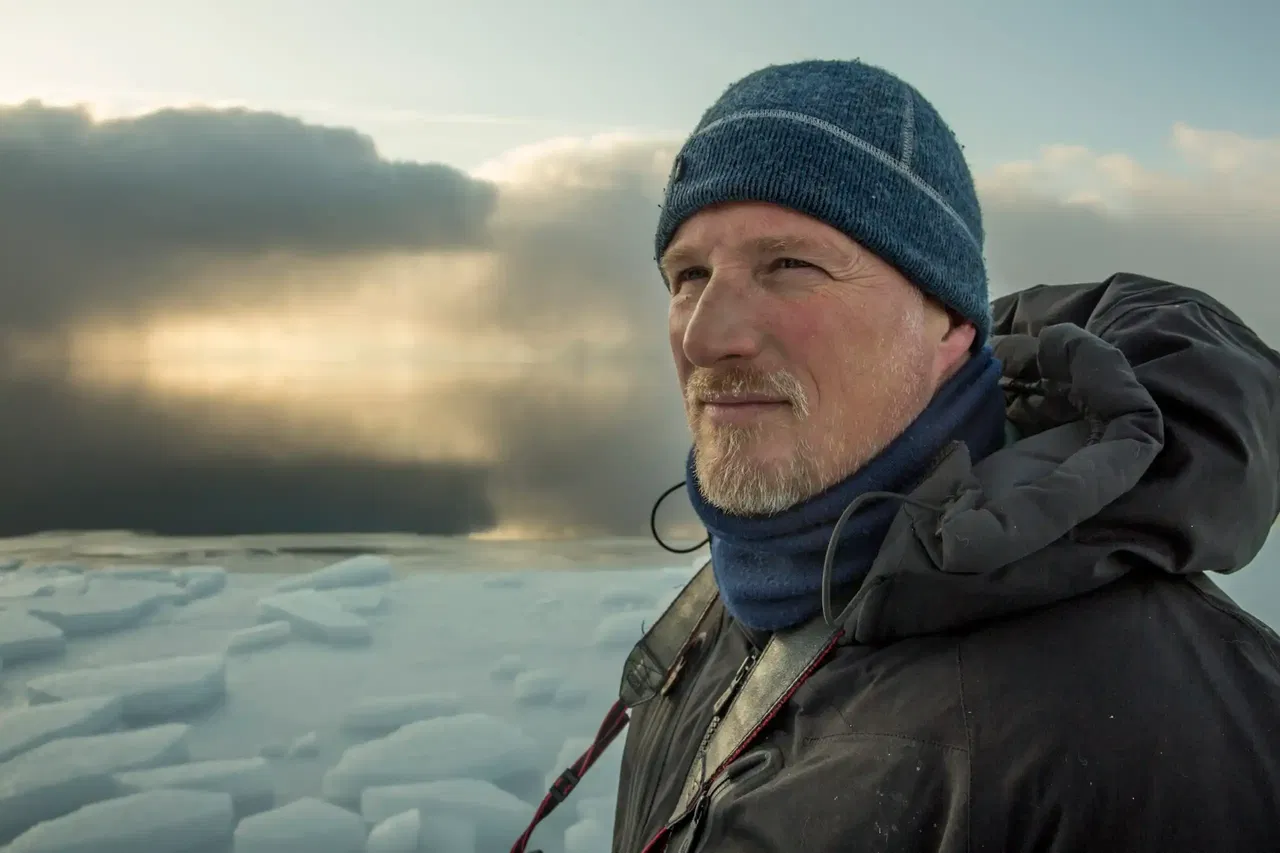
PAUL NICKLEN
Co-founder of SeaLegacy, Nicklen continues to use breathtaking imagery to shift public perception of the ocean’s importance. His exhibition Reverence and the global storytelling initiative
100 For The Ocean are inspiring audiences to act.
Climate scientist and Arctic Report Card Lead Editor
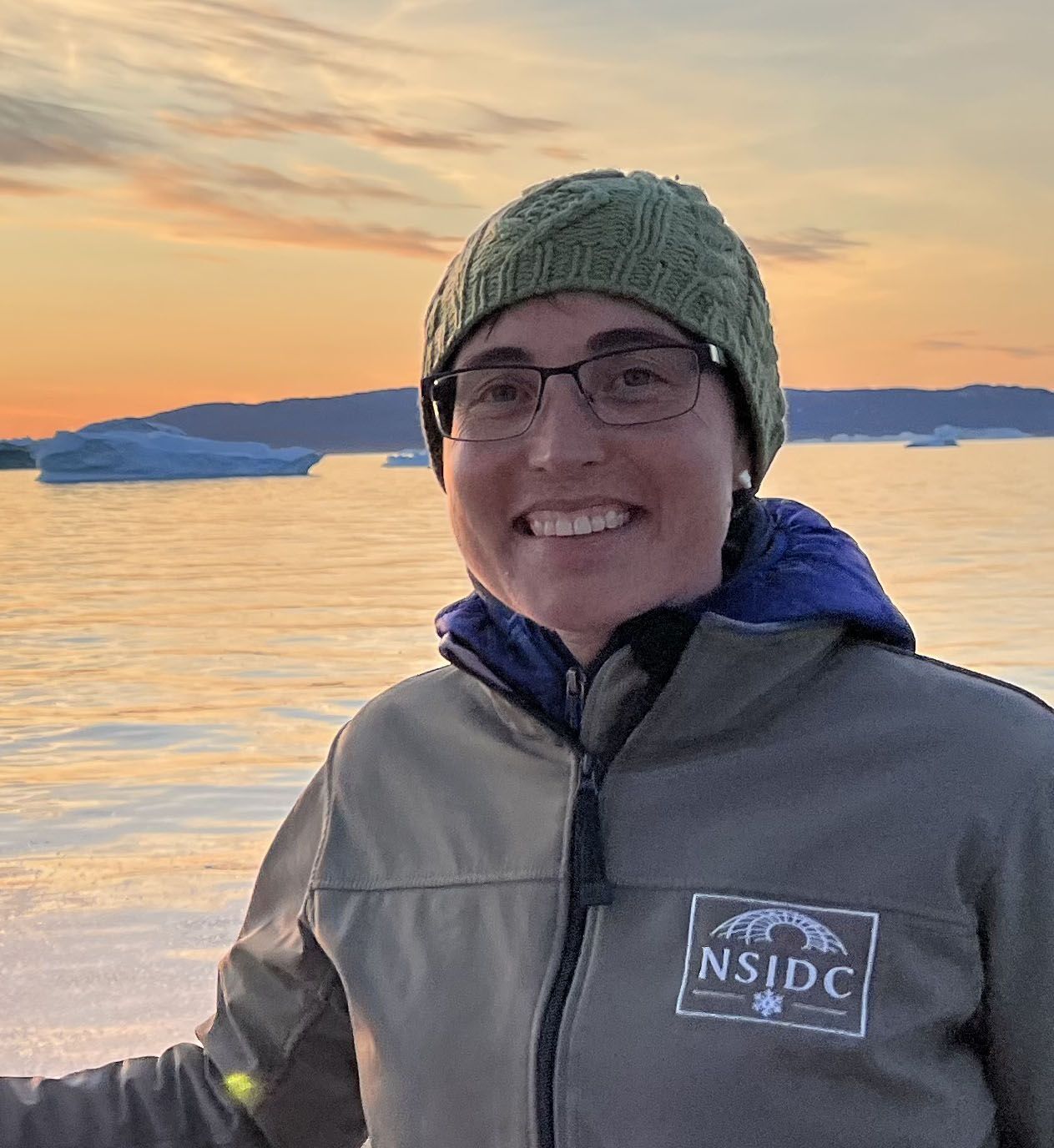
DR TWILA MOON
As lead editor of NOAA’s Arctic Report Card, Moon coordinated 97 scientists across 11 countries to assess the state of the Arctic in 2024 - concluding that the region is now emitting more carbon than it stores. Her work bridges climate science and policy at the highest levels.
TODAYS POLAR ENVIRONMENTAL EMERGENCIES
WHY THE SHACKLETON MEDAL MATTERS MORE THAN EVER
.01
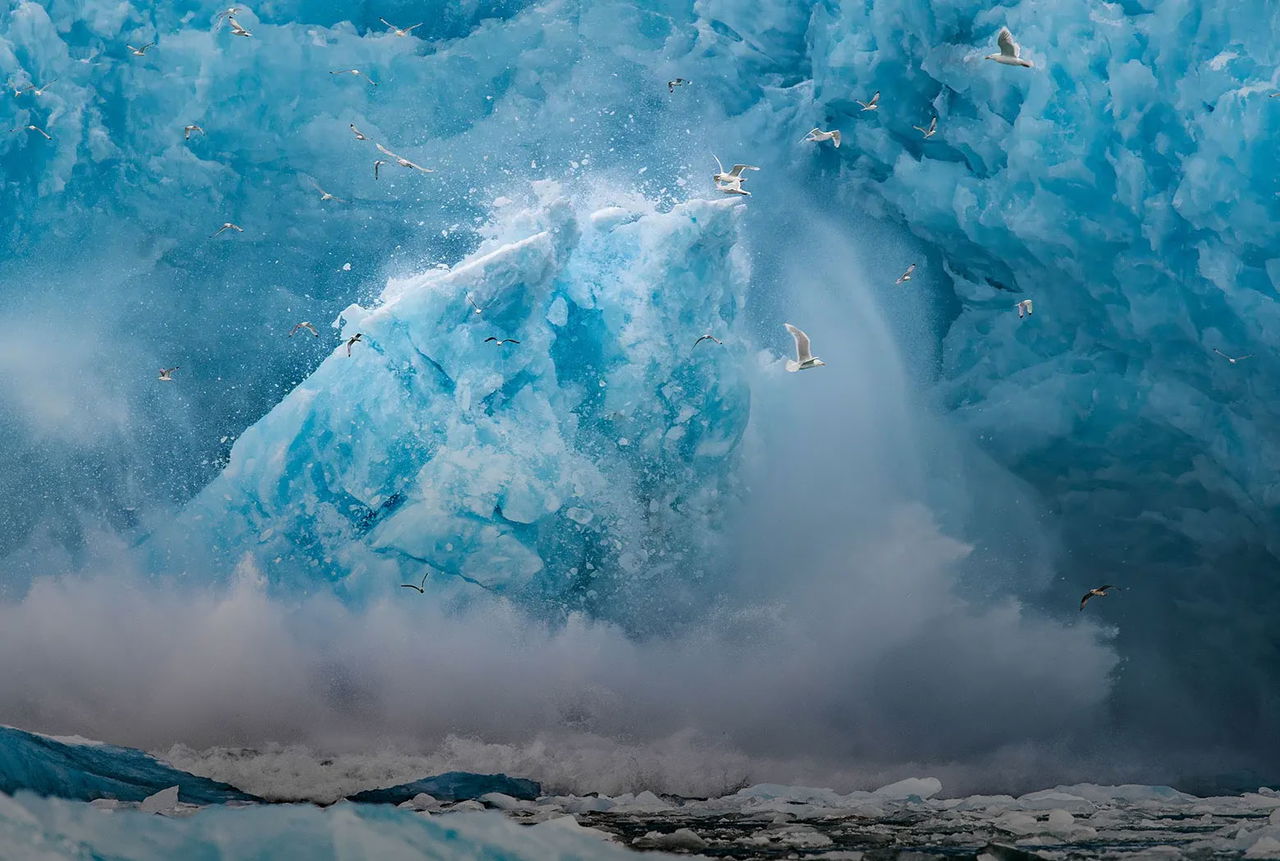
Record numbers of storms in the Antarctic because of declining sea ice
.02
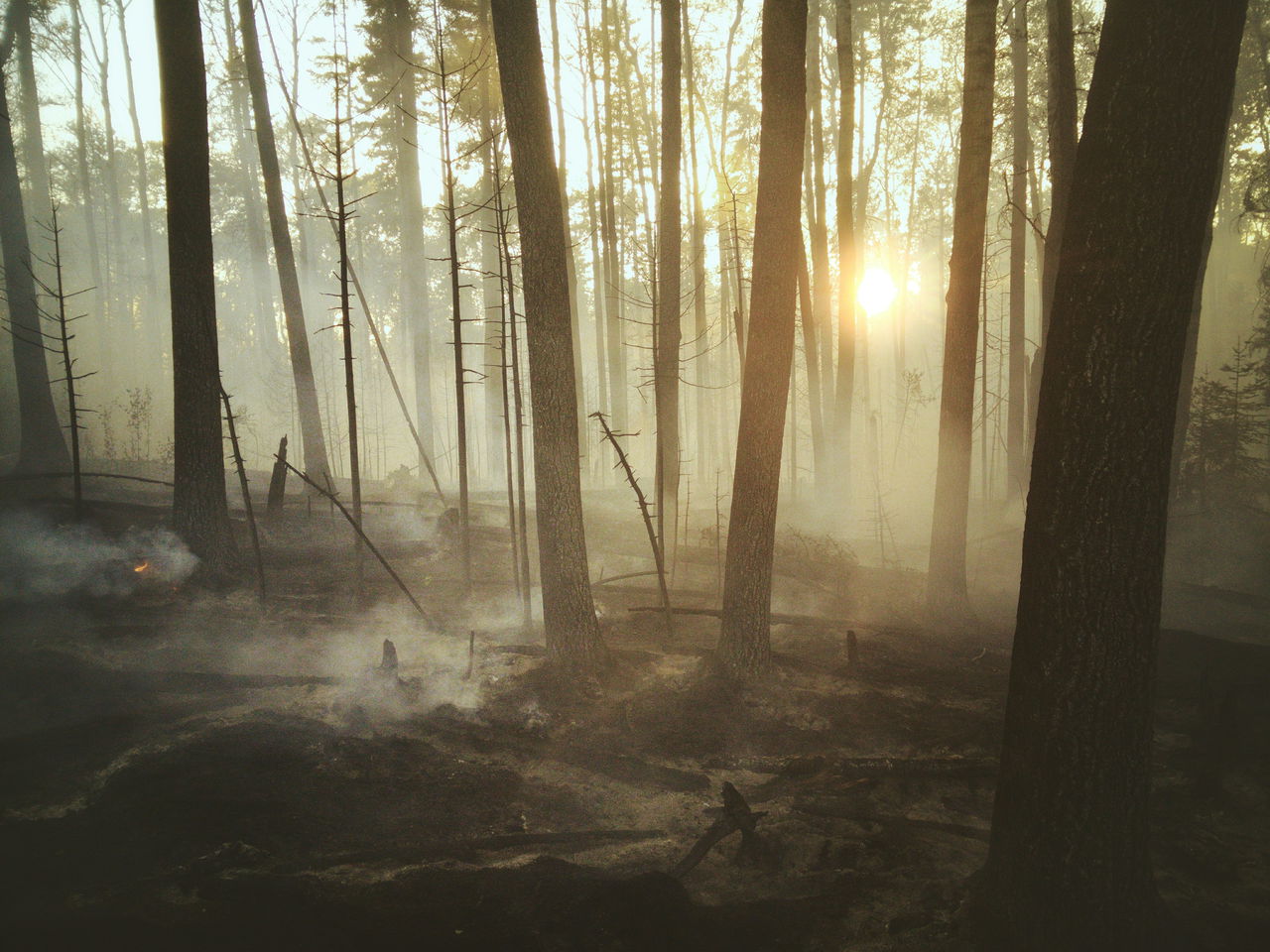
More wildfires and melting permafrost in the Arctic – now the region releases more carbon than it captures
.03
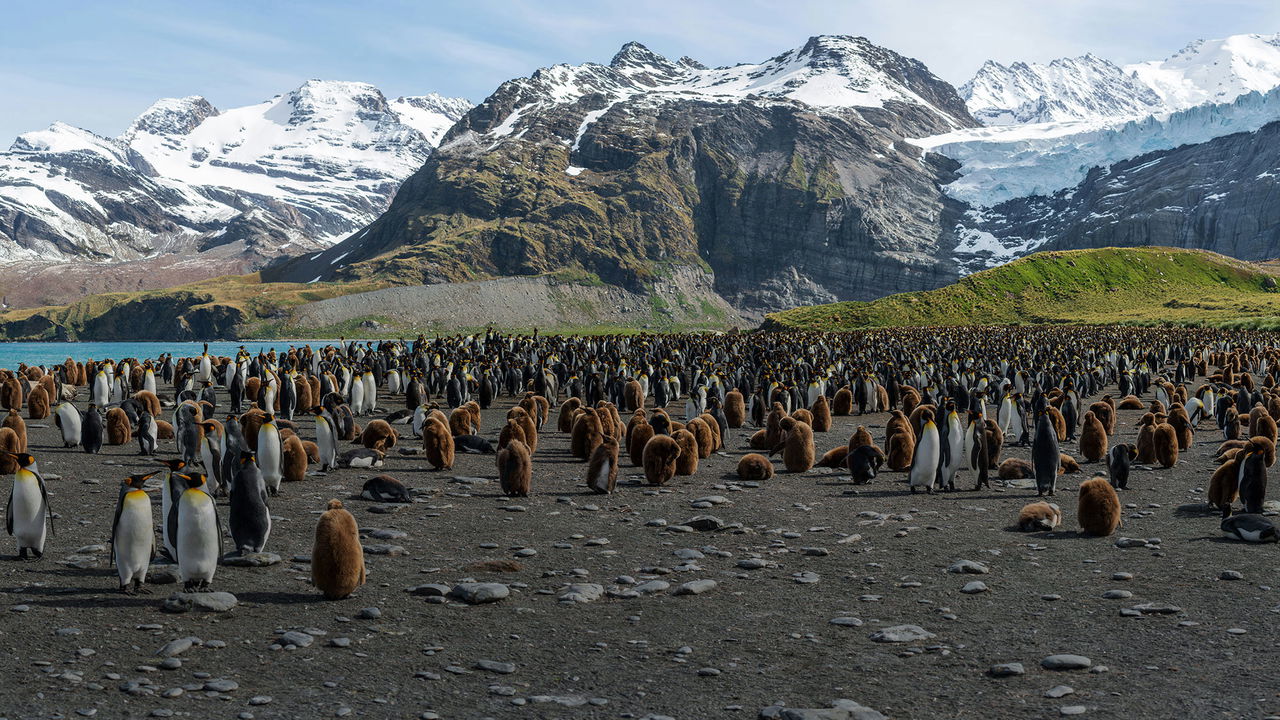
Ten times more greening in the Antarctic than four decades ago, heightening the danger of invasive species
.04
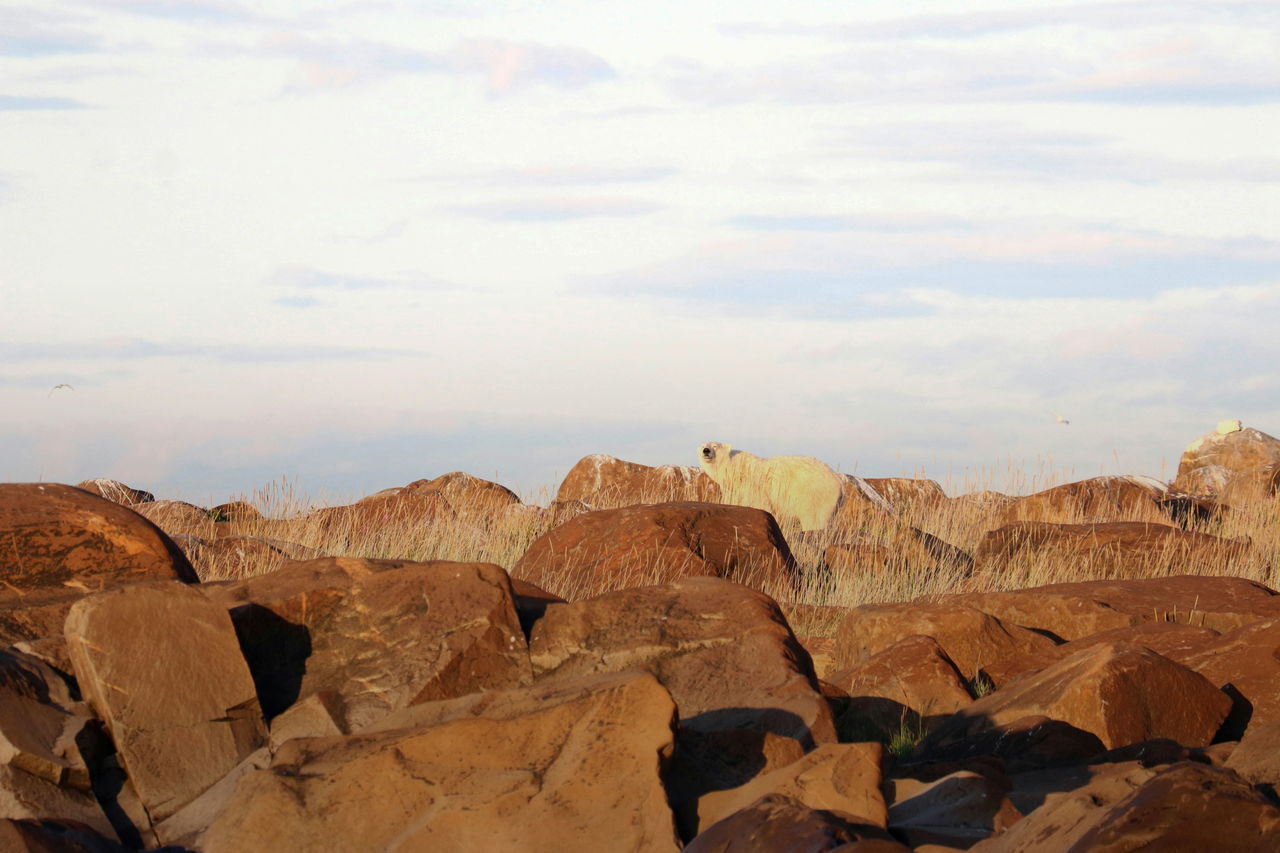
The shortest snow season in quarter of a century in Arctic Canada
.05
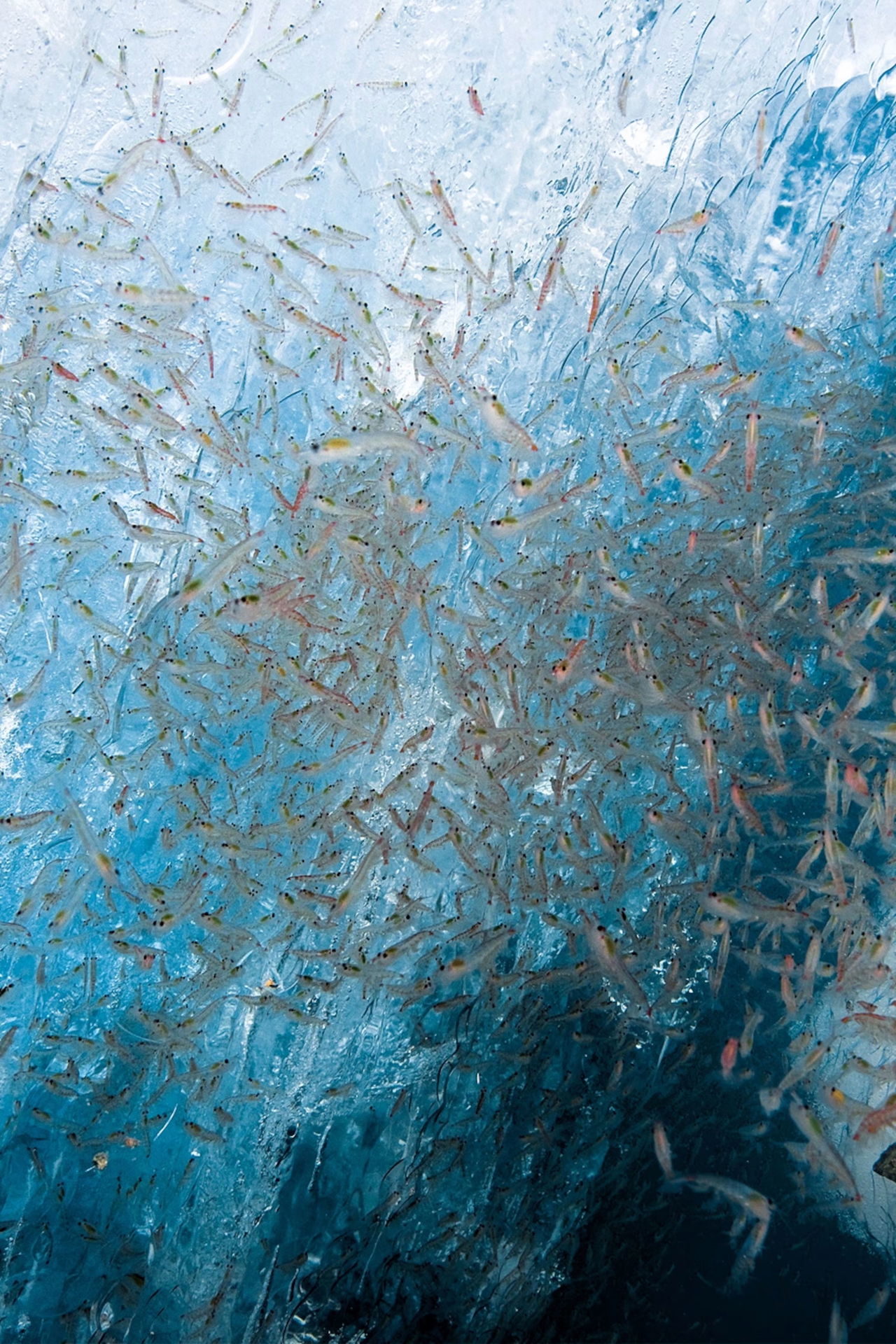
Shrinking krill populations in the Southern Ocean as the sea ice melts
.06
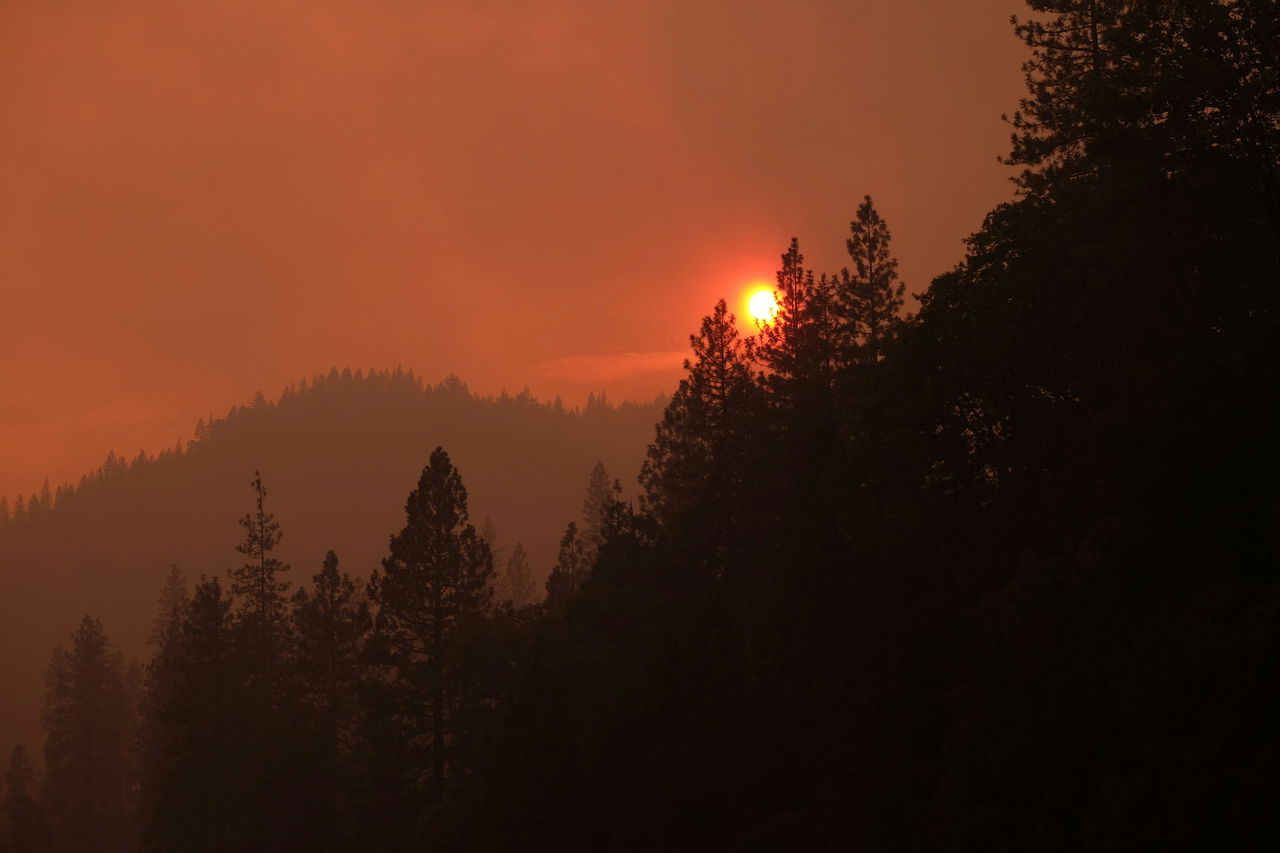
Links between melting sea ice in the Arctic and the Los Angeles fires
.07
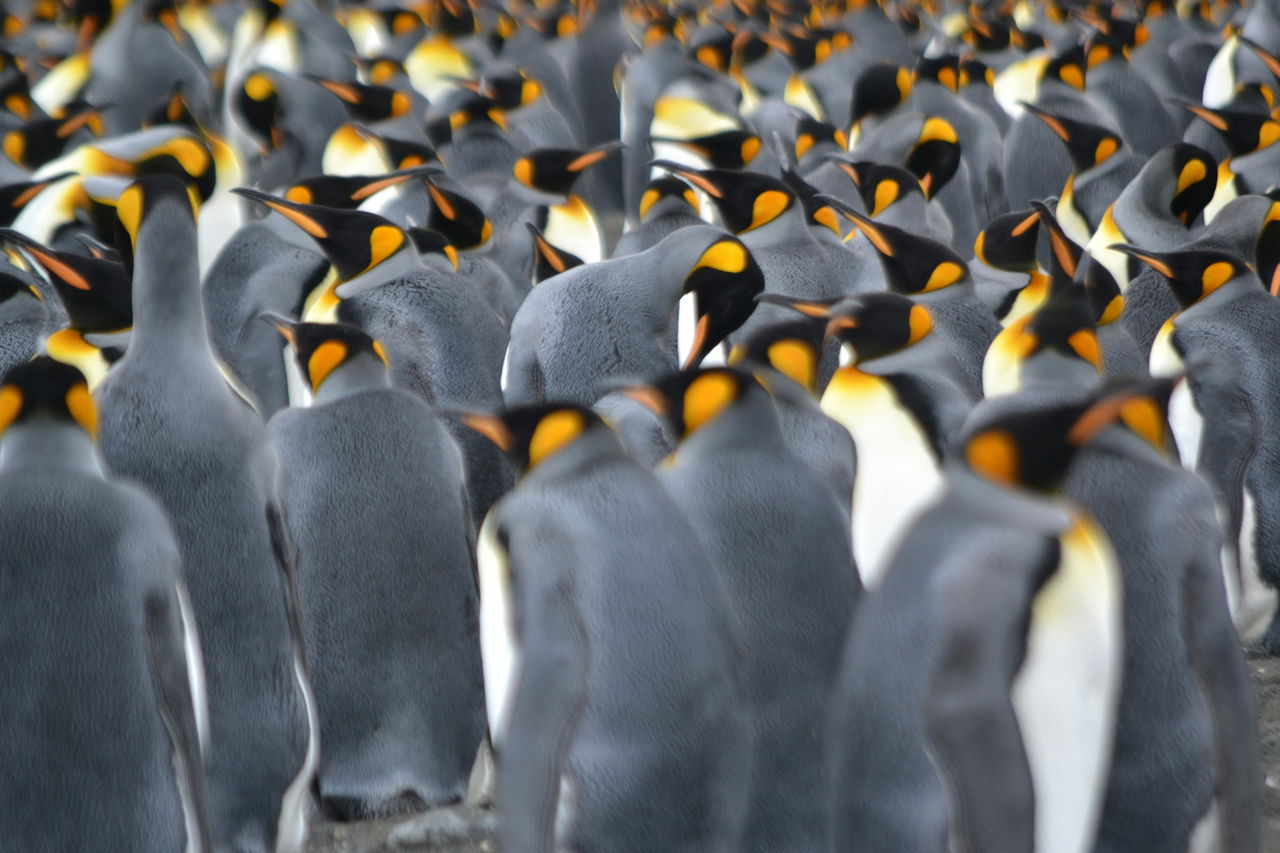
The continuing alarming decline of penguin colonies
.08
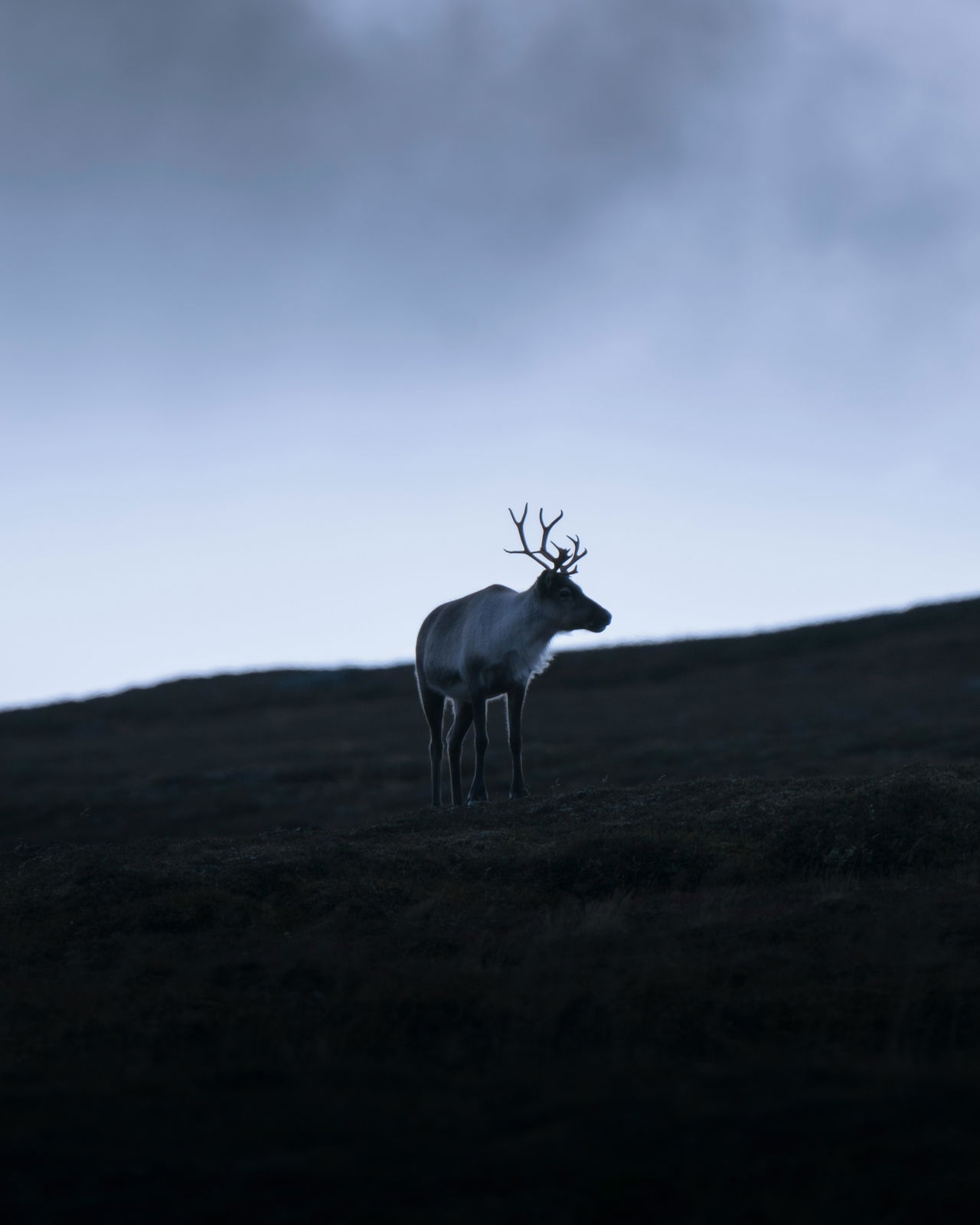
The dropping of Arctic caribou populations by 65% since 30 years ago
.09
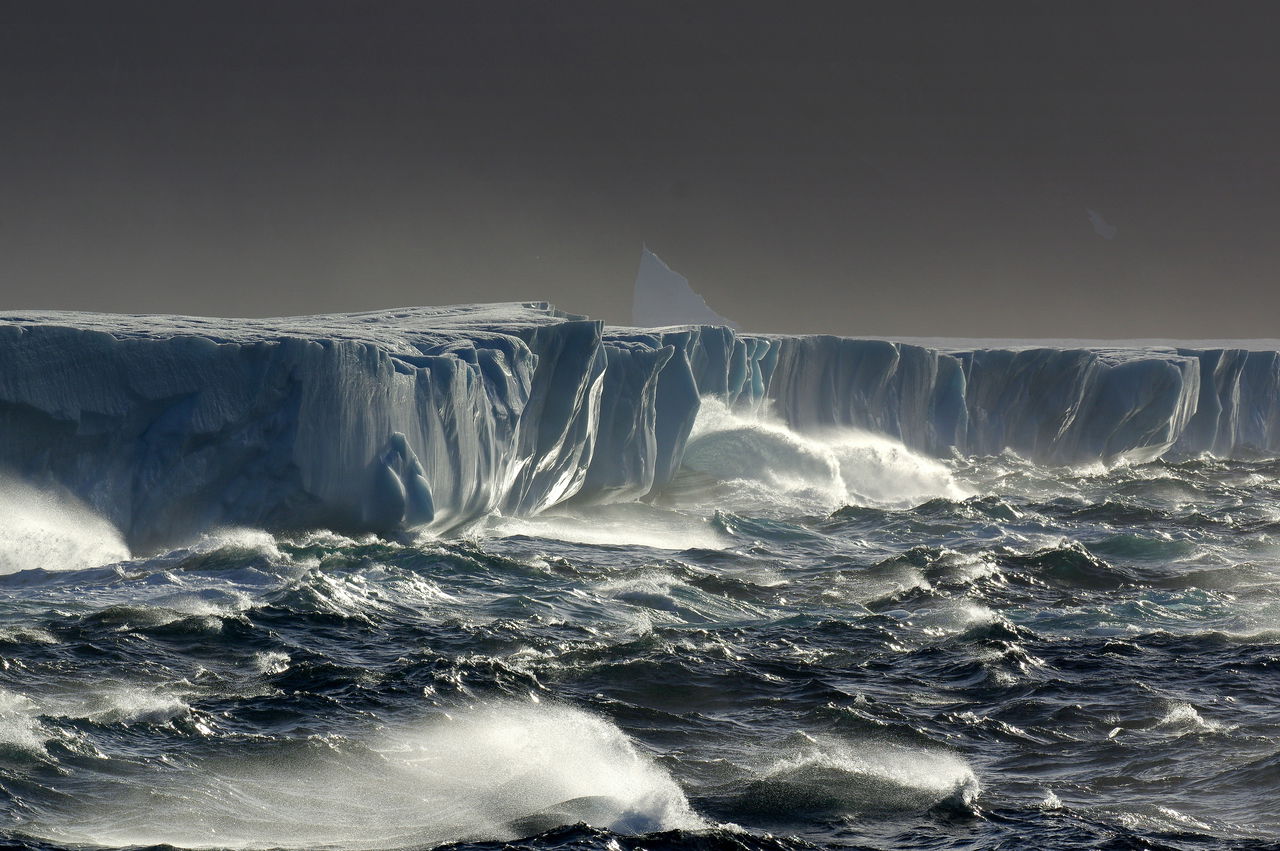
A record heatwave in the heart of the Antarctic winter
.10
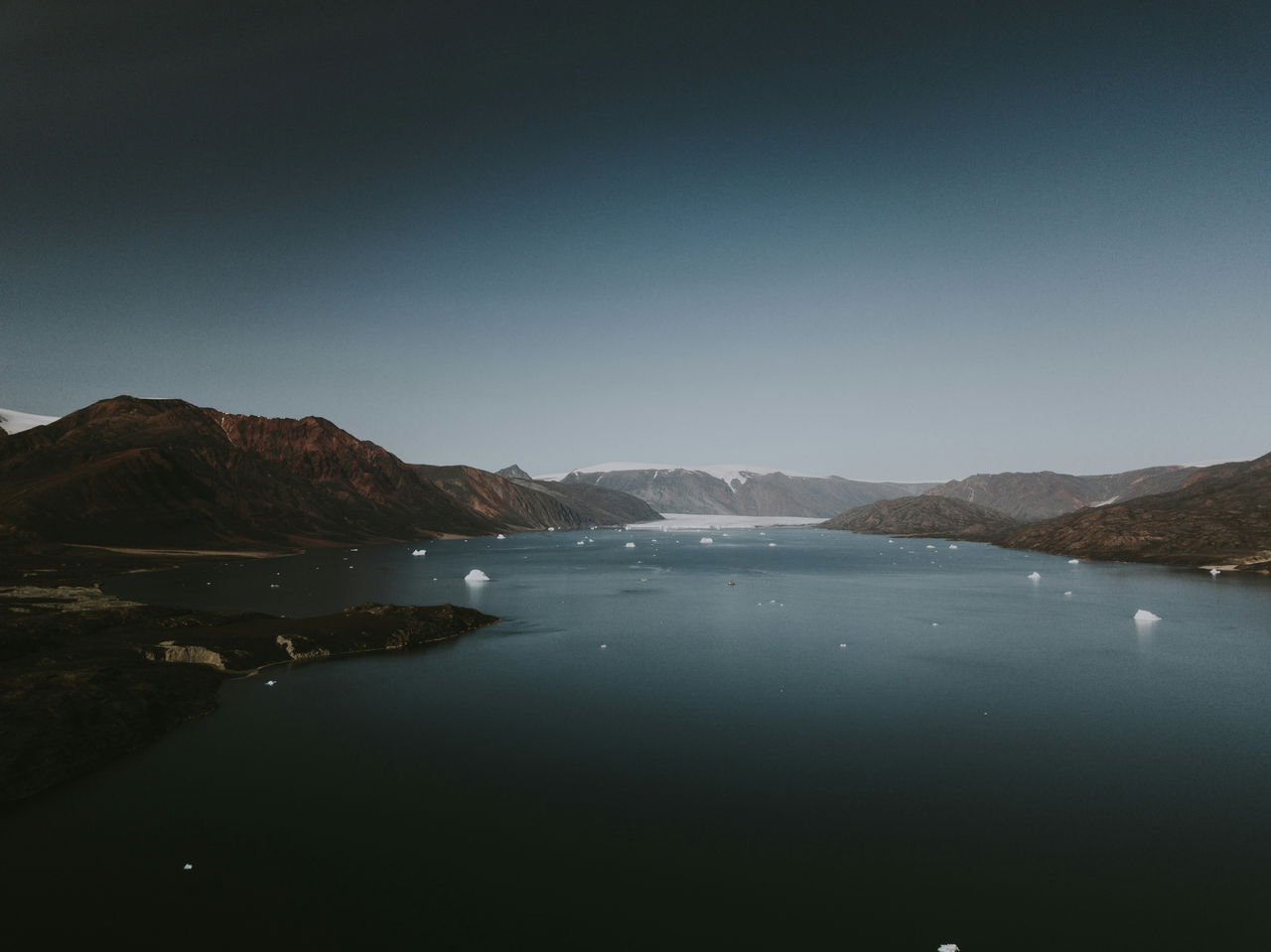
The Greenland ice sheet - which holds 7% of the world's fresh water – hit its lowest mass singe 2013
SHACKLETON MEDAL WINNER 2026.
ROMAIN TROUBLÉ
MICROBIOLOGIST AND LEADER OF THE TARA POLAR STATION PROJECT
Troublé won the judges approval for his vision of a futuristic vessel with a geodesic dome that has been designed to drift in polar sea ice all year round. Scientists will be able to study one of the fastest changing environments on the planet in the Tara Polar Station, which contains six laboratories, a central moon pool that allows researchers to take samples directly from the ocean, underwater and aerial drones, and a sauna to keep spirits up. Troublé is a respected microbiologist and award-winning sailor who first worked in the polar regions as part of a team that dug up a woolly mammoth in Siberia. He has been working on the design and funding for the Tara Polar Station which can withstand temperatures as low as -52 degrees Celsius for eight years.
Read the full interview
THE MOST SIGNIFICANT ENVIRONMENTAL EMERGENCIES OF 2025
WHY POLAR PROTECTION
MATTERS MORE THAN EVER.
.01
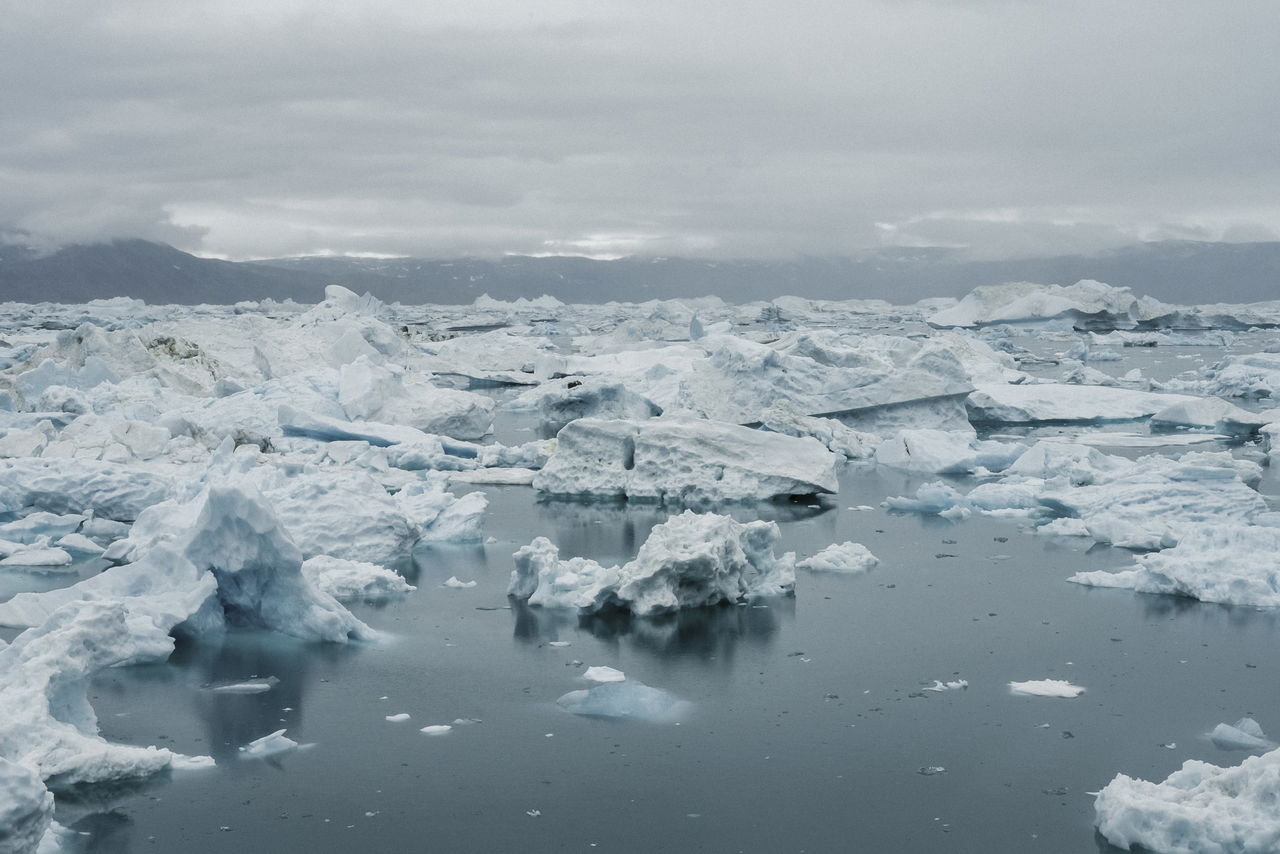
2025 was the warmest year on record for oceans. The heat increase since 2024 was around 39 times as much as the total energy produced by all human activities.
Source: Carbon Brief
.02
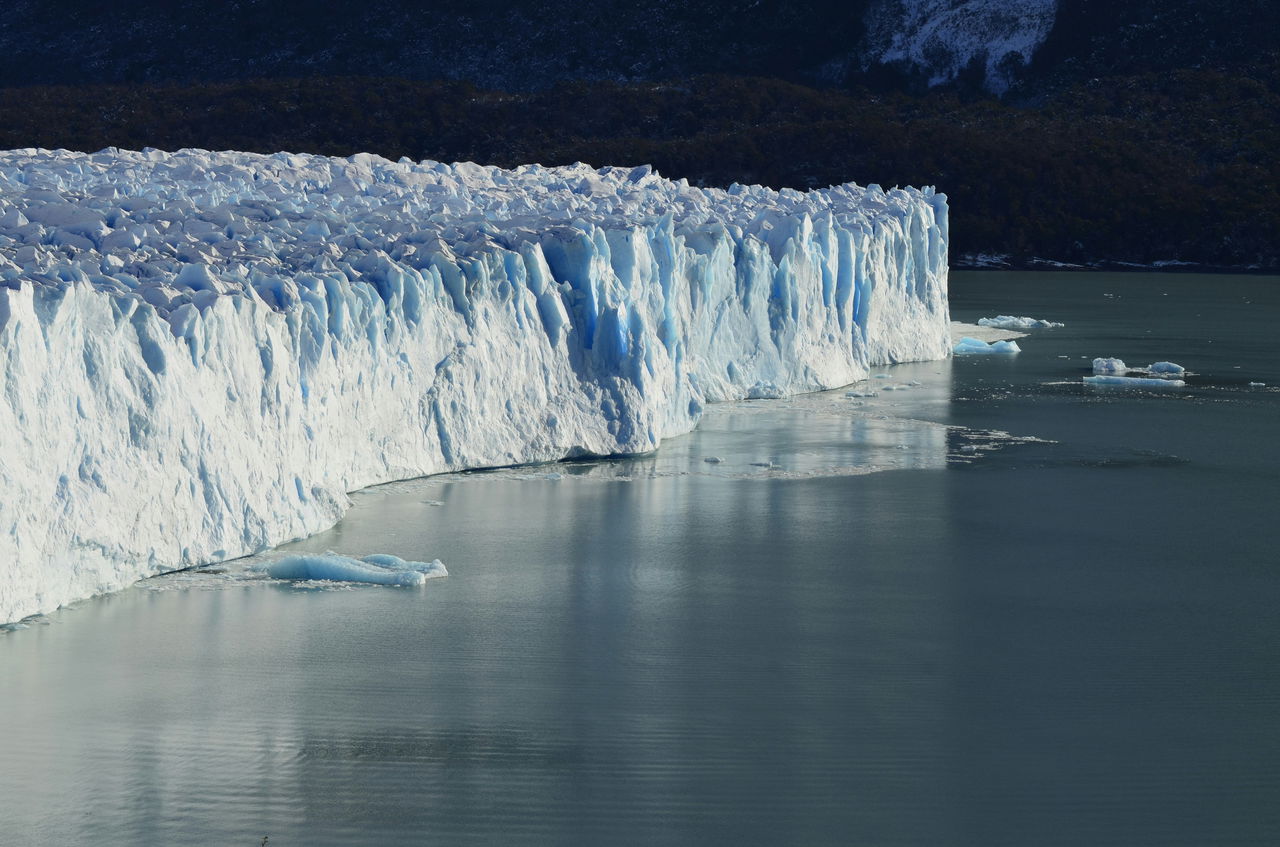
Ice loss from the world’s glaciers and from the Greenland ice sheet reached a new record high in 2025, contributing to sea level rise.
Source: Global Climate Risk
.03
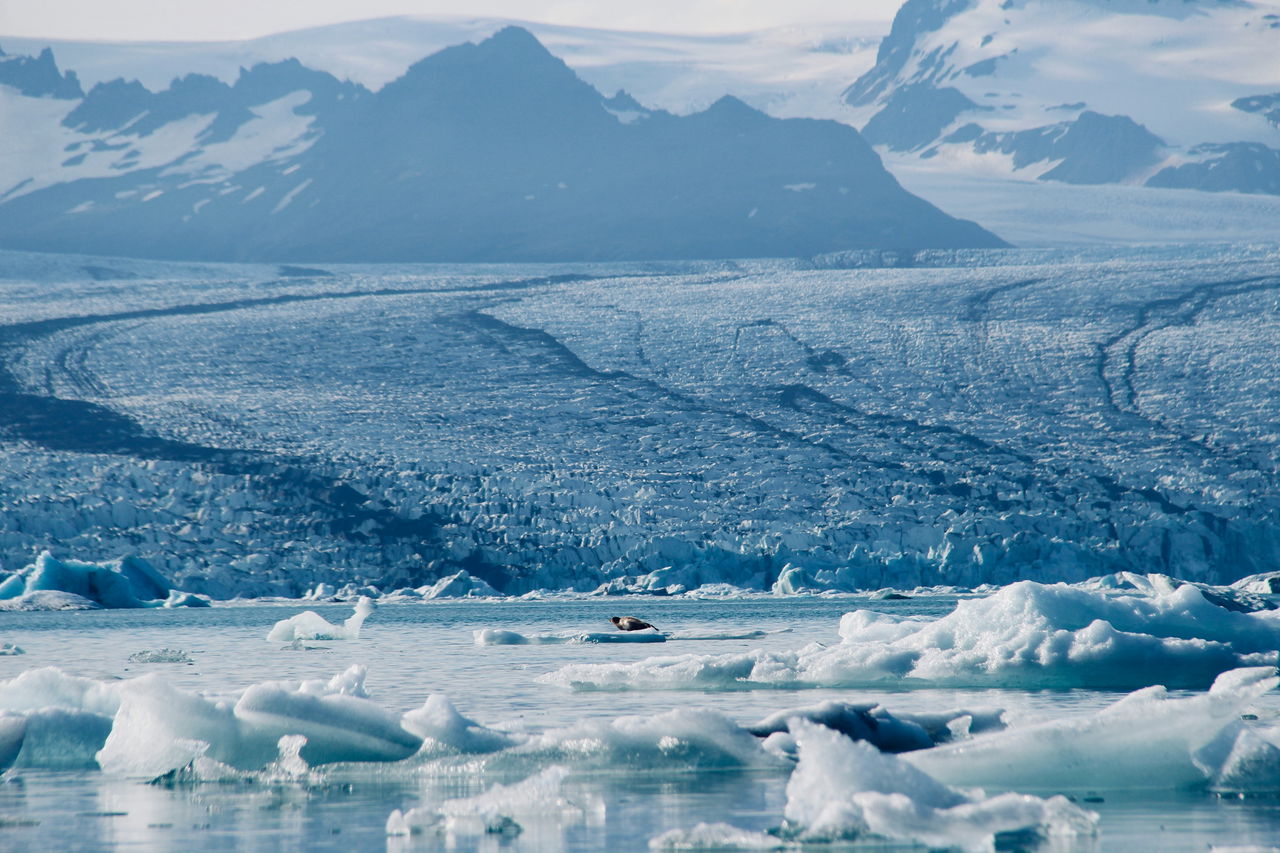
Hooded Arctic seals moved closer to extinction.
Source: IUCN (International Union for Conservation of Nature)
.04
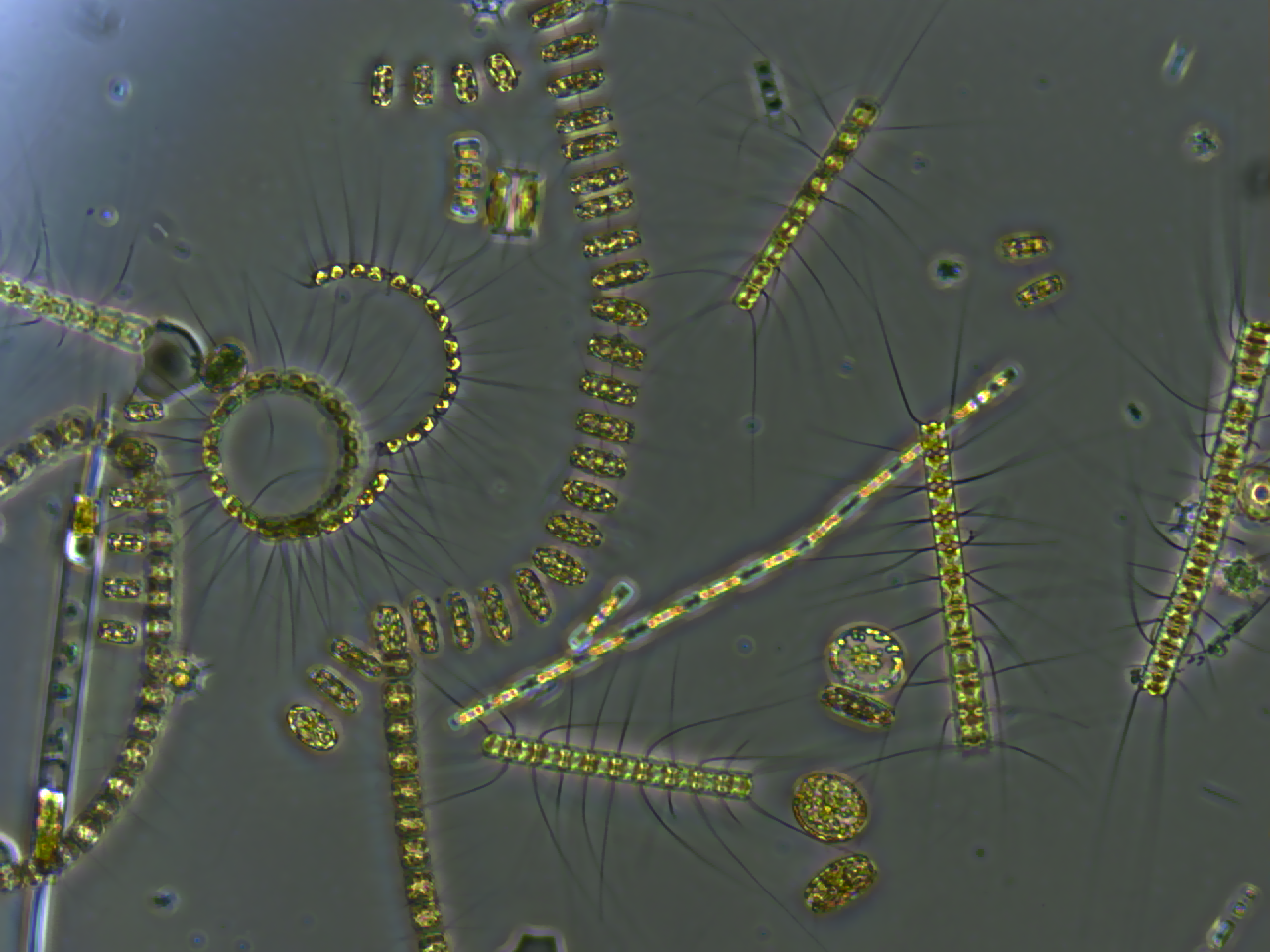
There was a catastrophic decline in phytoplankton – the food for krill – due to ocean warming and acidification in the Antarctic.
Source: The Guardian
.05
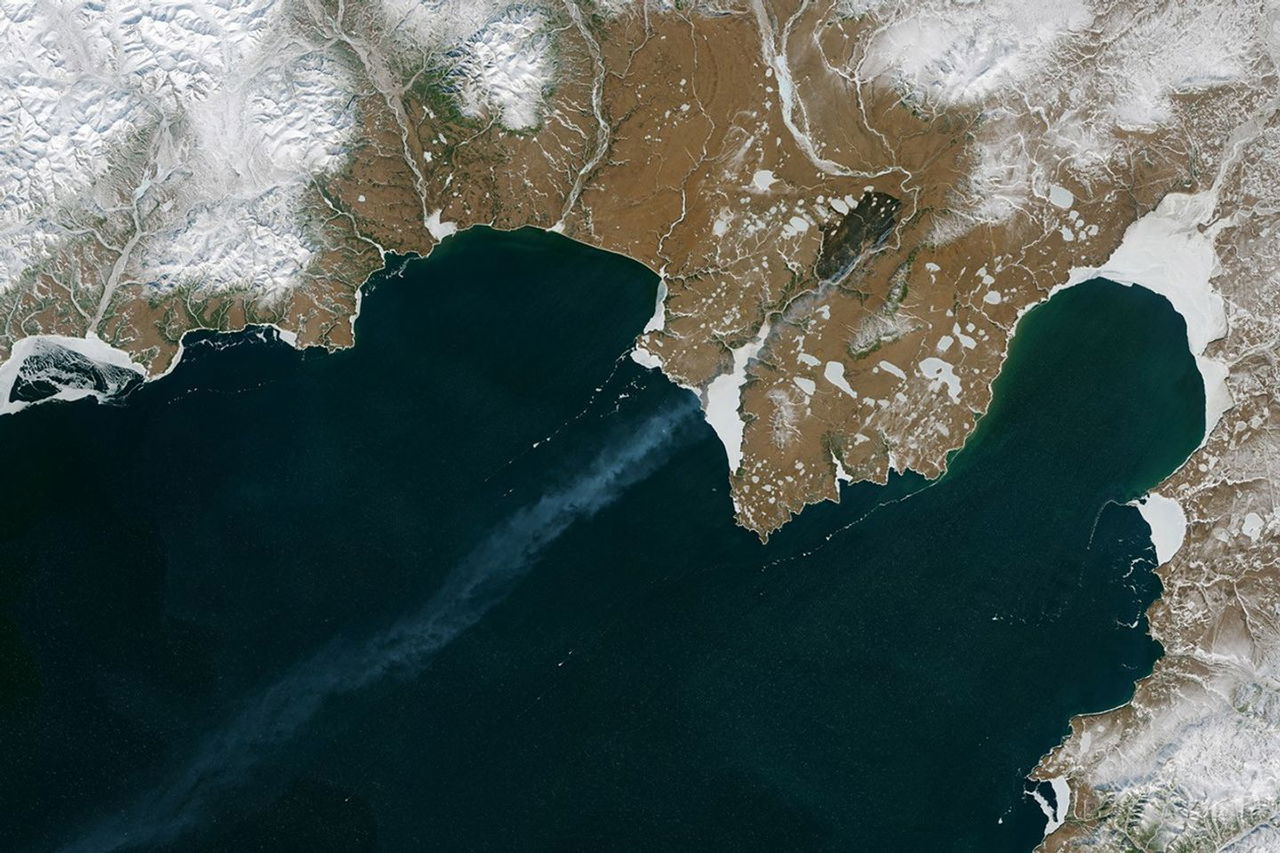
Lightning is occurring further north in the Arctic region, leading to increased numbers of wildfires.
Source: NASA
.06
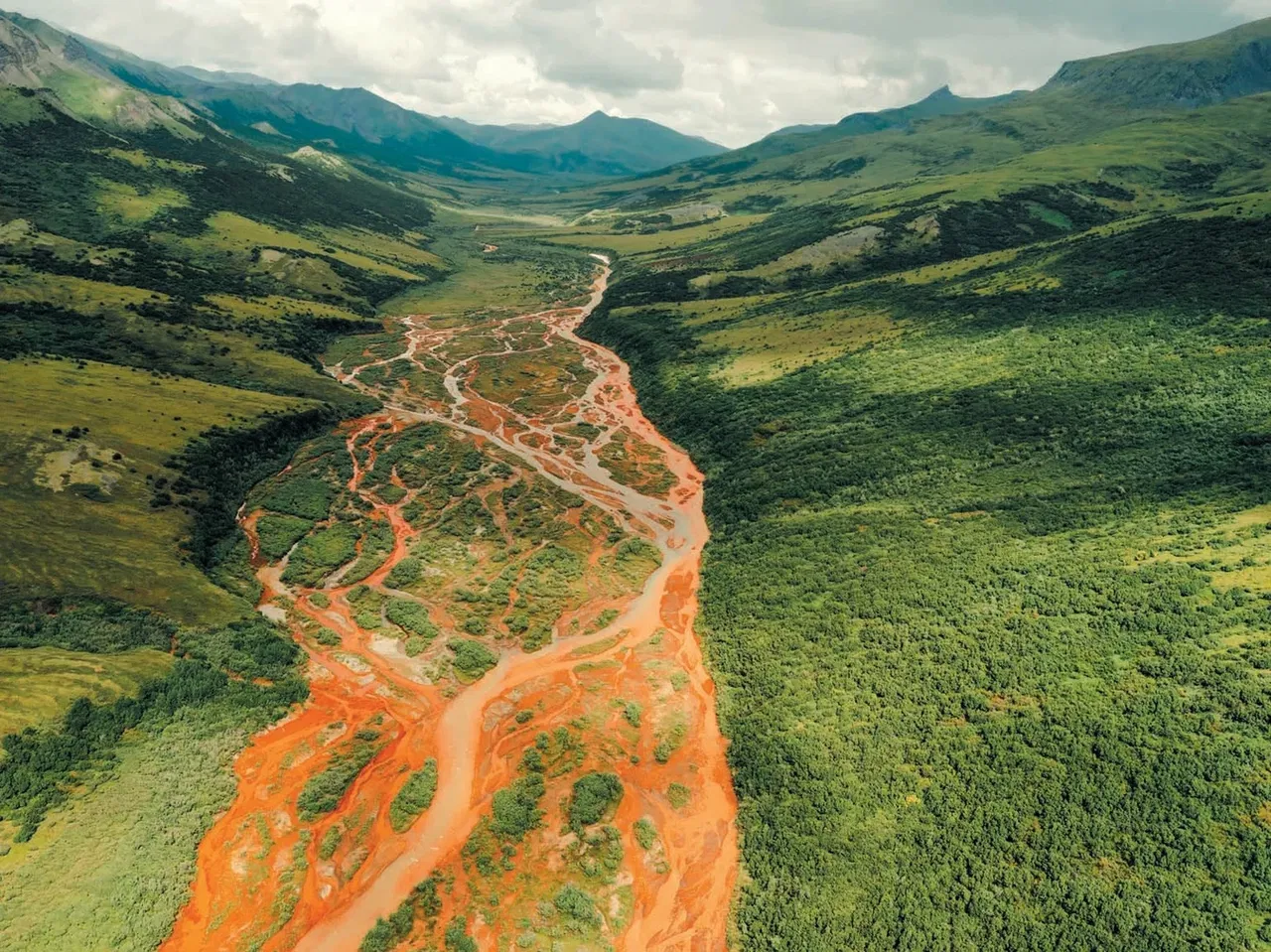
Rusting rivers – caused by the release of iron and other minerals as permafrost melts – are on the rise, with more than 200 watersheds across Alaska showing discolouration.
Source: The Conversation
.07
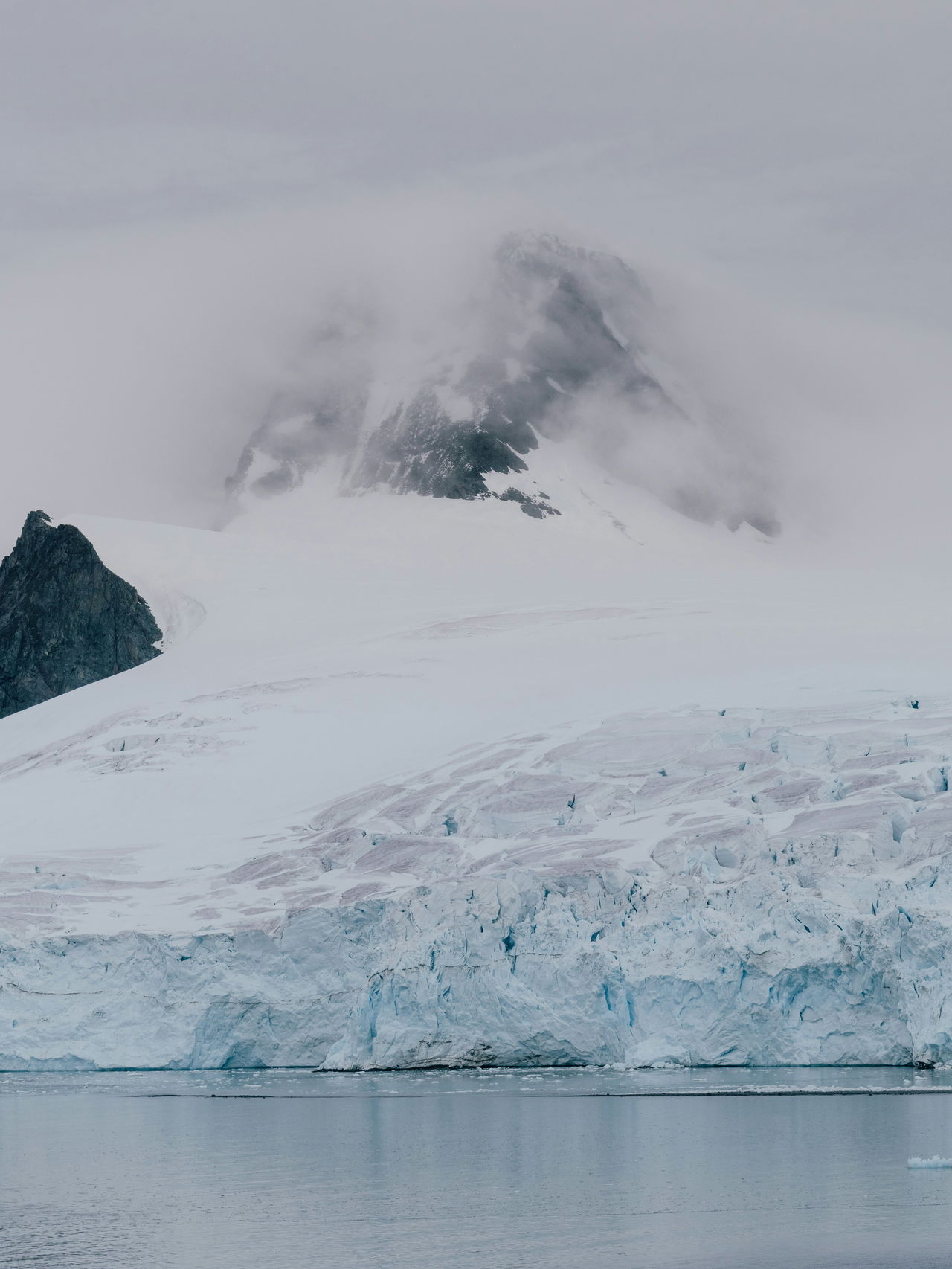
Melting sea ice in the Antarctic is causing a pronounced slowdown in deep ocean circulation.
Source: BBC
THE JUDGES
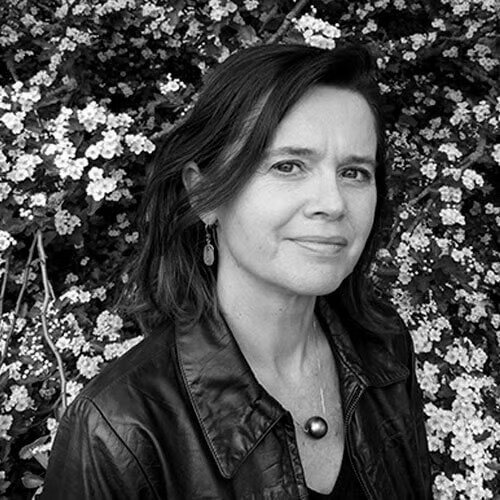
PROFESSOR OF CREATIVE WRITING AT THE UNIVERSITY OF EAST ANGLIA
PROFESSOR JEAN MCNEIL
Professor Jean McNeil is an award-winning literary writer who has written extensively about the environment and climate change. She has been a writer-in-residence in the Falkland Islands, Antarctica, Svalbard and Greenland. Her fourteen books include seven novels and collections of short fiction. She has won numerous awards including the Prism International Competition for short fiction and creative non-fiction. Jean is Professor of Creative Writing at the University of East Anglia, where she coordinates the School of Literature, Drama and Creative Writing’s international programmes. As well as this she leads its research pillar Developing resilience through climate narrative. Her Ice Diaries: An Antarctic Memoir was winner of the Grand Prize at the Banff Mountain Film Festival Book Competition in 2016 and was chosen as one of the best nature books of 2018 by The Guardian.
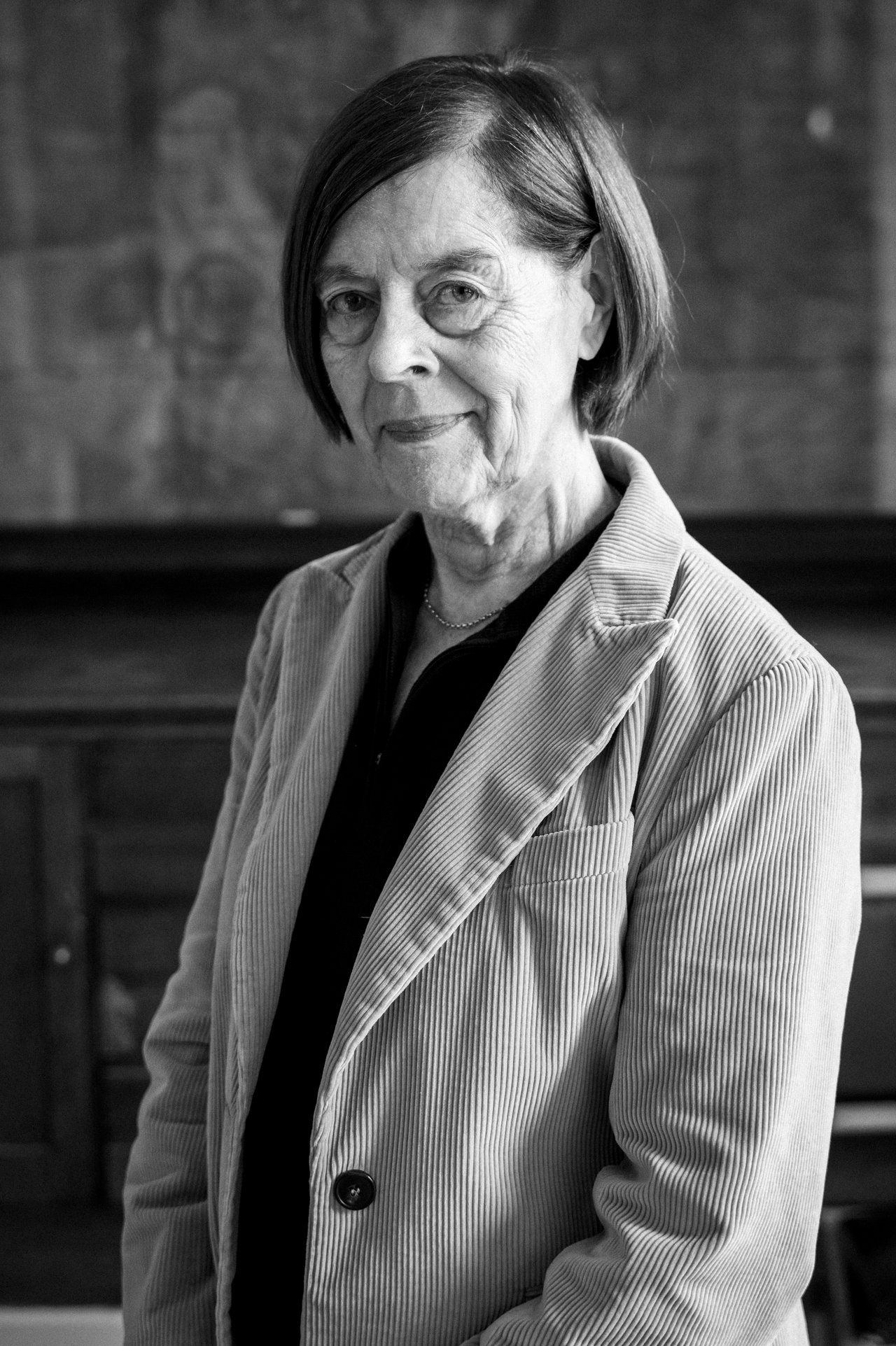
PRESIDENT OF THE JAMES CAIRD SOCIETY
THE HON. ALEXANDRA SHACKLETON
Alexandra Shackleton is the granddaughter of Ernest Shackleton and President of the James Caird Society. She is a passionate advocate for continuing the legacy of her grandfather and promoting research in the areas that fascinated him. Her work includes making a film in Ireland about the cabin where Ernest Shackleton died. She has given speeches around the world in his memory – many of which have been to maintain her grandfather’s close links with Chile – and has been the patron of numerous expeditions and research projects. She has also launched two ships and four boats.
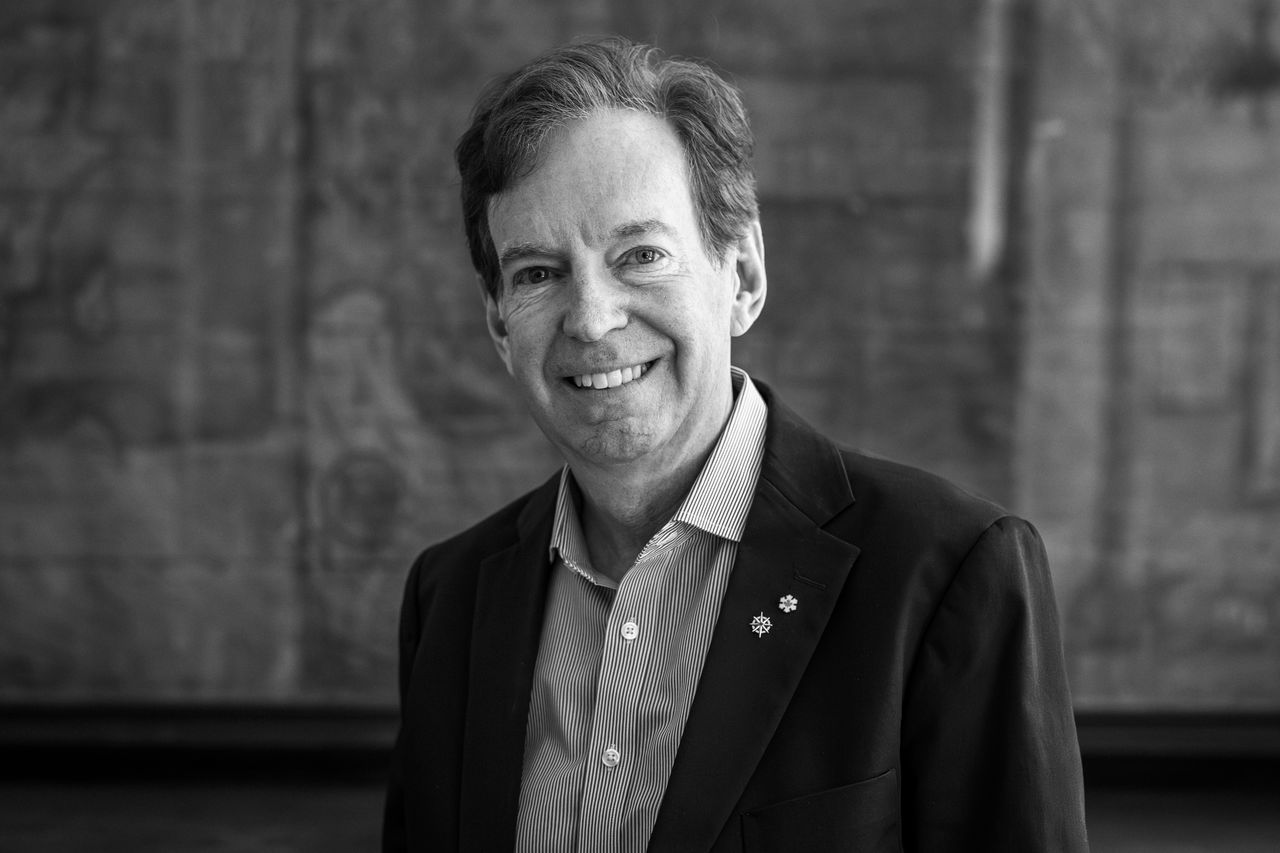
CHIEF EXECUTIVE OF THE ROYAL CANADIAN GEOGRAPHICAL SOCIETY
JOHN GEIGER
John Geiger was appointed Chief Executive Officer of The Royal Canadian Geographical Society and Canadian Geographic Enterprises in 2013. He is also the internationally bestselling author of seven books, including Frozen In Time: The Fate of the Franklin Expedition, The Third Man Factor: Surviving the Impossible, and Chapel of Extreme Experience: A Short History of Stroboscopic Light and the Dream Machine. William S. Burroughs called him “a fellow writer of exploration literature.” His work has been translated into fourteen languages. In 2018 he was made Honorary Fellow of the Royal Scottish Geographical Society and Honorary Member of the James Caird Society. In 2021, Geiger was awarded the Order of Canada, in 2023 he received the RCA Medal from the Royal Canadian Academy of Arts, and in 2024 he was made a Commander of the Order of Civil Merit by the King of Spain.
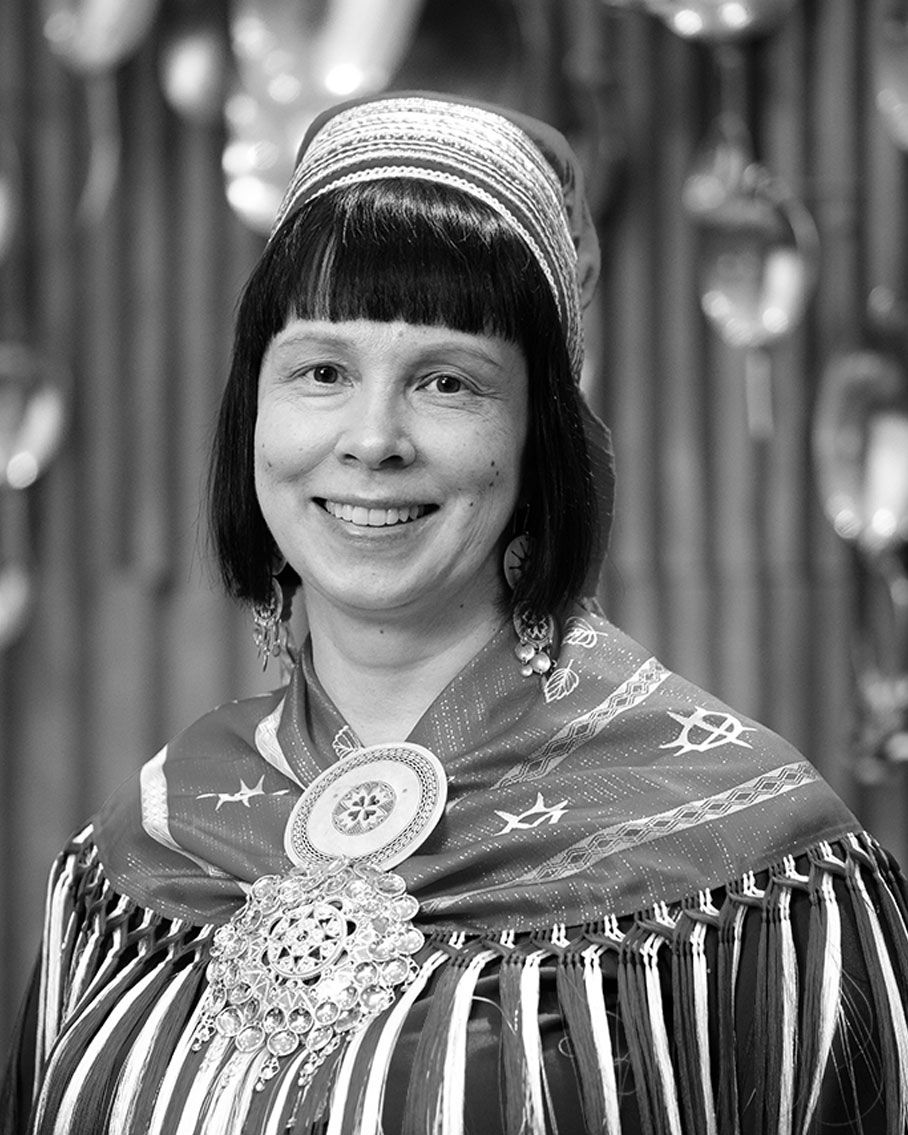
PRESIDENT OF THE SÁMI PARLIAMENT
PIRITA NÄKKÄLÄJÄRVI
Pirita Näkkäläjärvi is the President of the Sámi Parliament in Finland. She has a unique career combining Indigenous rights advocacy and global business. She is a third term elected member of the Sámi Parliament in Finland and a member of the Inari municipal council from the Greens’ list (independent). She worked as the Editor and Head of Yle Sápmi (the Sámi-language operations of the Finnish Broadcasting Company Yle) from 2012–2016. She has also worked along the Mergers & Acquisitions lifecycle at Merrill Lynch, Nokia, Booz & Company, Metso, Strategy&, PwC, EY-Parthenon and Helen Ventures. Pirita holds an MSc in Economics from Helsinki School of Economics and MSc Media & Communications (with Distinction) from London School of Economics.
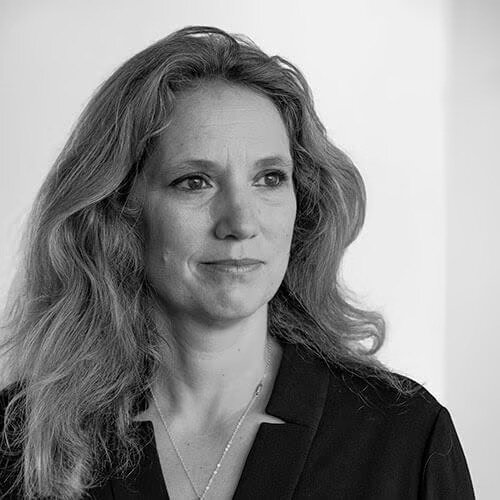
DIRECTOR OF CAMBRIDGE ZERO
PROFESSOR EMILY SHUCKBURGH
Professor Emily Shuckburgh is a scientist and mathematician who is Director of Cambridge Zero. She is also Professor of Environmental Data Science at the Department of Computer Science and Technology. Other positions include being a Fellow of the Cambridge Institute for Sustainability Leadership and a Fellow of the British Antarctic Survey. She leads the UKRI Centre for Doctoral Training on the Application of AI to the study of Environmental Risks. A polar expert, she previously led a UK national research programme on the Southern Ocean and its role in climate. In 2016 she was awarded an OBE for services to science and the public communication of science. She is co-author with HM The King and Tony Juniper of the Ladybird Book on Climate Change.
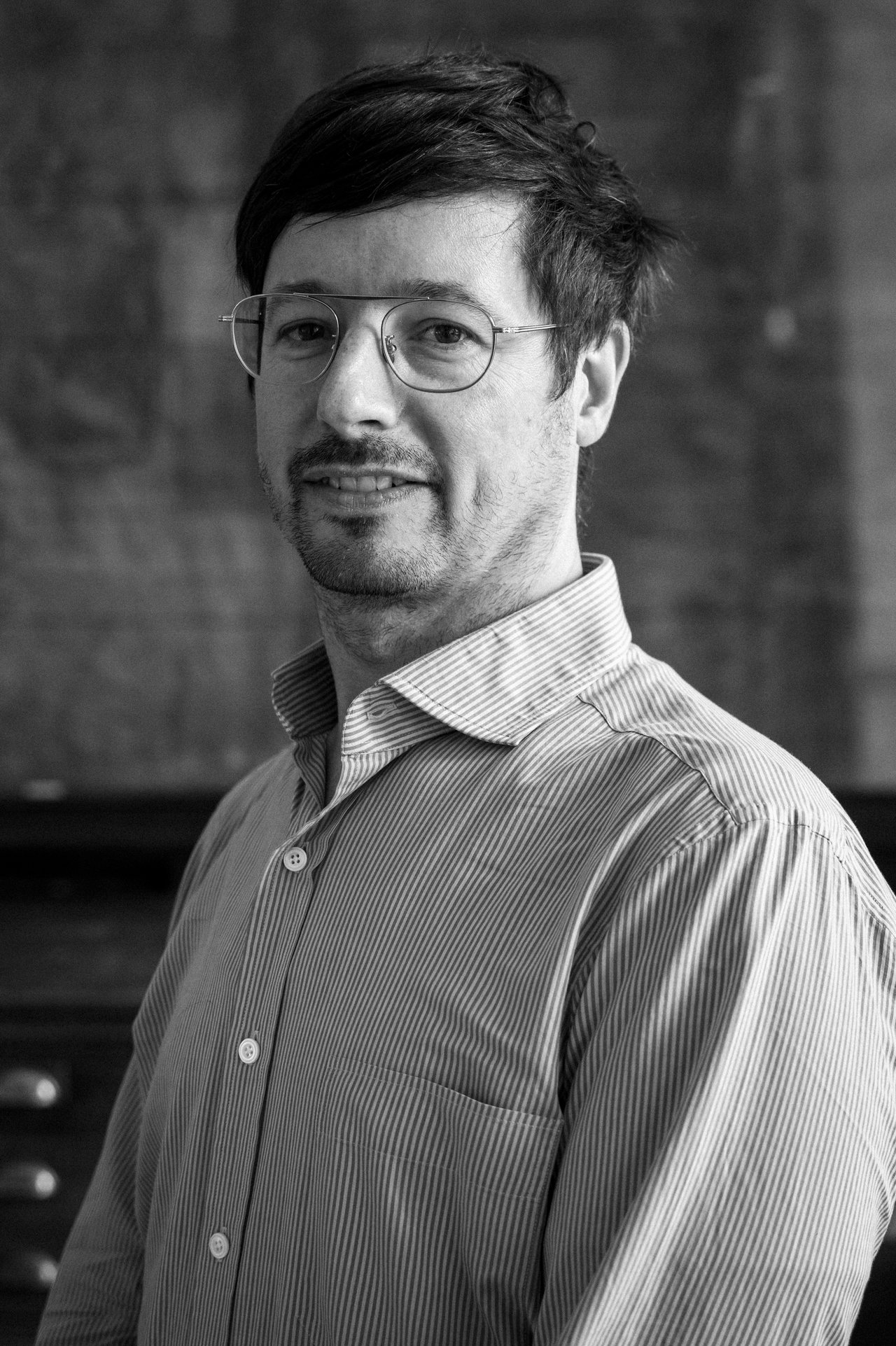
GUARDIAN US LIVE NEWS EDITOR, EDITOR OF SEASCAPE: THE STATE OF OUR OCEANS
CHRIS MICHAEL
Chris Michael is the Guardian’s US Editor for the UK time zone. Previously he was the Ocean Editor, leading the Guardian Seascape project, and has overseen in-depth investigative series on the Arctic for Guardian US. Before the Guardian he worked for the International New York Times in Japan. He is a fellow of the Royal Canadian Geographical Society, was nominated for the 2020 Orwell prize and in 2021 won the Emmy award for best crime and justice reporting.
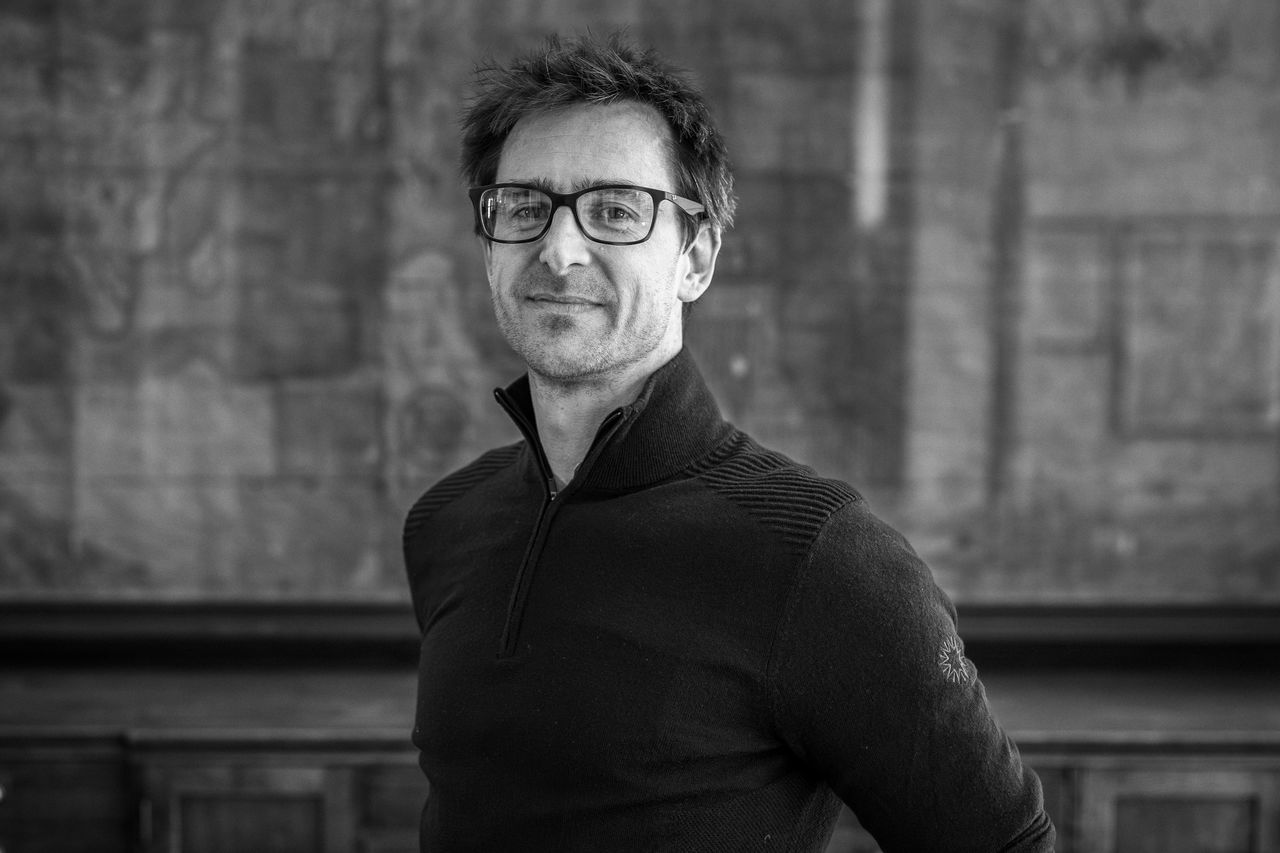
SUNDAY TIMES BESTSELLING AUTHOR AND PROFESSOR IN SCIENCE COMMUNICATION
PROFESSOR LEWIS DARTNELL
Professor Lewis Dartnell is a research scientist, presenter and author based in London, UK. He graduated from Oxford University with a First Class degree in Biological Sciences and completed his PhD at University College London. He is now Professor in Science Communication at the University of Westminster. His research is in the field of astrobiology and the search for microbial life on Mars. He has won several awards for his science writing and outreach work and regularly contributes to newspapers and magazines. He has also written five books, of which 'The Knowledge' was an international bestseller, and 'ORIGINS: How the Earth Made Us' was a Sunday Times top history book of 2019. His latest book, 'Being Human' was published in June 2023 and was a Waterstone's Book of the Year. He is also the scientific adviser on 'The Book: the ultimate guide to rebuilding a civilization'.
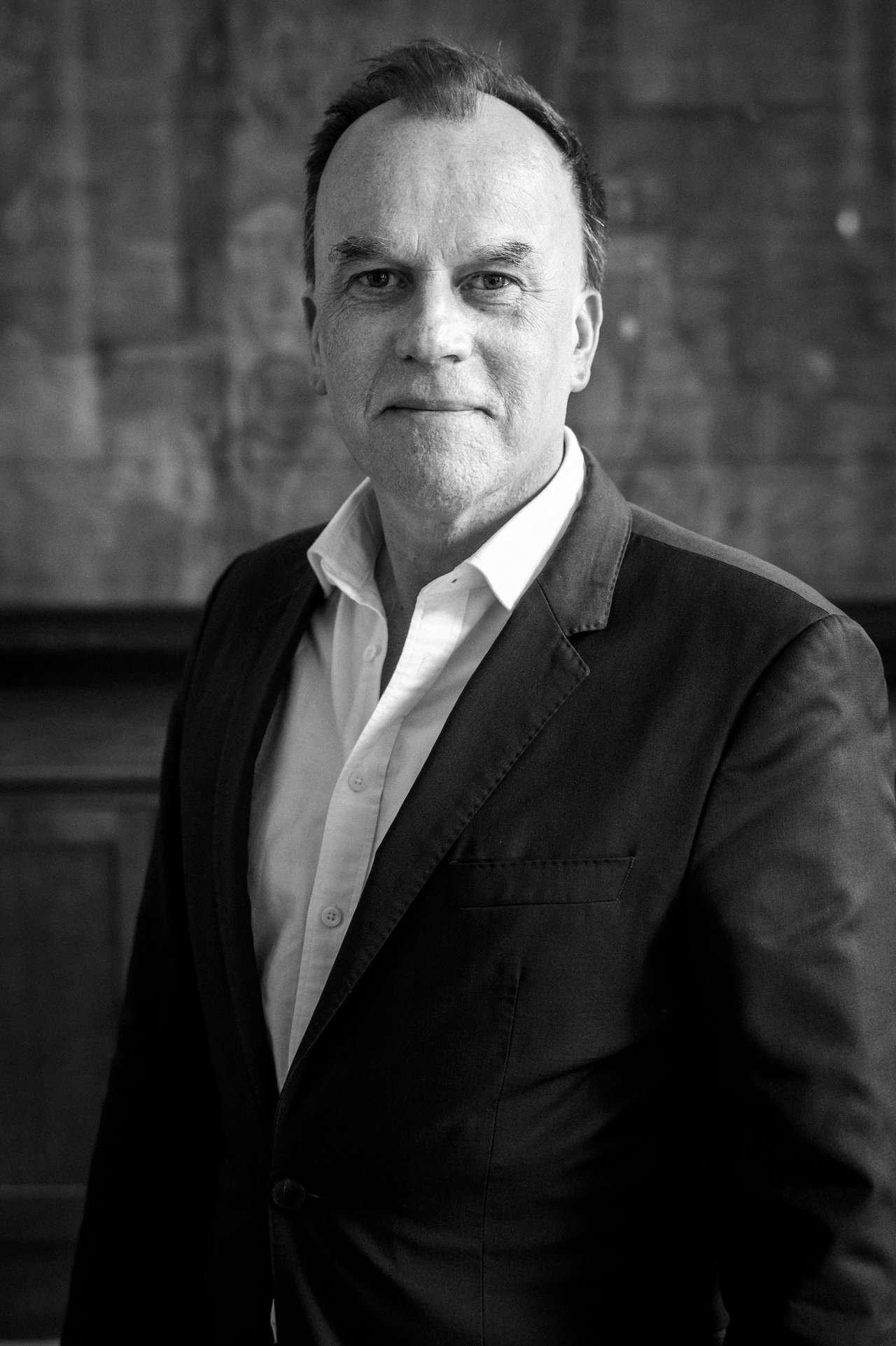
VICE PRESIDENT AND DEPUTY VICE-CHANCELLOR (CORNWALL) OF THE UNIVERSITY OF EXETER
PROFESSOR MARTIN SIEGERT
Leading glaciologist Professor Martin Siegert FRSE has been Vice President and Deputy Vice-Chancellor (Cornwall) of the University of Exeter since November 2022. Prior to this he was Co-Director of the prestigious Grantham Institute – Climate Change and the Environment; he is still a visiting professor at Imperial. He has also been Head of the School of GeoSciences at Edinburgh University, where he now holds an Honorary Professorship. He has undertaken three Antarctic field seasons, using geophysics to measure the subglacial landscape and understand what it tells us about past changes in Antarctica and elsewhere. In 2013 he was awarded the Martha T Muse Prize for excellence in Antarctic science and policy, and in 2007 he was elected as a Fellow of the Royal Society of Edinburgh. He has written/edited eight books.
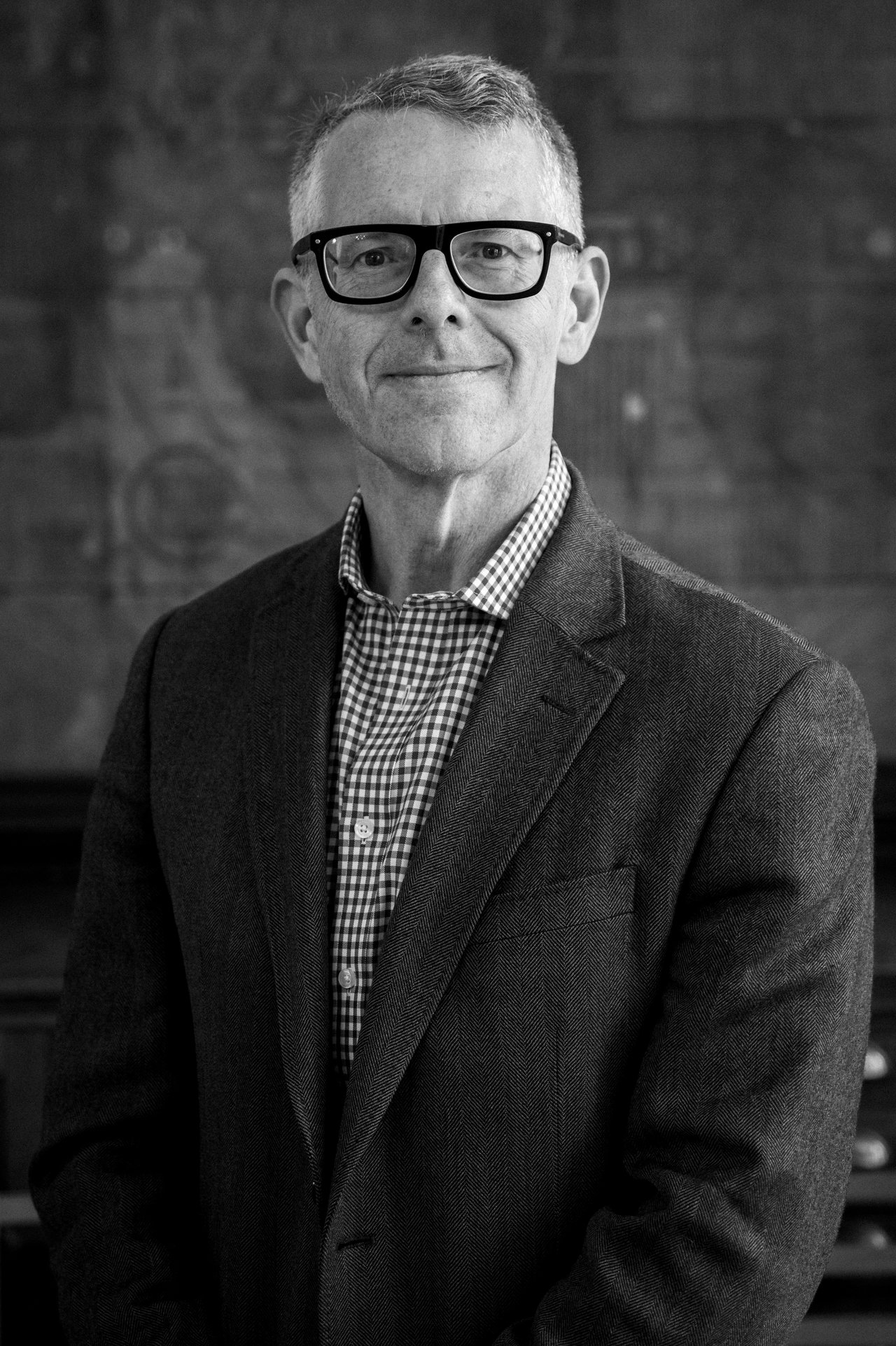
INTERIM DEAN FOR THE FACULTY OF SCIENCE AND TECHNOLOGY AT MIDDLESEX UNIVERSITY LONDON
PROFESSOR KLAUS DODDS
Klaus Dodds is Interim Dean for the Faculty of Science and Technology at Middlesex University London. Prior to this he was Executive Dean for the School of Life Sciences and Environment at Royal Holloway University of London and a Fellow of the Academy of Social Sciences. He was also a visiting professor at the College of Europe in Warsaw and a trustee of the Royal Geographical Society. His many publications include 'Ice: Nature and Culture', 'The Arctic: What Everyone Needs to Know', and 'The Antarctic: A Very Short Introduction'. His most recent published books are the acclaimed 'Border Wars: The Conflicts of Tomorrow' and 'Unfrozen: The Battle for the Future of the Arctic' – co-written with Mia Bennett. which was published last year. He has visited the Arctic and Antarctica numerous times and is an Hon Fellow of the British Antarctic Survey.
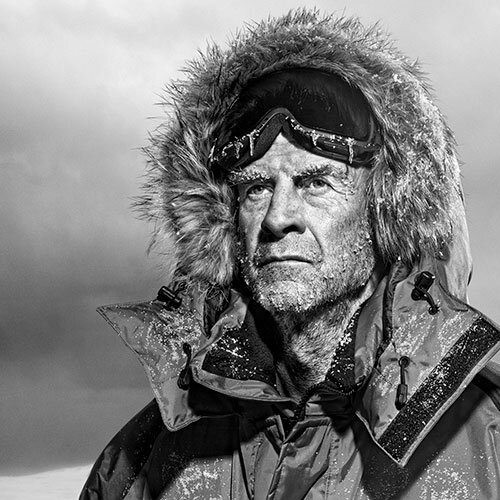
RECORD-BREAKING EXPLORER
AND AUTHOR
SIR RANULPH FIENNES
Sir Ranulph Fiennes was described in 1984 as the “World’s Greatest Explorer”. His most recent book is Lawrence of Arabia. He has also written an acclaimed biography of Shackleton. His expeditions include: Transglobe (the world’s first surface journey around the world’s polar axis) 1979-82; the North Polar Unsupported Expedition (the furthest north unsupported record) 1986; and the Anglo-Soviet North Pole Expedition 1990/9. Fiennes was also the leader of the Pentland South Pole expedition 1992/93 (the first unsupported crossing of the Antarctic Continent and the longest unsupported polar journey in history). In 2004 he came second in the International North Pole Marathon and, in 2005, he raised £2m through his ascent to within 300 metres of the Everest summit ridge for the British Heart Foundation’s new research MRI scanner. Sir Ranulph Fiennes was awarded an OBE in 1993 for “human endeavour and charitable services”.
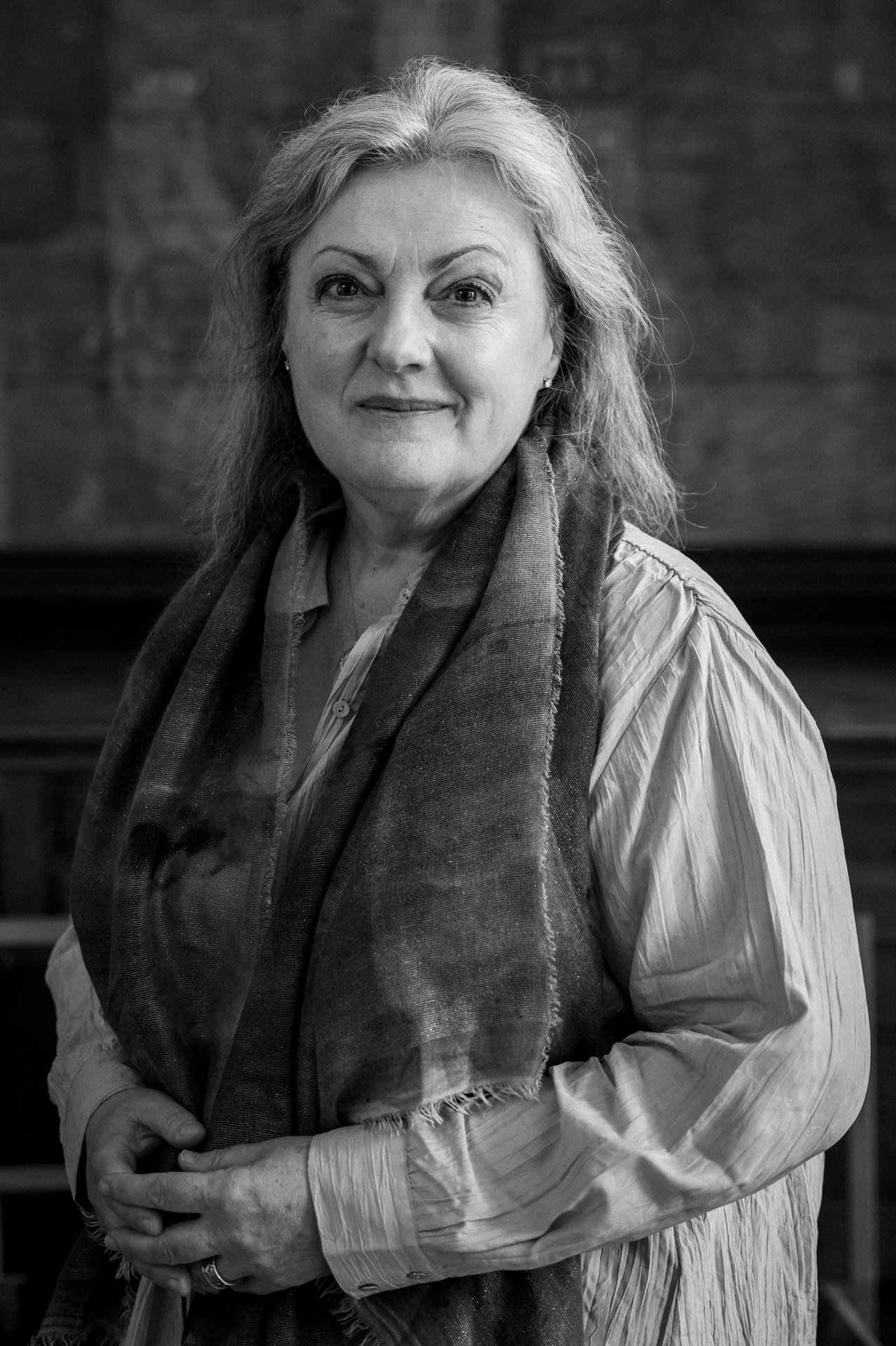
WILDLIFE AND TRAVEL PHOTOGRAPHER
SUE FLOOD
Sue Flood OBE is an award-winning photographer and filmmaker, zoologist, adventure travel leader and public speaker. Her work takes her all over the world but she has a special passion for the wildlife and icy beauty of the Polar regions and is one of the very few women professional photographers who returns again and again to Earth’s harshest and most demanding environments. Her first visit to the Poles happened during her 11 years in the BBC’s prestigious Natural History Unit, working on such global hits as The Blue Planet and Planet Earth, with Sir David Attenborough; on National Geographic and Discovery Channel co-productions and on the Disneynature movie Earth. Since then, Sue’s travels as a photographer have taken her to hundreds of destinations on all seven continents and her experiences have ranged from living with reindeer herders in Siberia to swimming with humpback whales in the South Pacific.
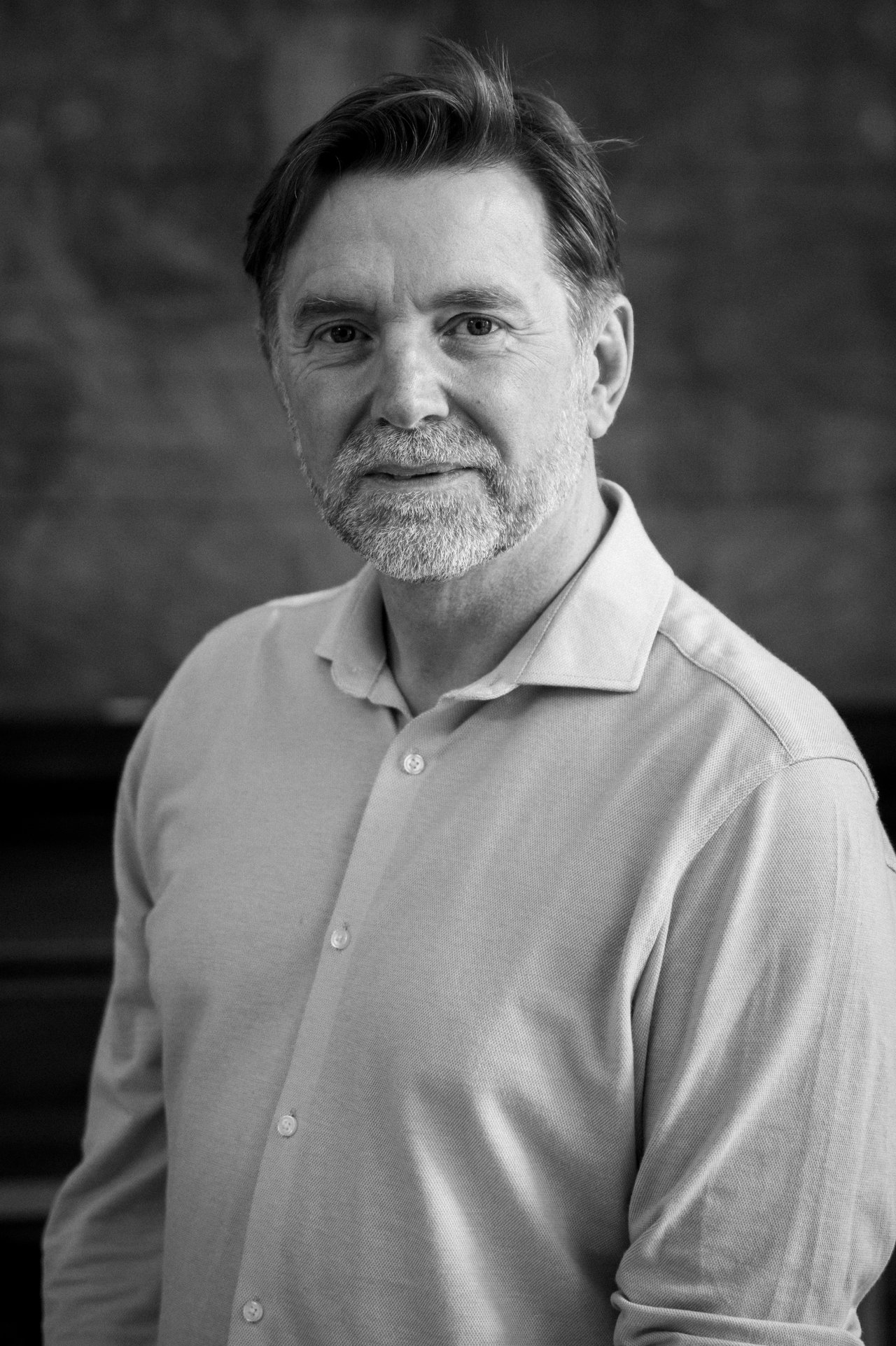
PHOTOGRAPHER, FILMMAKER AND PICTURE EDITOR
IAN DAWSON
Ian Dawson is a photographer whose work is guided by a lifelong fascination with the planet’s most remote and fragile environments. A fine art graduate, he has built an international career as a photojournalist, picture editor, and filmmaker, producing work for The Sunday Times, BBC, The Wall Street Journal, Vogue, and many other leading publications. His assignments have ranged widely - from conflict zones and royal tours to wildlife and environmental reportage. An award-winning press photographer represented by Getty Images, Ian now focuses on the polar regions, where he documents people, wildlife, and landscapes at the frontlines of environmental change. Ian is a member of the Guild of Picture Editors, The Alpine Club, and The Explorers Club. In 2025, he was made a Fellow of the Royal Geographical Society in recognition of his contributions to visual storytelling and geographic knowledge.
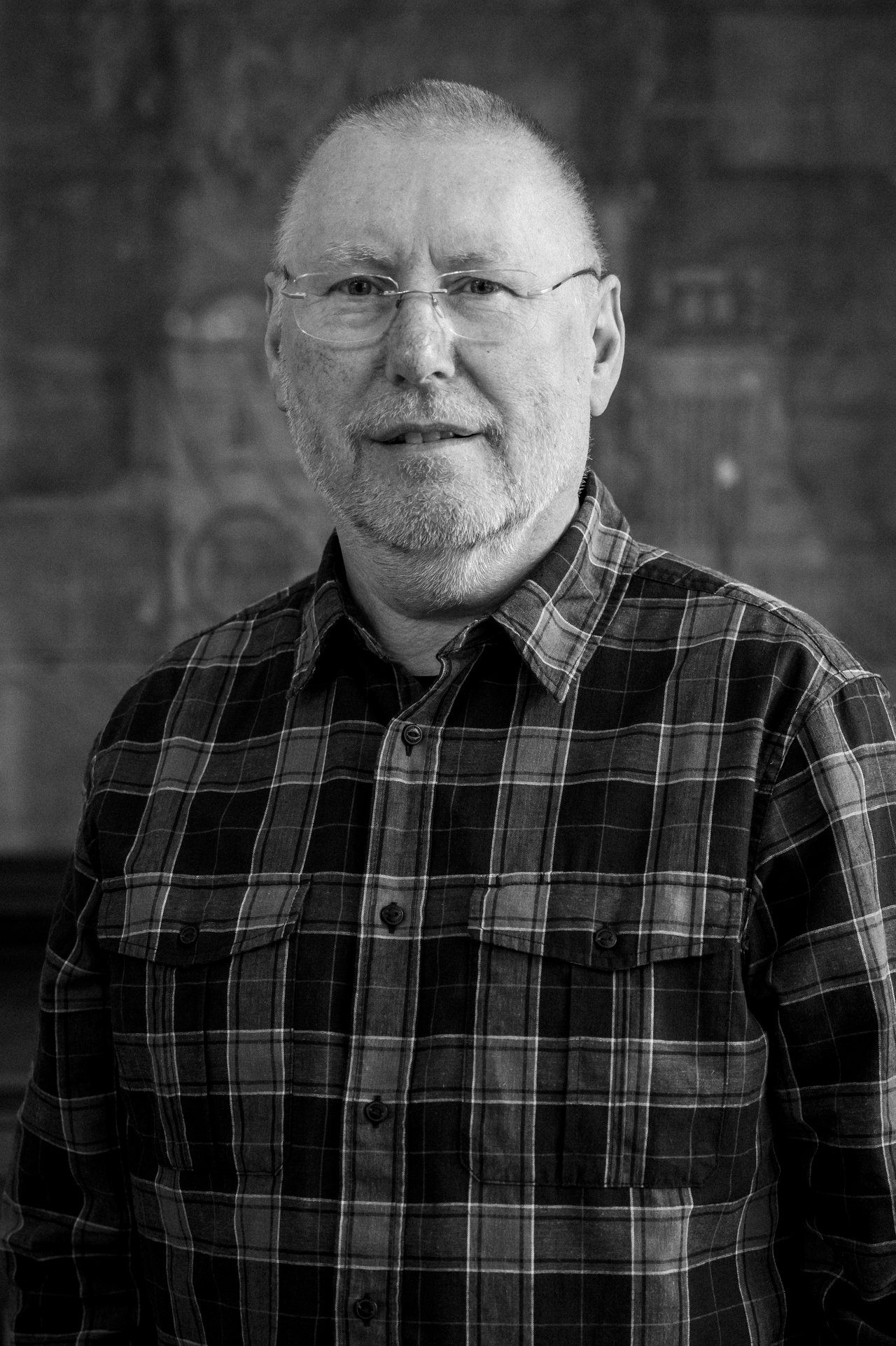
DIRECTOR OF THE FRAM MUSEUM IN OSLO
GEIR O KLØVER
Geir O Kløver is the director of the Fram Museum in Oslo, where visitor numbers have risen from 218,000 when he started in 2005 to more than 410,000 in 2024. Last year he oversaw the installation at the Fram of the 4D North Pole Flight Simulator in connection with the 100th anniversary of Amundsen’s polar flight in the twin-engined N25. He is also author, co-author and editor of a number of books on polar expeditions, including Lessons from the Arctic: How Roald Amundsen Won the Race to the South Pole. A contributor to several travelling exhibitions on polar history, he has given lectures on most continents – including the Arctic and Antarctic.
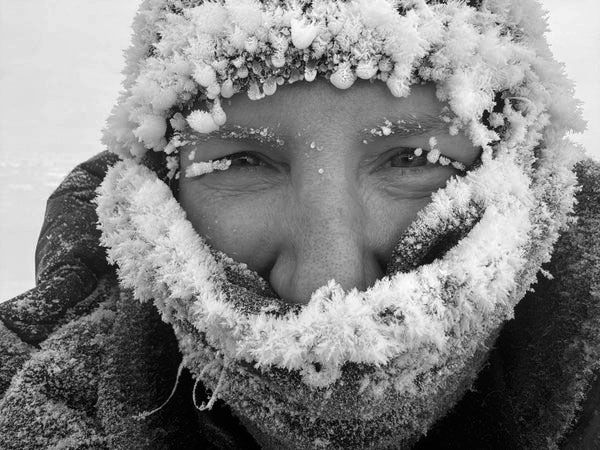
BRITISH POLAR EXPLORER
FELICITY ASTON
Felicity Aston MBE is an explorer, author, speaker, and student research scientist. She became the first woman to ski solo across Antarctica in 2012, making it into the Guinness Book of World Records for her 59-day journey covering 1744km. She travelled to Antarctica for the first time when she was 23, working with the British Antarctic Survey as a Meteorologist. The numerous expeditions she has led include B.I.G. (Before It’s Gone), a four-year pan Arctic project collecting scientific information about Arctic sea ice. She has been a finalist for the Shackleton Medal for the Protection of the Polar Regions on two occasions.
THE FELLOWSHIP
SHACKLETON MEDAL WINNER 2025.
CORMAC CULLINAN
ENVIRONMENTAL LAWYER AND RIGHTS OF NATURE ADVOCATE.
In a closely fought race, Cormac Cullinan has emerged as the winner of this year's Shackleton Medal for the Protection of the Polar Regions. Cullinan won because of his radical plan to protect the Southern Ocean and Antarctica through a new Antarctic Rights Initiative. A South African lawyer who cut his teeth on anti-apartheid legislation, Cullinan became a major figure in environmental law when he wrote Wild Law: A Manifesto for Earth Justice. This argued for the first time that natural phenomena – such as rivers, or forests – should be given legal "personhood" so they could be defended in court cases.
The work won him global recognition and now his Wild Law firm is taking the concept to a whole new level, spearheading a movement which argues that the entire continent of Antarctica and the surrounding Southern Ocean should be given rights as a distinct legal entity. “Nobody’s making decisions about Antarctica based, really, on what’s best for Antarctica,” he said. “If we could get its [legal] status to at least that of a country, then it could be represented at the UN or in court."
Cullinan is the fourth winner of the Shackleton Medal for the Protection of the Polar Regions, which was set up in 2022 to perpetuate Shackleton's legacy of courage, leadership and determination against the odds at the poles.
Read the full interview
SHACKLETON MEDAL WINNER 2024.
VALÉRIE COURTOIS

EXECUTIVE DIRECTOR INDIGENOUS LEADERSHIP INITIATIVE.
Valérie Courtois, winner of the 2024 Shackleton Medal for the Protection of the Polar Regions, is at the forefront of a powerful movement that has revolutionised environmental conservation in Canada and is seizing the attention of world leaders. Her vision to connect Indigenous Guardians as the “eyes and ears on the ground” to preserve ecosystems has won Prime Minister Justin Trudeau’s backing and seen her nominated as one of Time Magazine’s 100 most Influential Climate Leaders.
Read the full interview
SHACKLETON MEDAL WINNER 2023.
PEN HADOW
EXPLORER & CONSERVATIONIST.
Whittling down from the significant longlist of nominees for the 2023 Shackleton Medal for the Protection of the Polar Regions was a challenging but inspirational task for the judging panel.
We were proud to announce that record-breaking explorer and conservationist, Pen Hadow, was awarded the Shackleton Medal for the Protection of the Polar Regions. The award recognises Hadow's decades-long commitment to protect the central Arctic Ocean and his latest initiative to establish a Marine Protected Area in the region.
“I was stunned to receive such a special award which came at a critical moment in the roll-out of our conservation mission for the Arctic Ocean. It gave our work extra currency and topicality - and attracted a considerable and touching response from within the polar community.” - Pen Hadow
Read the full interview
SHACKLETON MEDAL WINNER 2022.
DR. HEÏDI SEVESTRE - 05.04.22.
SCIENTIFIC RESEARCHER,EXPEDITION LEADER AND CLIMATE ACTIVIST.
The winner of the inaugural Shackleton Medal for the Protection of the Polar Regions was Dr. Heïdi Sevestre, the pioneering climate activist, expedition leader, scientific researcher, documentary maker and lobbyist.
Amongst an exceptionally strong list of nominees, Dr. Sevestre stood out for the extraordinary courage she has demonstrated working in the field and her drive and determination to communicate her message.
You can see Heidi in action in the new National Geographic docuseries, Arctic Ascent, which follows renowned climber Alex Honnold and his team as they venture into Greenland's remote and icy wilderness.
Read the full interview
